What Is the Typical Timeline for Asphalt Shingle Roof Replacement?
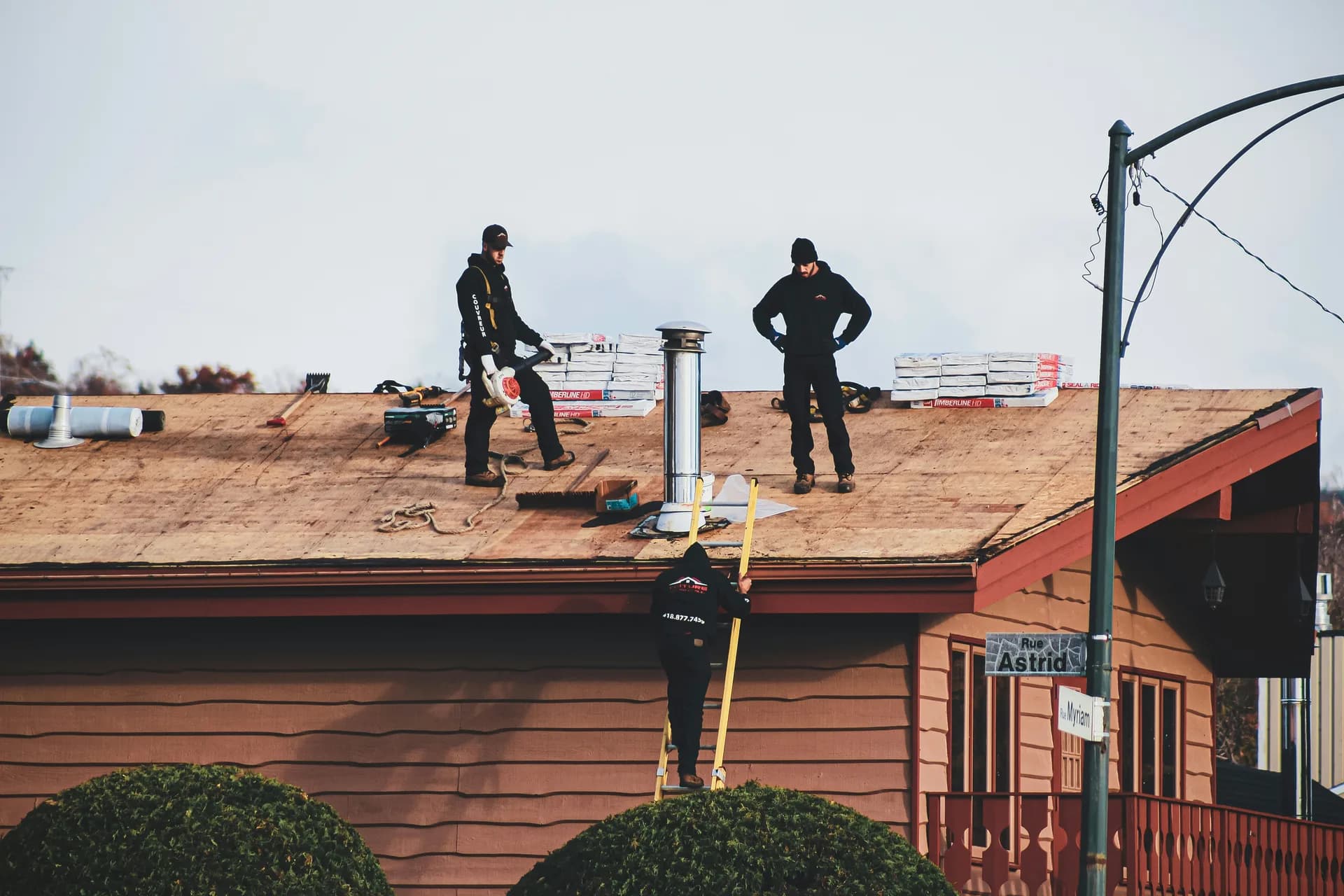
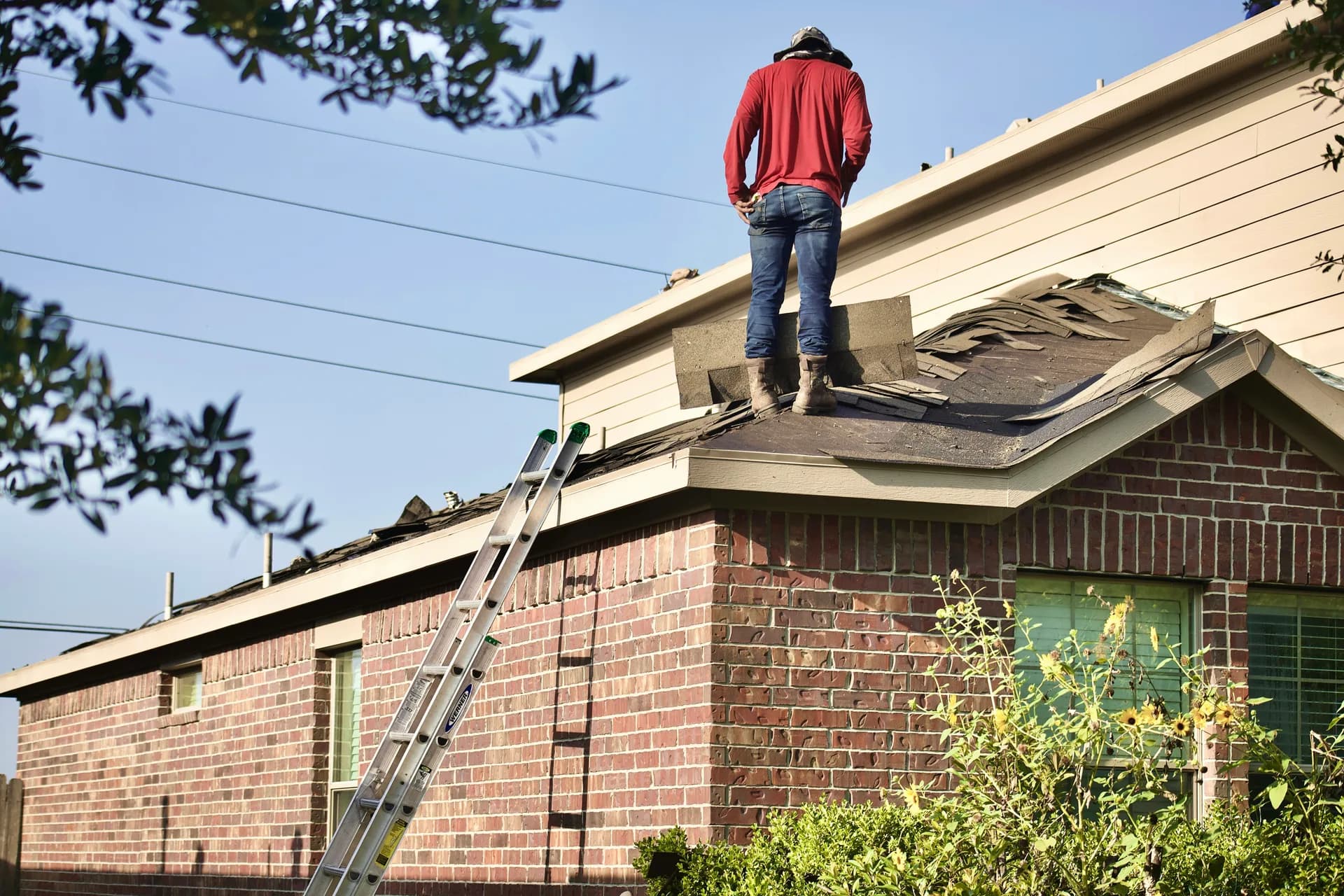
A standard asphalt shingle roof replacement on a single-story home between 1,500 and 2,500 square feet takes 1–2 days from tear-off to final cleanup. Two-story homes or roofs with moderate complexity add another day. The timeline assumes good weather, a full crew of 4–6 workers, and no structural repairs discovered during tear-off.
Most contractors complete tear-off in 4–6 hours, underlayment and decking inspection in 2–3 hours, and shingle installation in 6–8 hours for a straightforward roof. Cleanup and final walk-through add another 1–2 hours. Projects that reveal rotted decking, damaged trusses, or inadequate ventilation during tear-off extend the timeline by 1–3 days depending on the scope of repair.
Weather is the dominant variable. Rain, high winds above 20 mph, or temperatures below 40°F halt installation. Summer storms in hail-prone regions like Texas, Oklahoma, and Kansas frequently delay projects by 1–2 days mid-installation.
How Do Roof Size and Pitch Affect Replacement Duration?
Roof size directly controls labor hours. A 1,000 square foot roof takes roughly half the time of a 2,000 square foot roof with the same pitch and complexity. Pitch matters more than most homeowners expect—roofs with pitches steeper than 6:12 require additional safety equipment, slower shingle placement, and more careful material handling.
Steep-slope roofs between 8:12 and 12:12 pitch can double installation time compared to low-slope roofs under 4:12. Contractors working on steep roofs use harnesses, roof jacks, and scaffolding, which slows progress but ensures worker safety and code compliance. A 2,500 square foot roof at 9:12 pitch may take 3–4 days where the same square footage at 4:12 pitch finishes in 2 days.
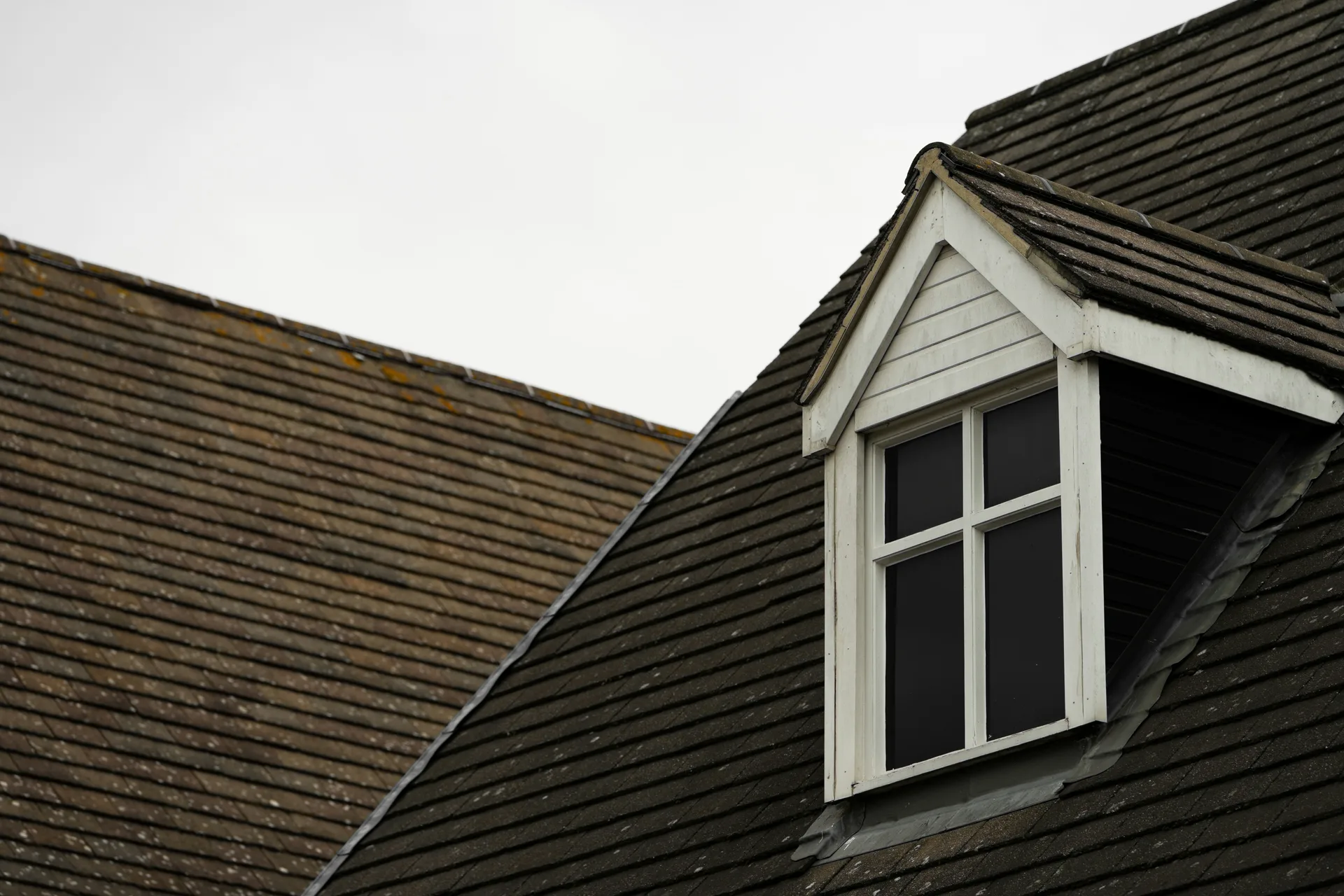
Multi-plane roofs with valleys, dormers, hips, and multiple roof lines add time. Each valley requires careful flashing. Each dormer intersection demands precision cutting and sealing. A simple gable roof installs faster than a complex hip roof with the same square footage.
Do Metal and Tile Roofs Take Longer to Install Than Shingles?
Metal roof installation takes 2–5 days longer than asphalt shingles on comparable homes because each panel requires precise alignment, fastening, and seam sealing. Standing seam metal roofs demand the most time—panels must interlock correctly, seams must be mechanically seamed with specialized equipment, and flashing details around penetrations require custom fabrication.
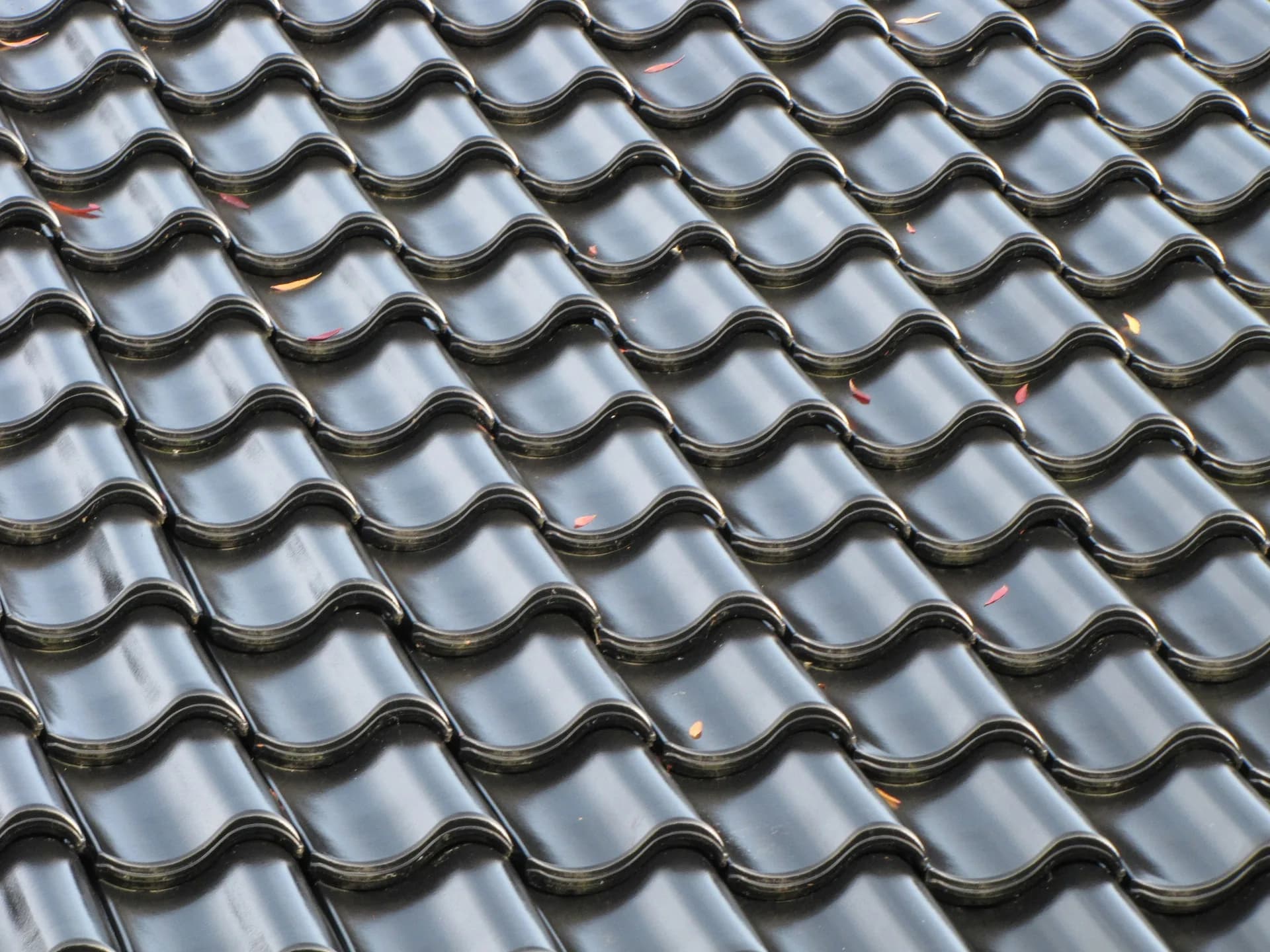
Concrete and clay tile roofs take even longer. A tile roof on a 2,000 square foot home typically requires 5–7 days because each tile is individually placed, battens must be installed for proper airflow, and the weight of tile often requires additional structural support verification before installation begins. Tile is common in hurricane-prone coastal regions where wind uplift resistance justifies the longer installation timeline.
Metal and tile both offer superior storm resistance compared to asphalt shingles. Metal handles hail impact better in regions with frequent severe weather, and tile performs well in high-wind coastal zones. The added installation time trades off against longer lifespan and better performance in extreme conditions.
What Delays Should You Expect During a Roof Replacement Project?
Weather delays are the most common disruption. Contractors cannot install shingles during rain, and most will not work if rain is forecast within 24 hours of exposing the roof deck. High winds, lightning risk, and ice all halt work immediately. In storm-active states like Florida, Texas, and Louisiana, expect 1–3 weather delays per project during summer months.
Permit delays add time before work begins. Most municipalities require permits for full roof replacements, and approval timelines range from same-day in smaller counties to 5–10 business days in larger cities. Contractors usually handle permit applications, but homeowners should confirm permit status before the scheduled start date to avoid last-minute delays.
Material delays occur when specific shingle colors, metal panel profiles, or tile styles are backordered. Post-storm demand surges—common after hurricanes, hailstorms, and derechos—can push material lead times to 3–6 weeks in affected regions. Contractors with supplier relationships and pre-purchased inventory minimize this risk, but custom colors and specialty materials always carry longer lead times.
How Does Storm Damage Affect Roof Replacement Scheduling?
Storm damage creates scheduling bottlenecks because contractor availability drops sharply after major hail or wind events. A severe hailstorm affecting multiple counties can book local contractors out 4–8 weeks as hundreds of homeowners file claims and schedule replacements simultaneously. Homeowners who act quickly after confirmed damage secure earlier slots.
Insurance claim timelines control project start dates for most storm damage replacements. The adjuster inspection, claim approval, and fund disbursement process typically takes 2–4 weeks from initial claim filing. Contractors cannot begin work until the claim is approved and the homeowner receives an initial payment or agrees to cover costs upfront pending reimbursement.
Emergency tarping happens promptly after storm damage to prevent interior water damage while the claim and contractor scheduling process unfolds. Tarping is temporary—full replacement follows once the claim closes and the contractor's schedule opens. Homeowners in high-storm-frequency areas should document damage immediately with photos and file claims within days of the event to avoid seasonal backlogs.
What Can Homeowners Do to Keep the Project on Schedule?
Clear communication with your contractor about start dates, weather contingencies, and material delivery prevents most timeline surprises. Ask for a written project schedule that includes tear-off day, expected completion date, and contingency plans for weather delays. Contractors who provide detailed schedules upfront are easier to hold accountable if delays occur.
Prepare your property before the crew arrives. Move vehicles out of the driveway, clear items from the garage if the roof overhead is being replaced, cover attic belongings with tarps to protect from dust, and trim tree branches within 6 feet of the roof line. Contractors work faster when site access is clear and safety hazards are minimized.
Be available for decisions during the project. If rotted decking is discovered during tear-off, the contractor needs approval to proceed with repairs before shingle installation can continue. Homeowners who delay decking repair decisions by 24 hours add a full day to the project. Make yourself reachable by phone during the work window and authorize a spending threshold for minor repairs in advance to avoid decision bottlenecks.