What Determines Hail Damage Repair Costs?
Roof size drives the base cost — a 1,500 square foot roof costs less than a 3,000 square foot roof regardless of damage type. Material choice follows: asphalt shingle replacement runs $350–$550 per square (100 square feet), while impact-resistant shingles designed for hail-prone areas cost $450–$700 per square. Roof pitch matters because steeper roofs require more safety equipment and labor time, adding 10–25% to total project cost.
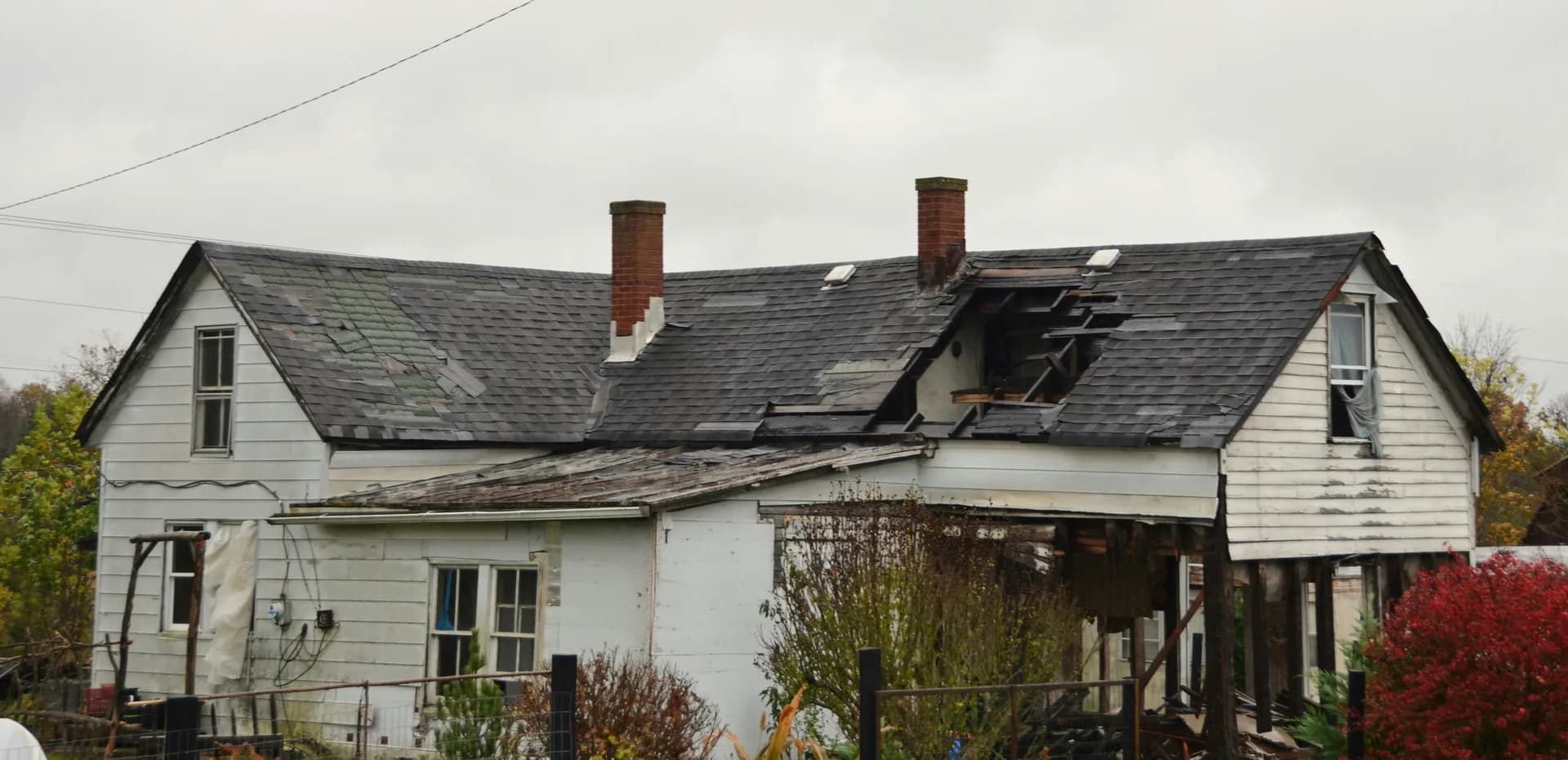
Damage severity determines whether you can patch or must replace. Isolated damage to 10–20 shingles costs $500–$1,200 for spot repair, but hail rarely hits one area — storms blanket entire roof planes. If an adjuster finds bruising across multiple slopes or granule loss affecting more than 30% of shingles, insurance typically authorizes full replacement because compromised shingles fail early.
Contractor availability and regional labor rates affect timing and price. In high-demand periods after widespread hail events, labor costs can spike 15–30% as contractors book out weeks in advance. Urban markets with higher costs of living see higher per-square pricing than rural areas, even for identical materials and scope.
How Much Does Full Roof Replacement Cost After Hail Damage?
A standard asphalt shingle replacement on a 2,000 square foot roof costs $8,000–$14,000 including tear-off, disposal, underlayment, and installation. Impact-resistant Class 4 shingles on the same roof run $10,000–$18,000, but many insurers offer premium discounts of 10–35% for impact-rated materials, reducing long-term cost. Metal roofing for hail resistance starts at $15,000–$25,000 for the same square footage, with standing seam systems at the higher end.
Roof complexity adds cost. A simple gable roof with minimal penetrations costs less than a multi-valley hip roof with skylights, chimneys, and multiple planes. Each valley, penetration, and transition point requires flashing and detail work billed separately. Expect $200–$600 per chimney for reflashing and $150–$400 per skylight.
Estimates based on available industry data; individual project costs vary by roof size, pitch, material, and regional labor rates.
Can You Repair Hail Damage Without Full Replacement?
Spot repair works only when damage is confined to a small, discrete area — typically fewer than 20 shingles on a single slope. Contractors charge $500–$1,200 for isolated shingle replacement, depending on accessibility and whether matching shingles are available. If your roof is older than 10 years, matching shingle color and weathering is difficult because manufacturers discontinue lines and UV exposure changes appearance.
Hidden hail bruising is the bigger issue. Hail dents asphalt shingles without creating visible cracks, fracturing the mat beneath the granule layer. Those fractures don't leak immediately — they fail gradually over 1–3 years as thermal cycling and weather exposure widen the breaks. An adjuster trained to spot bruising will test shingles with thumb pressure, looking for soft spots that indicate compromised integrity across the roof.
If bruising is widespread, patch repair creates a patchwork of new and failing shingles. You'll pay for the repair now, then pay for full replacement within two seasons when the untouched areas fail. Insurance adjusters know this pattern and typically authorize replacement when bruising exceeds 8–10 hits per 100 square feet on multiple slopes.
What Does Insurance Cover for Hail Damage Repair?
Most homeowner policies cover hail as a peril under dwelling coverage, paying for repair or replacement minus your deductible. If your roof replacement costs $15,000 and your deductible is $2,500, insurance pays $12,500. Policies written on replacement cost value (RCV) pay the full cost to replace with equivalent materials; actual cash value (ACV) policies deduct depreciation based on roof age, paying less for older roofs.
You'll receive an initial payment for actual cash value, then a recoverable depreciation holdback once the work is complete and invoiced. This prevents homeowners from pocketing claim money without making repairs. Submit final invoices and photos to your carrier to release the holdback — typically 15–30% of the total claim.
Upgrades beyond like-for-like replacement come out of pocket unless specified in your policy. If your damaged roof had standard 3-tab shingles and you want architectural shingles or impact-resistant Class 4 materials, you pay the difference between what insurance covers and what the upgrade costs. Some carriers offer matching provisions requiring they replace the full roof even if hail only damaged two of four slopes, preventing mismatched appearance.
How Do You Choose a Contractor After Hail Damage?
Verify licensing at the municipal level and confirm active general liability and workers' compensation insurance before signing anything. Ask for certificate of insurance naming you as additional insured, and call the carrier to confirm coverage is current. Unlicensed contractors leave you liable for worksite injuries and code violations that surface later.
Get three written estimates that itemize materials, labor, scope, and timeline. Compare line by line — not just the total. A low bid that skips ice and water shield in valleys or uses bottom-tier shingles costs more when the roof fails early. Ask what manufacturer and product line they're quoting, then verify warranty terms directly with the manufacturer.
Avoid contractors who offer to waive your deductible or promise to negotiate your claim for you. Deductible waiver is insurance fraud in most states — contractors inflate the claim to cover the deductible, and carriers can deny the entire claim if they discover it. You negotiate your own claim or hire a public adjuster licensed in your state, not a roofer with a side hustle in claim maximization.
What Should You Do Immediately After Hail Damage?
Document the damage with photos from ground level and close-ups of any visible shingle loss, dents in metal flashing, or granules in gutters. Take photos before any contractor gets on the roof — you want a clean record of pre-existing conditions. Call your insurance carrier to open a claim, providing the date of the hail event and a preliminary damage description.
Schedule a professional roof inspection with a licensed contractor or a HAAG-certified inspector who can identify hidden bruising and document the full scope. Inspection reports with marked-up photos and hit counts per test square strengthen your claim and give the adjuster data to work with. Most reputable contractors offer free inspections post-storm, but verify they won't pressure you to sign a contract before you've reviewed your adjuster's report.
Don't authorize emergency tarping unless you have active leaks — tarping a roof that isn't leaking adds cost without benefit. If you do have leaks, document the interior damage separately and include it in your claim. Water damage to ceilings, insulation, or belongings may be covered under the same peril.