When Does Hail Damage Require Full Roof Replacement?
Hail damage requires full replacement when it affects more than 15% of the roof's surface area or compromises the weatherproofing integrity of the shingles. Insurance adjusters measure damage density across roof sections — if bruising, granule loss, or cracking appears on multiple shingles per 10-by-10-foot test square, replacement is the standard outcome. Isolated damage to a single slope or small area qualifies for repair if the rest of the roof shows no impact.
Adjusters distinguish between cosmetic and functional damage. Cosmetic bruising that doesn't expose the asphalt mat or compromise the seal typically doesn't trigger replacement. Functional damage includes shingle cracks, mat exposure, seal failure, or loss of granule coverage that accelerates weathering. A roof with widespread functional damage won't last its expected lifespan and qualifies for replacement under most policies.
Roof age affects the decision. A five-year-old roof with moderate hail damage usually gets repaired. A 15-year-old roof with the same damage density often gets replaced because repair won't restore adequate remaining service life. Adjusters apply depreciation to older roofs, but replacement remains the claim outcome when damage is widespread.
What Does Hail Damage Roof Replacement Cost?
Full asphalt shingle replacement after hail damage costs $8,500–$16,000 for most single-family homes with roof areas between 1,800 and 2,500 square feet. Steeper pitch increases labor cost by 20–40% because of safety equipment and slower work pace. Two-story homes cost more than single-story homes of the same square footage due to scaffolding and material handling.
Material choice affects total cost. Standard three-tab shingles run $3.50–$5.00 per square foot installed. Architectural shingles with impact resistance ratings cost $4.50–$6.50 per square foot. Metal roofing starts at $8.00 per square foot and offers superior hail resistance for areas with frequent storm activity. Most insurance policies cover the full replacement cost if you carry replacement cost coverage rather than actual cash value coverage.
Permit fees, disposal costs, and underlayment upgrades add $1,200–$2,500 to the base replacement cost. Many municipalities require synthetic underlayment and ice-and-water barrier on all replacements regardless of the original roof spec. Disposal fees vary by landfill access and material volume — a full tear-off on a 2,200-square-foot roof generates 3–5 tons of waste.
How Do You Verify Hail Damage Before Filing a Claim?
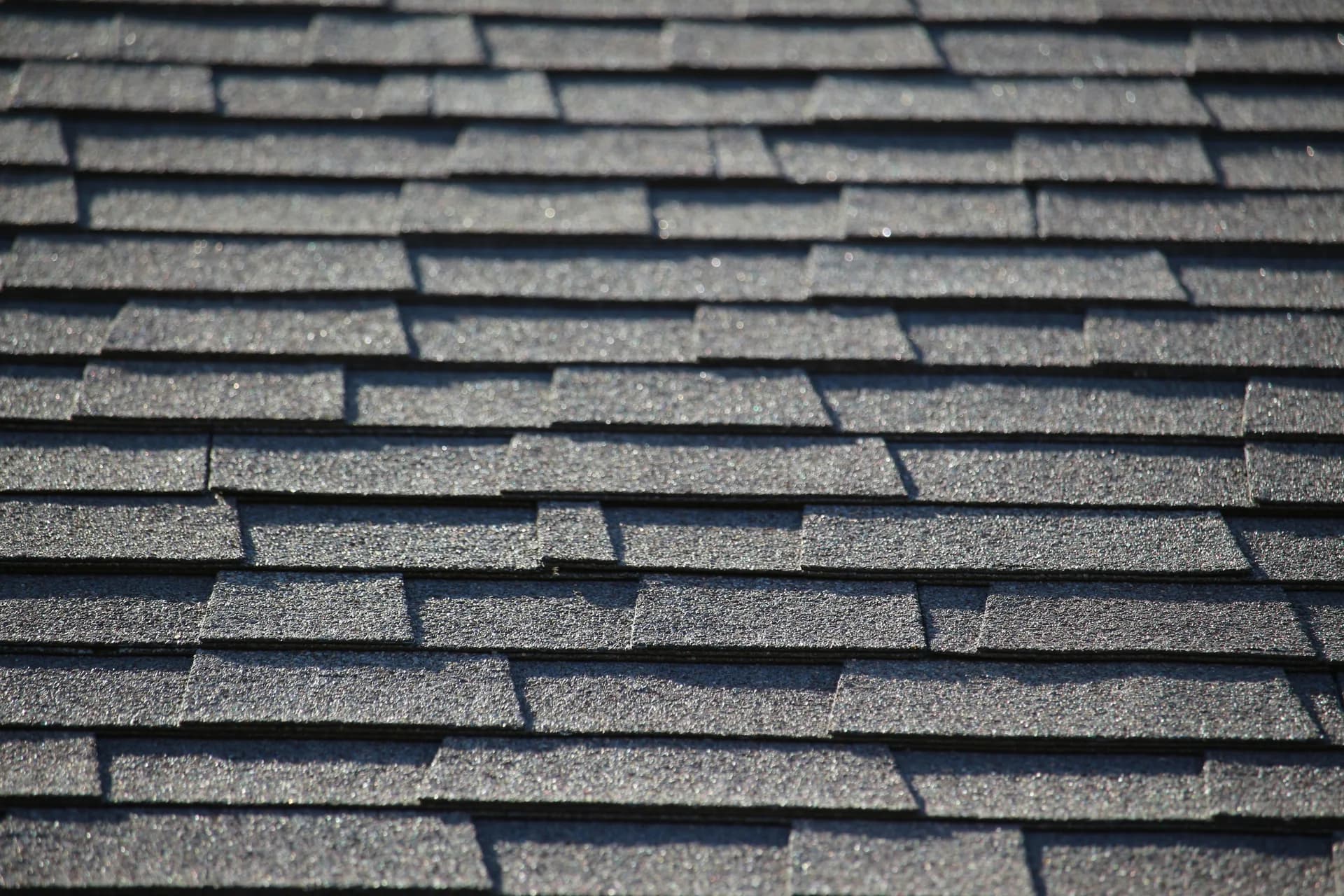
Verified hail damage shows as circular bruising on shingle surfaces, loss of protective granules exposing the black asphalt mat, or cracking around impact points. Check gutters and downspouts first — granule accumulation after a hailstorm indicates surface damage even if bruising isn't visible from the ground. Dented roof vents, flashing, or metal drip edge confirm hail size and impact force.
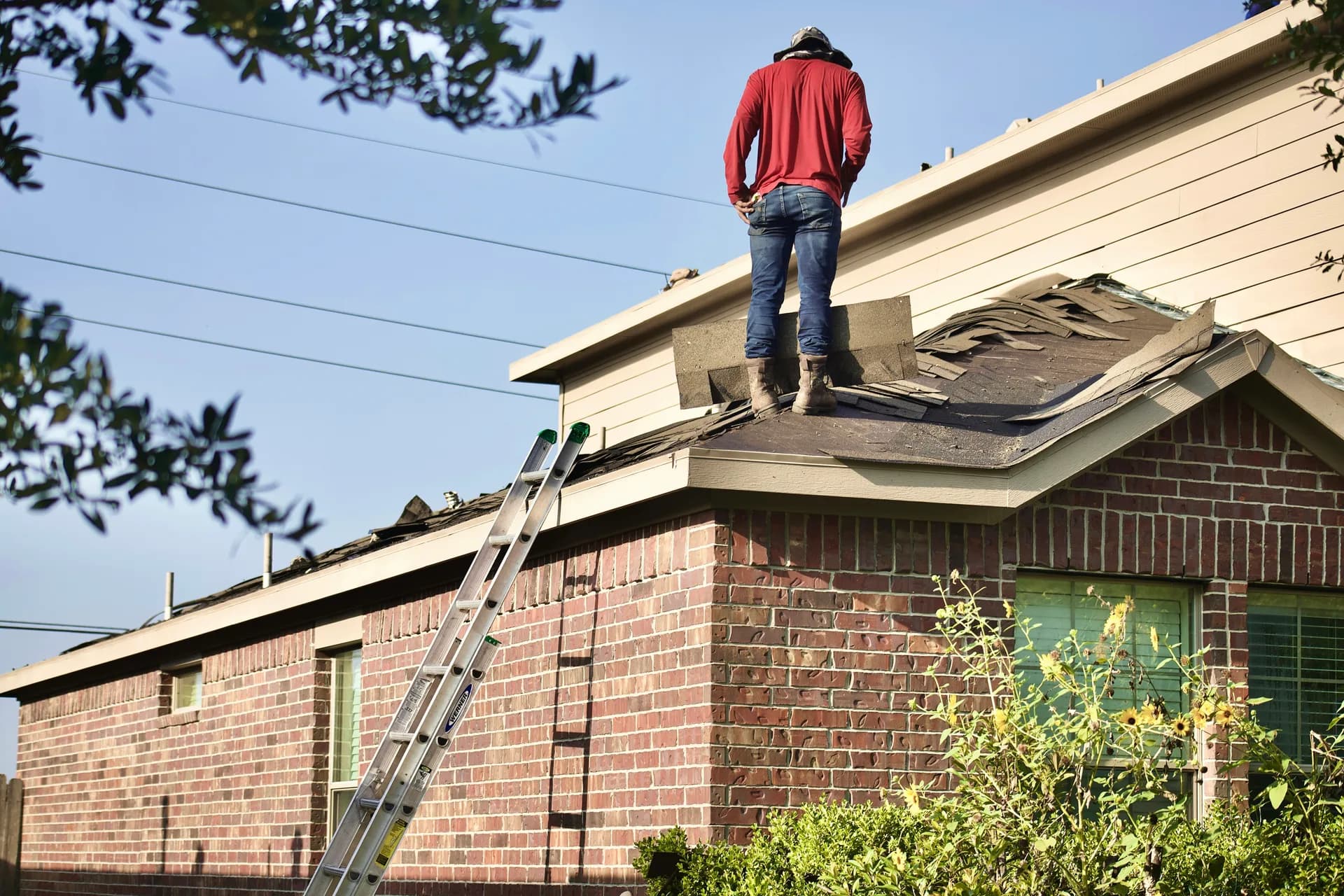
Hire a licensed roofing contractor or HAAG-certified inspector to document damage before filing a claim. Adjusters dismiss homeowner photos that don't show measurable damage density or clear functional compromise. Professional inspectors photograph damage with reference markers, measure bruise diameter, and map damage across all roof planes. Documentation quality determines claim approval speed.
Don't sign a contract with a contractor before the adjuster inspects. Some contractors offer free inspections and then pressure homeowners into assignment-of-benefits agreements that transfer claim control to the contractor. Insurance companies scrutinize these agreements and may delay payment or reduce settlement amounts when contractors manage the claim directly.
What Materials Handle Hail Impact Better Than Standard Shingles?
Impact-resistant shingles rated UL 2218 Class 4 withstand hail up to 2 inches in diameter without functional damage. These shingles use a reinforced asphalt mat or rubberized backing that absorbs impact energy. Class 4 shingles cost 10–15% more than standard architectural shingles but qualify for insurance discounts in most hail-prone states — typical premium reductions run 15–35% annually.
Metal roofing outperforms asphalt in hail resistance. Standing seam metal roofs dent under severe hail but rarely puncture or lose weatherproofing integrity. Stone-coated steel shingles combine metal durability with a residential appearance and carry Class 4 ratings as standard. Metal roofing costs twice as much as asphalt upfront but lasts 40–60 years compared to 20–30 for impact-resistant shingles.
Concrete and clay tiles offer excellent hail resistance but require structural evaluation before installation. Tile roofs weigh 800–1,200 pounds per square compared to 200–300 for asphalt. Most wood-framed homes built in the last 30 years can support tile with minor reinforcement, but older homes may need significant structural upgrades. Tile costs $10–$18 per square foot installed.
How Long Does Roof Replacement Take After Hail Damage Approval?
Roof replacement after insurance approval takes 3–8 weeks from contractor selection to project completion. The adjuster writes the estimate within 7–14 days of the initial inspection. Homeowners receive the first claim payment — typically covering actual cash value minus the deductible — once they sign a contract with a licensed contractor. The second payment, covering depreciation holdback, releases after the contractor completes the work and submits final invoices.
Material ordering adds 1–3 weeks depending on shingle availability and manufacturer lead times. Standard architectural shingles ship within days. Specialty colors, impact-resistant products, or metal roofing panels may require 2–4 weeks. Contractors schedule tear-off and installation once materials arrive on site. The actual replacement takes 2–5 days for most residential roofs under 3,000 square feet.
Weather delays extend timelines in spring and summer when afternoon storms interrupt work. Contractors can't install shingles in rain or high wind. Most crews start early and work until midday during storm season to maximize dry hours. Winter installations are possible in most climates but require temperature-appropriate adhesives and longer seal activation times.
What Should You Look for When Vetting Hail Damage Contractors?
Licensed contractors carry state or municipal contractor licenses, general liability insurance with minimum $1 million coverage, and workers' compensation insurance for all crew members. Verify license status through your state licensing board or local building department — don't rely on a laminated card or website claim. Request certificates of insurance directly from the contractor's insurance agent, not from the contractor.
Established local contractors provide references from projects completed in the last 12 months and maintain a physical business address in your region. Avoid contractors who operate only from a truck or use only a phone number and email. Check complaint history with your state attorney general's office and the Better Business Bureau. A few complaints aren't disqualifying, but patterns of unfinished work or payment disputes signal risk.
Get three written estimates that itemize material specs, labor, permits, disposal, and warranty terms. Estimates should match within 10–15% for comparable materials and scope. A bid 30% below others suggests the contractor plans to cut corners on underlayment, flashing, or ventilation. A bid 30% above others may include unnecessary upgrades or inflated profit margins. All estimates should reference the insurance adjuster's scope of work.