What Are the Most Obvious Signs Your Roof Is Failing?
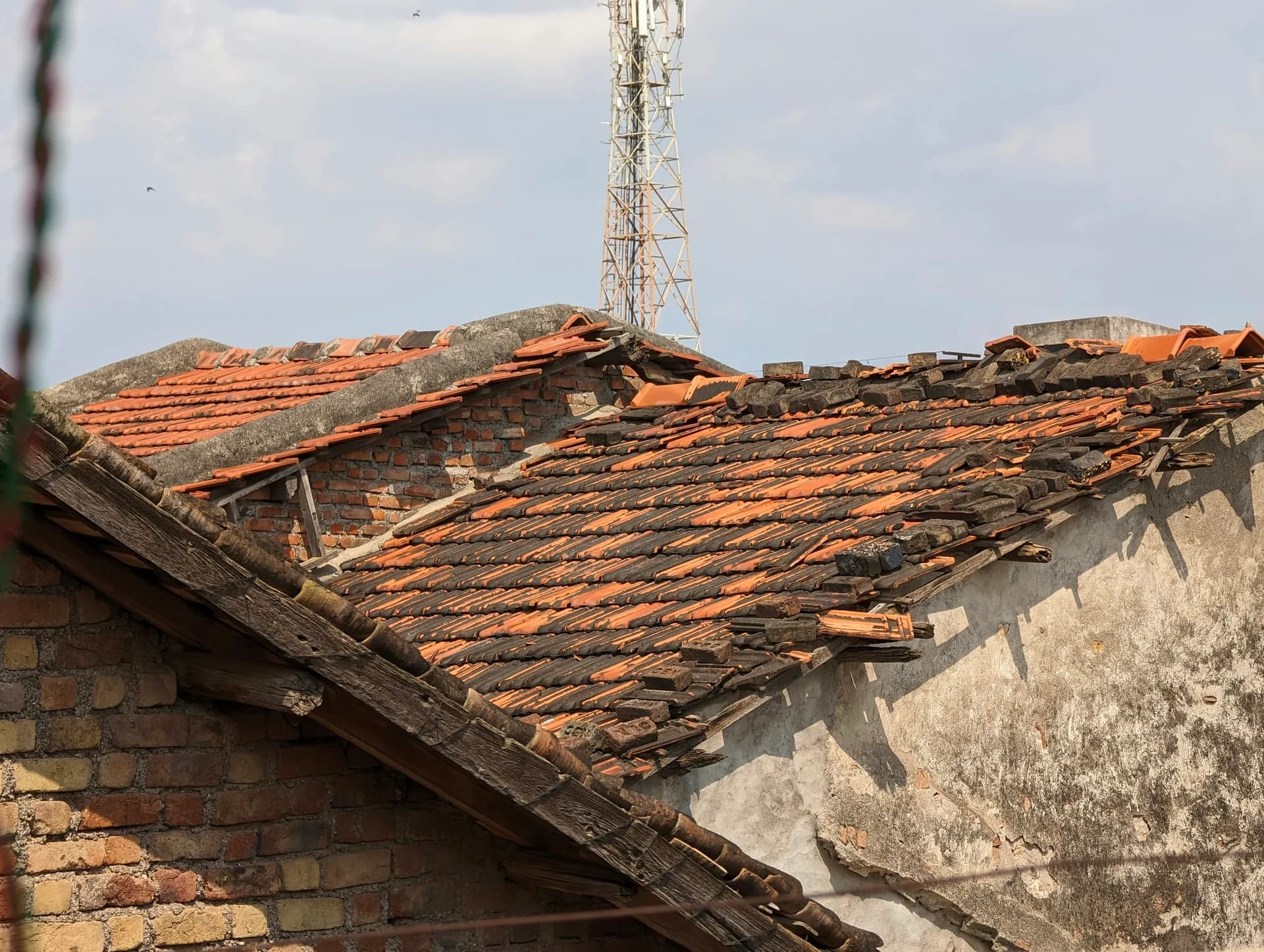
Missing shingles, visible daylight through roof boards, and water stains on interior ceilings are immediate failure signals. These indicate structural compromise that requires full replacement, not patching. Storm damage accelerates these failures, turning a roof with five years of life left into an emergency project.
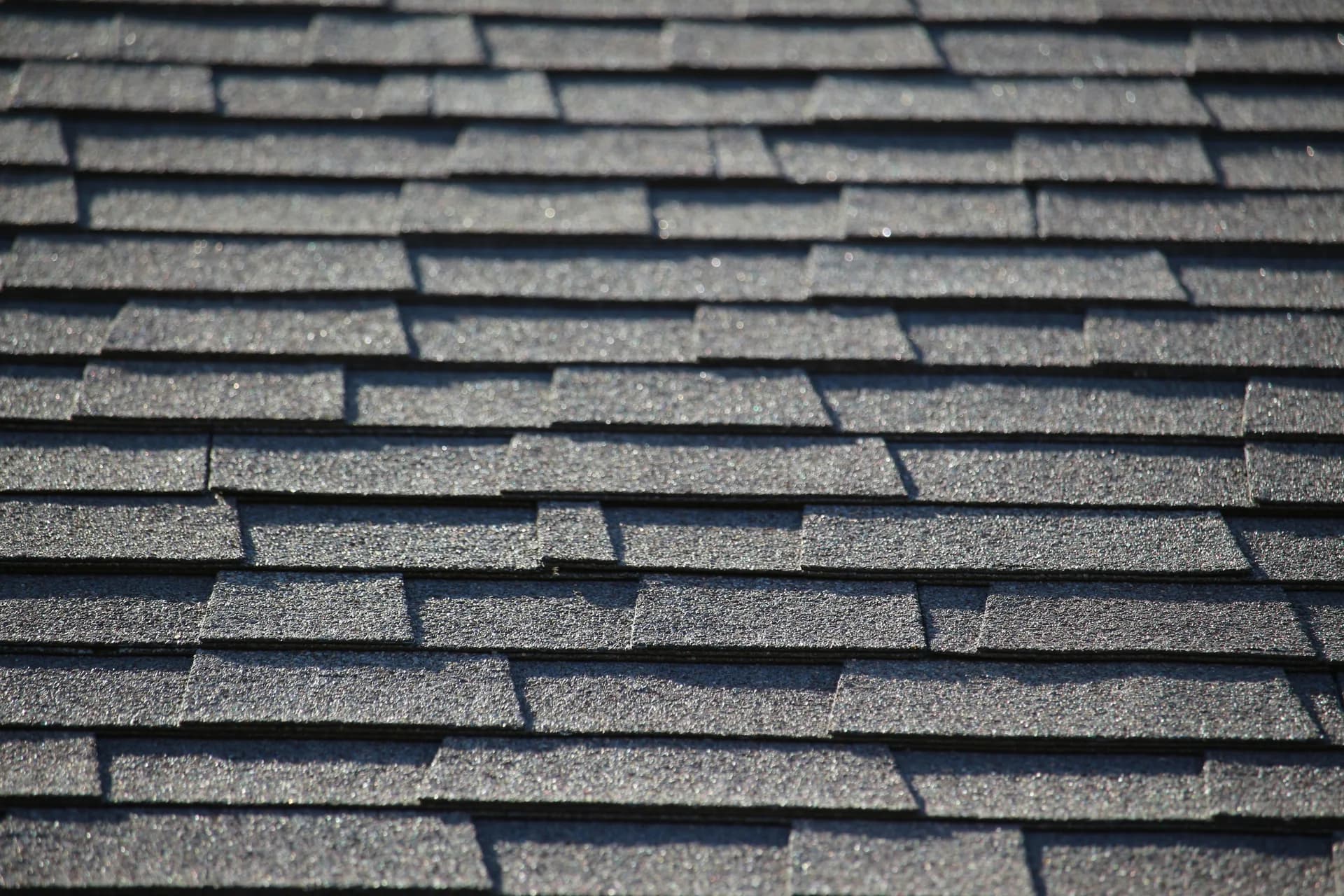
Granule accumulation in gutters is another critical marker. Asphalt shingles shed granules as they age, but heavy granule loss after a hailstorm means the protective layer is gone. Shingles without granules deteriorate rapidly under UV exposure.
Curling, cupping, or clawing shingle edges signal thermal cycling damage compounded by wind uplift during storms. Once shingles lose their flat profile, they can't seal properly. Wind-driven rain enters through gaps, and the next storm pulls more shingles loose.
How Does Hail Damage Show Up on Your Roof?
Hail impact creates circular bruises on shingle surfaces, visible as dark spots where granules have been knocked off. These bruises expose the asphalt mat underneath. Golf ball-sized hail (1.75 inches or larger) can fracture shingles outright, creating cracks that leak immediately.
Dented roof vents, damaged flashing around chimneys, and dented gutters confirm hail size and impact force. If metal components show visible dents, your shingles absorbed similar impacts. Insurance adjusters look for this corroborating damage when assessing claims.
Hail damage isn't always visible from the ground. A roof inspection after a severe hailstorm is standard practice in tornado alley states, where spring and summer storms produce hail diameters over two inches. Bruised shingles fail within 12 to 24 months, even if they look intact initially.
When Does Roof Age Make Replacement the Better Option?
Asphalt shingle roofs carry manufacturer warranties between 20 and 30 years, but real-world performance in storm-prone regions averages 15 to 20 years. Once a roof passes the 15-year mark and shows storm damage, replacement beats repair on cost and reliability.
Repair costs stack quickly when multiple sections fail. Replacing 30% of a roof costs 40% to 50% of full replacement, but the undamaged sections are still aging. A second storm six months later forces another round of repairs, often on adjacent areas.
Contractors can confirm age by examining shingle deterioration patterns and checking permit records with the local building department. If your roof was installed before the last major building code update in your state, replacement brings your home into compliance with current wind and fire ratings.
What Does Widespread Shingle Damage Look Like After a Hurricane or Tornado?
Wind speeds over 70 mph lift shingles that weren't sealed properly or that have aged past their adhesive lifespan. Missing shingles appear in clusters, often on the roof's windward side or along ridges and eaves where wind pressure peaks.
Tornado damage leaves diagonal tear patterns where rotational winds ripped sections away. Hurricane damage shows more uniform loss across large areas, particularly on south and east-facing slopes that take sustained wind and rain. Both events expose underlayment, which degrades rapidly once UV light hits it.
If more than 25% of your roof shows shingle loss or if underlayment is visible in multiple sections, replacement is the only viable fix. Patchwork repairs create a quilt of different shingle ages and colors, and insurance adjusters will total the roof if damage exceeds that threshold.
How Do You Identify Hidden Structural Damage That Requires Replacement?
Sagging roof decking signals water intrusion that has rotted the plywood or OSB sheathing underneath shingles. This requires decking replacement in addition to new shingles, adding $2 to $4 per square foot to project costs.
Attic inspections reveal water stains on rafters, mold growth on sheathing, and wet insulation. These aren't always visible from the exterior. Contractors use moisture meters to map affected areas and determine whether isolated sections can be replaced or if the entire deck needs replacement.
Repeated leaks in the same area suggest compromised flashing or failed valley seals. Valleys channel water off the roof, and when sealant fails, water flows under shingles and into the attic. If the decking around valleys shows rot, the repair scope expands to structural work that makes full replacement more economical.
What Role Does Local Storm History Play in Your Decision?
Regions with annual hail seasons see accelerated roof aging compared to areas with mild weather. Texas, Oklahoma, Kansas, and Colorado average three to five significant hail events per year, and roofs in those states rarely reach their rated lifespan.
Hurricane-prone coastal areas require impact-resistant shingles rated for 130 mph winds or higher. If your current roof predates updated building codes in your state, replacement with code-compliant materials reduces insurance premiums and increases resale value.
Local contractors familiar with regional storm patterns can assess whether your roof will survive another season or if the next severe weather event will cause catastrophic failure. Waiting until after the next storm means emergency tarping, water damage remediation, and competing with every other homeowner in your area for contractor availability.