How Many Hail Strikes Trigger Roof Replacement?
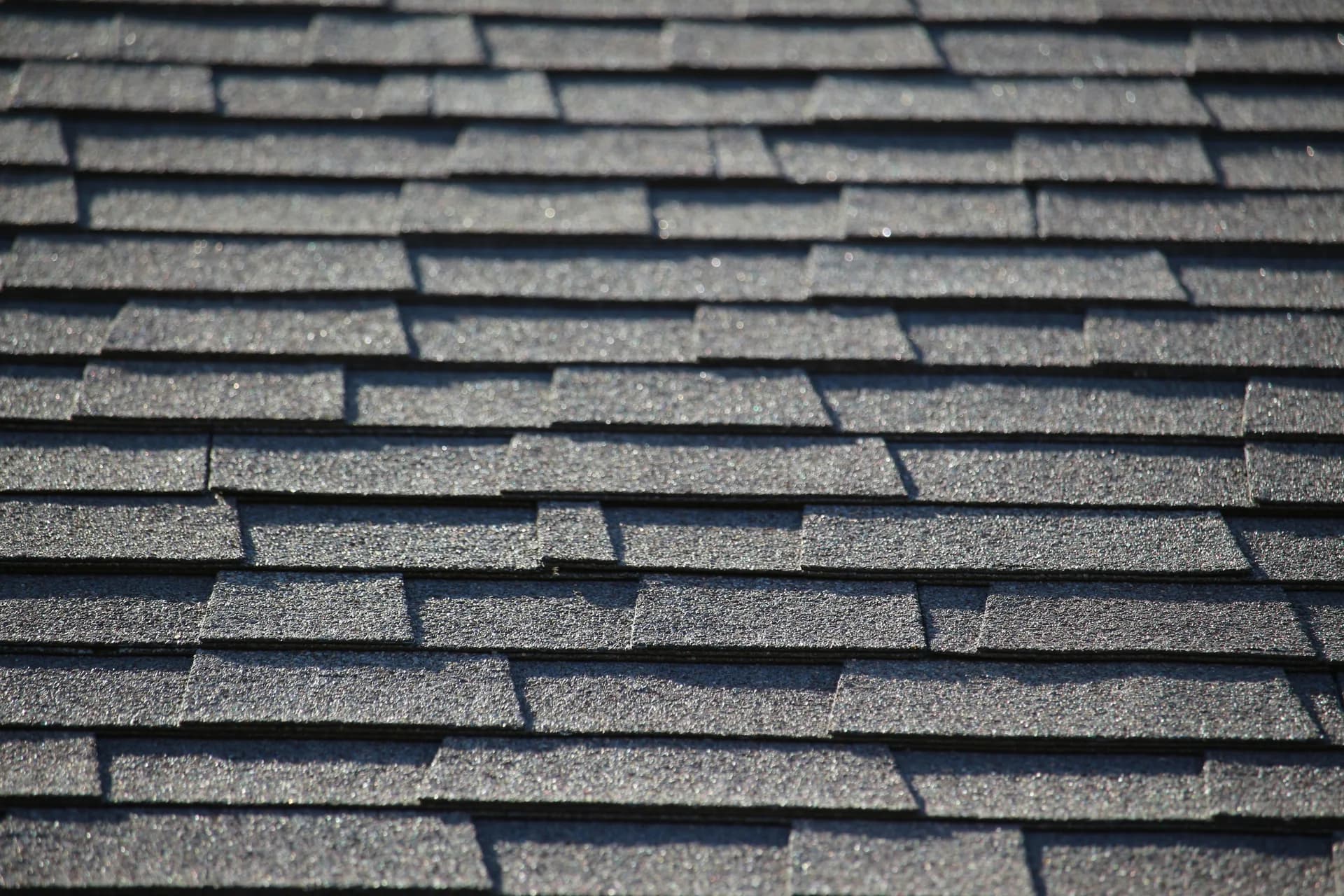
Most insurance carriers approve roof replacement when certified inspectors document 8 or more hail impacts per 100 square feet across multiple roof sections. This density indicates structural compromise that shortens remaining roof life below acceptable thresholds.
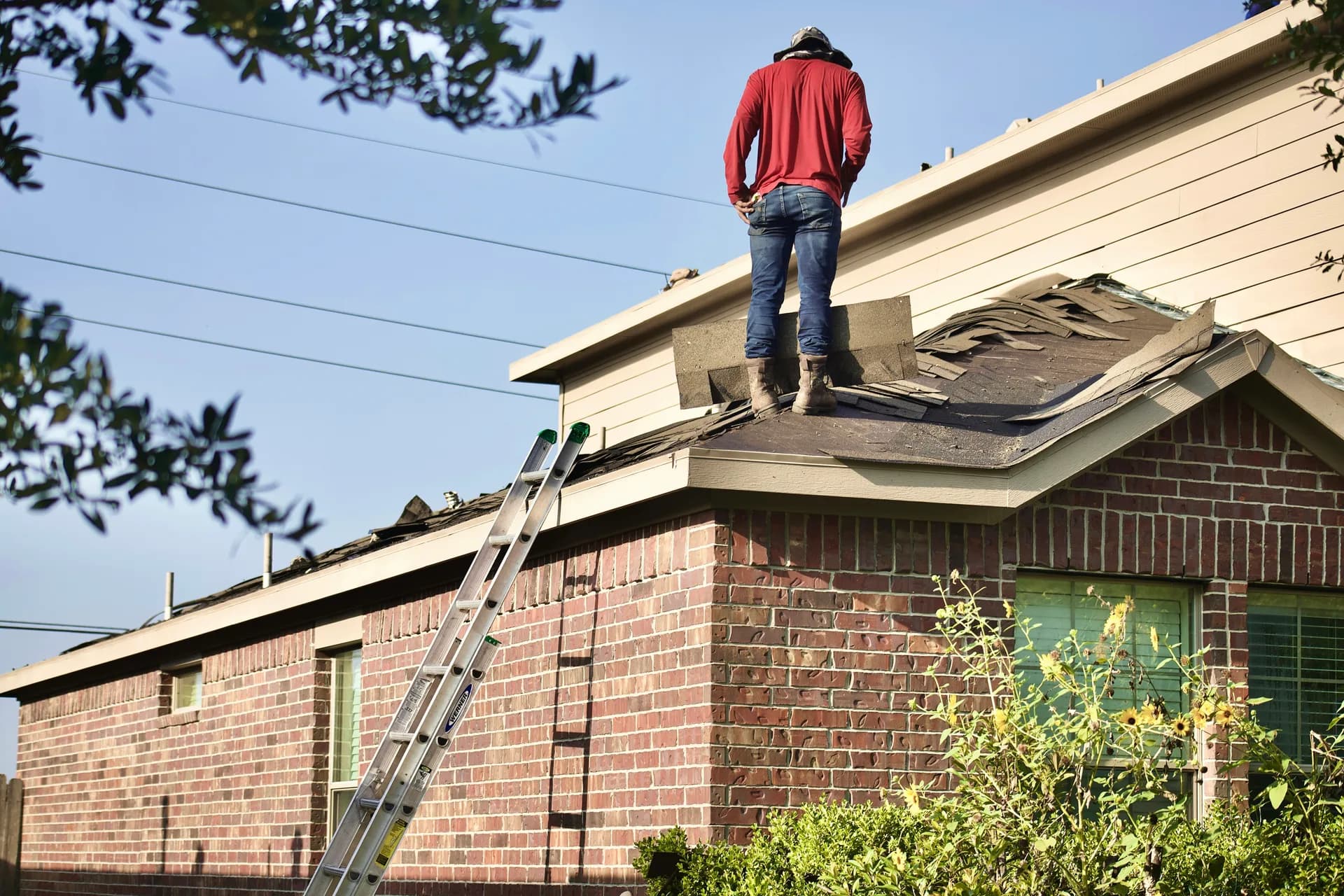
HAAG-certified inspectors measure strike density using test squares marked on each roof plane. They record dent diameter, bruise depth, and fracture presence. A single roof slope showing isolated damage may qualify for partial repair, but damage across two or more planes typically pushes the claim into total replacement.
Carriers use this density standard because scattered strikes heal through thermal cycling, while clustered impacts create matrix failure in asphalt shingles. The 8-per-100 threshold correlates with accelerated aging that reduces expected lifespan by 40 percent or more, making replacement the more economical long-term decision.
What Visible Damage Signals Replacement Over Repair?
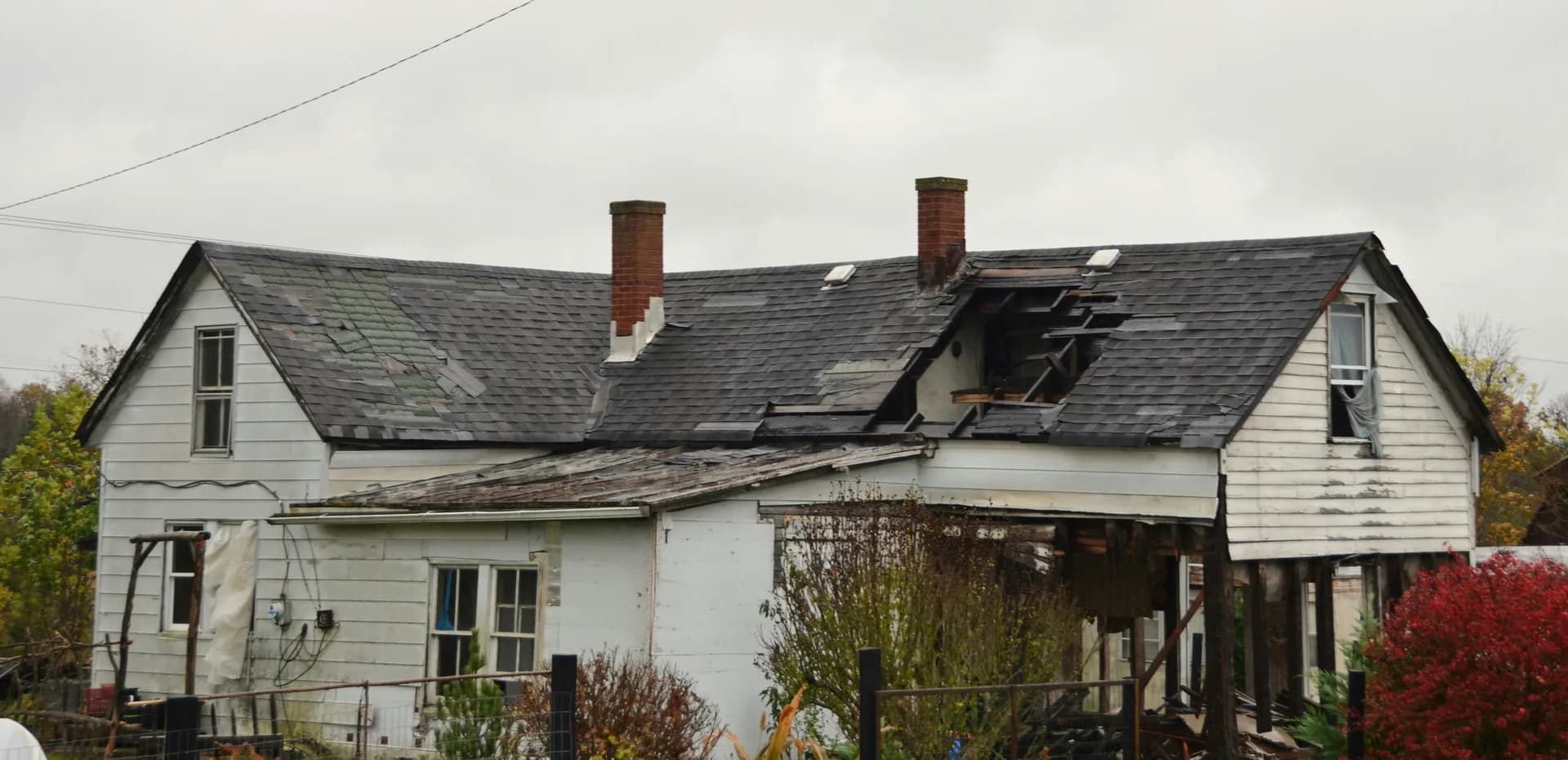
Shingle fractures exposing black underlayment, missing tabs across multiple roof sections, and granule loss revealing the fiberglass mat all indicate replacement-level damage. These failures compromise waterproofing immediately and worsen with each rain cycle.
Granule loss concentrates in hail strike zones. Check downspouts and gutters after storms—if you see cupfuls of granules rather than scattered grit, the protective layer is gone. Exposed asphalt oxidizes rapidly, cracking within months.
Wind-driven hail creates directional damage patterns. North-facing and west-facing slopes often show heavier impact in Midwest storm systems. If one plane is destroyed while others show light bruising, replacement is still typical because mismatched shingle ages create warranty and resale complications.
How Does Roof Age Affect the Replace-or-Repair Decision?
Roofs older than 12 years with moderate hail damage almost always qualify for replacement because remaining lifespan is too short to justify repair investment. Carriers calculate depreciation based on age, and a 15-year-old roof showing hail bruising has minimal actual cash value left.
Manufacturer warranties on architectural shingles run 25–30 years, but real-world performance in hail-prone regions drops to 15–20 years. A roof installed in 2010 that takes hail damage now has already lost half its expected life. Repairing it extends function by only a few years while replacement resets the clock entirely.
If your roof is under 8 years old and damage is localized to one slope, repair may be viable. Contractors can often match shingle lots for small sections. Beyond that age, color matching becomes difficult and the repaired sections age differently than surrounding areas, creating visible patchwork.
What Does Hail Damage Roof Replacement Cost?
Full asphalt shingle replacement after hail damage runs $8,000–$18,000 for a typical 2,000 square foot single-story home, and $12,000–$22,000 for two-story or complex rooflines with multiple valleys and penetrations. Impact-resistant shingles add $1,500–$3,000 to the total but qualify for insurance discounts in most hail-prone states.
Costs break down to materials, labor, disposal, and underlayment upgrades. Synthetic underlayment costs $200–$600 more than felt but provides better moisture barrier during installation delays. Ice and water shield at eaves and valleys adds another $300–$800 depending on linear footage.
Pitch affects labor rates directly. Roofs steeper than 6:12 require additional safety equipment and slower installation, increasing labor by 15–25 percent. Estimates based on available industry data; individual project costs vary by roof size, pitch, material, and regional labor rates.
How Long After a Hail Storm Should You Replace Your Roof?
File your insurance claim within 30–90 days of the storm, but actual replacement timing depends on claim approval and contractor availability. Most projects happen 4–12 weeks after the initial inspection, with delays stretching longer in areas hit by widespread storms.
Insurance policies include claim filing deadlines, typically one year from the damage date, but waiting reduces your leverage. Adjusters prioritize recent claims and may attribute older damage to wear rather than the covered event. Prompt filing also locks in material costs before price increases hit.
Contractor availability spikes after major hail events. A localized storm may allow scheduling within two weeks, but regional events like derecho systems or hail swaths covering multiple counties create backlogs of 8–16 weeks. Temporary tarping protects the interior while you wait, but it's not a permanent solution.
What Should You Look for When Choosing a Hail Damage Replacement Contractor?
Verify the contractor holds an active license in your municipality, carries general liability and workers compensation insurance, and has completed at least 50 roof replacements in the past two years. Ask for references from projects completed within the last six months and check complaint records with your local building department.
Storm chasers flood hail-damaged areas within days of major events. They're not all fraudulent, but out-of-state contractors disappear after deposit collection or leave substandard work with no local recourse. Prioritize contractors with a physical office address in your metro area and a verifiable history predating the storm.
Request a written estimate breaking out materials, labor, disposal, and underlayment separately. Lump-sum bids hide cost drivers and make comparisons difficult. The estimate should specify shingle brand, warranty tier, and underlayment type. Generic "architectural shingle" descriptions signal low-bid material substitution.