What Damage Patterns Require Roof Replacement in Alabama
Hail impacts across three or more sections of your roof, widespread granule loss visible in gutters and downspouts, or shingle mat damage that exposes fiberglass backing all push the decision toward replacement. Alabama sees an average of 4–7 hail days per year in the northern counties, with storms in Huntsville, Birmingham, and Tuscaloosa producing 1-inch to 2-inch hailstones that fracture shingle integrity even when no puncture is visible.
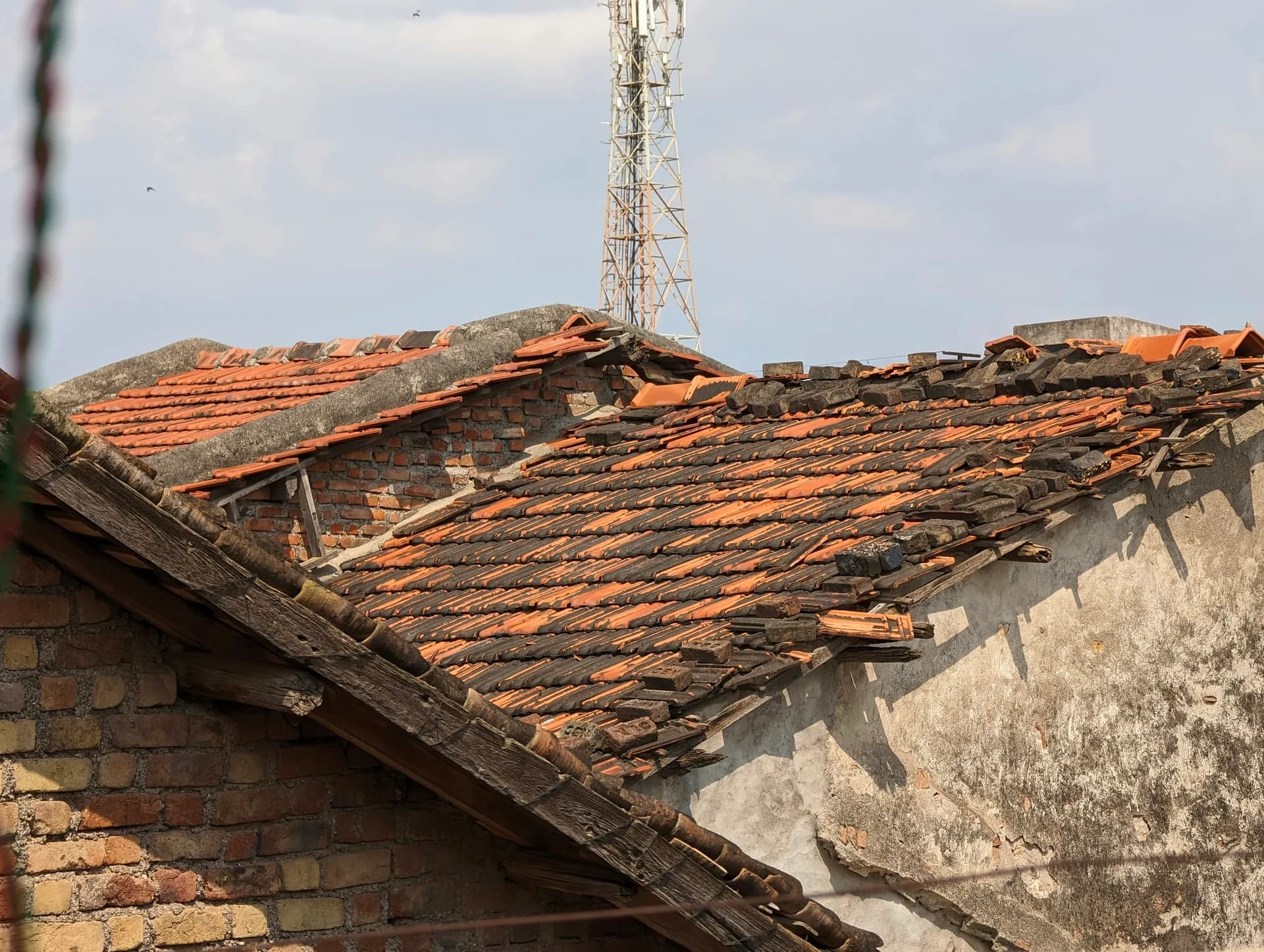
Wind damage from severe thunderstorms and tropical systems compounds the issue. If you count more than 15 missing or lifted shingles, or if shingle edges show creasing from repeated wind flex, the roof has lost its weatherproofing capacity across too large an area for targeted repair to restore performance.
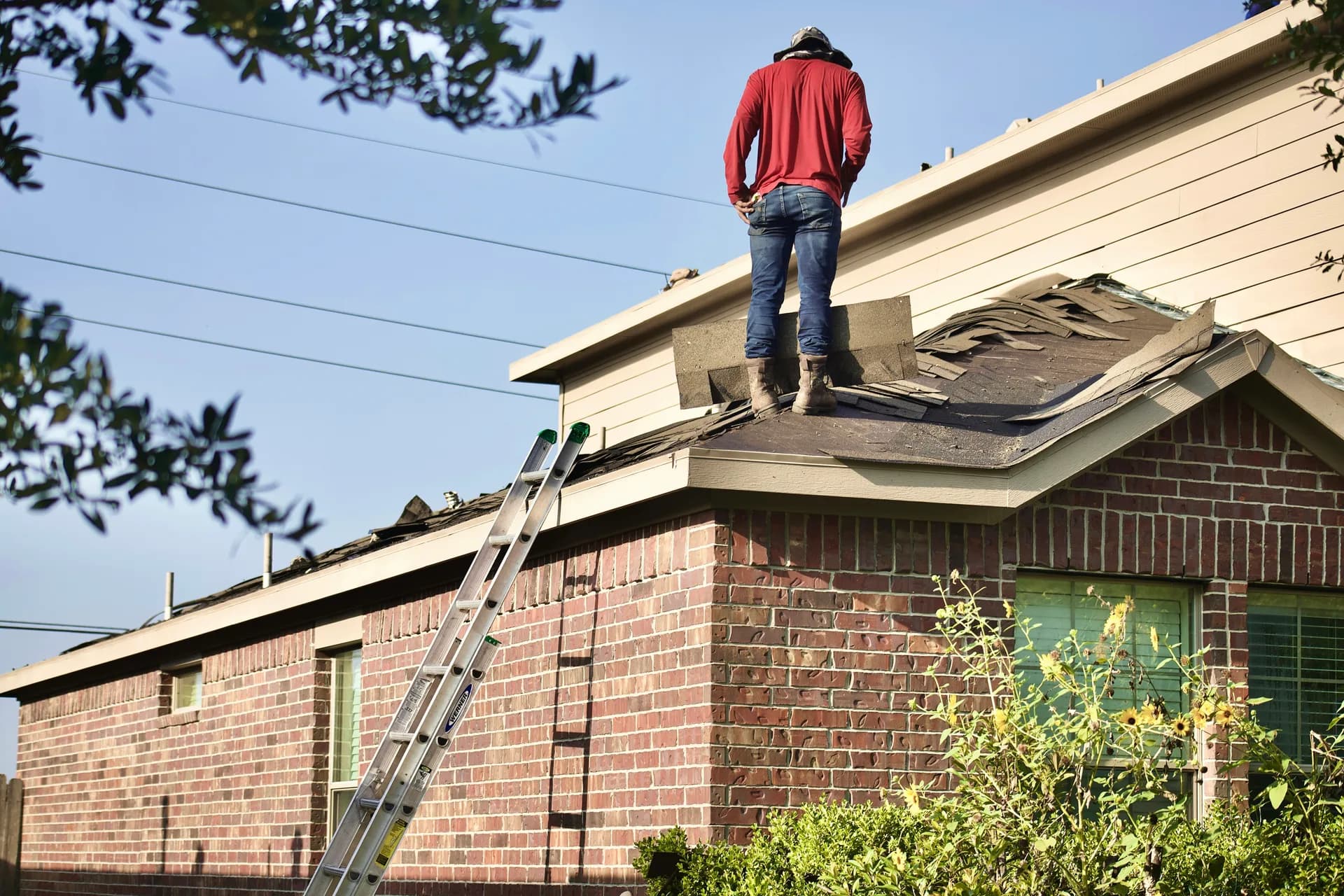
Decking damage is the final threshold. Water stains on interior ceilings, sagging sections of roofline, or soft spots when walking the roof indicate the plywood or OSB sheathing has absorbed moisture and begun to delaminate. Repair addresses surface materials; replacement addresses the structural layer that holds them.
When Repair Is the Right Call After Storm Damage
Repair works when damage is confined to a single slope or a defined section under 100 square feet and the rest of the roof remains structurally sound. A tree branch puncture during a windstorm, isolated shingle loss from a localized microburst, or a small section of lifted ridge cap qualifies for repair if the surrounding material shows no hail bruising or age-related brittleness.
The roof must be under 12 years old with no prior storm claims for repair to make financial sense. Older roofs carry hidden wear that new patches cannot match, and insurance carriers in Alabama often deny partial repairs on roofs approaching the end of their rated lifespan.
You need a licensed roofing contractor to confirm the extent of damage before committing to repair. What appears isolated from the ground often reveals broader damage when inspected from the roof surface, particularly with hail impacts that do not break shingles on contact but weaken the mat enough to fail within 12–24 months.
How Alabama Storm Frequency Affects the Repair vs Replace Decision
Alabama's position in the Gulf Coast hail corridor and its exposure to tropical systems means most roofs sustain multiple storm events over a 15-year lifespan. A roof repaired after one hail event in 2021 faces another in 2023, and carriers track claim history when underwriting renewals.
Northern Alabama counties including Madison, Limestone, and Marshall average 5–8 severe hail days per year, with peak activity March through May. Central Alabama from Jefferson County south to Montgomery sees fewer hail days but higher hurricane and tropical storm exposure from June through November, bringing sustained wind and driving rain that exploit any existing weak points.
If your roof already carries one storm claim and you are deciding whether to repair after a second event, replacement eliminates the cycle. Insurance adjusters in Alabama routinely total roofs with two claims in three years, particularly on roofs over 10 years old, because actuarial data shows those roofs will generate a third claim.
What Roof Replacement Costs in Alabama After Storm Damage
Full asphalt shingle replacement on a 2,000 square foot roof in Alabama runs $8,500 to $16,000, depending on shingle grade, roof pitch, and the number of penetrations like chimneys and skylights. Impact-resistant shingles rated Class 4 add $1,200 to $2,500 to the total but qualify for insurance discounts in most Alabama counties and withstand future hail better than standard three-tab or architectural shingles.
Pitch affects labor cost directly. A roof with a 6/12 pitch or steeper requires additional safety equipment and slower work pace, increasing labor by 15–25 percent over a standard 4/12 pitch roof. Mobile, Montgomery, and Huntsville contractors report tighter scheduling after widespread hail events, which can push costs up by 10 percent during peak claim season.
Most insurance policies in Alabama cover replacement cost value minus the deductible when storm damage totals the roof. Deductibles range from $1,000 to 2 percent of the dwelling coverage amount, meaning a home insured for $250,000 may carry a $2,500 or $5,000 wind/hail deductible. Estimates based on available industry data; individual project costs vary by roof size, pitch, material, and regional labor rates.
How to Identify Contractors Who Handle Storm Damage Replacements Correctly
Alabama does not require state-level licensing for roofing contractors, so verification happens at the municipal level. Check that the contractor holds a current business license in your city or county, carries general liability insurance with at least $1 million coverage, and provides workers' compensation documentation if they employ a crew.
Ask for references from projects completed in the last 12 months in your area, and confirm the contractor uses a local supplier for materials rather than bulk-purchasing shingles from out of state. Local suppliers honor manufacturer warranties without delay; out-of-state material sources create gaps in warranty coverage that surface only after installation.
Avoid contractors who offer to waive your deductible, who ask for full payment before work starts, or who pressure you to sign a contract before the insurance adjuster inspects the damage. These patterns indicate a contractor optimizing for claim volume rather than quality work, and Alabama homeowners report higher callback rates and incomplete projects from crews operating this way.
What the Replacement Process Looks Like After an Alabama Storm
The process starts with a rooftop inspection by a licensed contractor who documents damage with photos, measures impact density per square, and maps the affected areas. You receive a written scope of work that details removal, disposal, decking repair if needed, underlayment type, shingle grade, and ventilation upgrades required by current building code.
You file the claim with your insurance carrier, and an adjuster schedules an inspection within 7–14 days in most Alabama markets. The adjuster and contractor should meet on-site to agree on the scope; disagreements over whether damage qualifies for replacement get resolved through supplemental estimates or reinspection, not by the contractor proceeding without carrier approval.
Once the claim is approved, the contractor orders materials and schedules the tearoff. Most Alabama replacements take 1–3 days depending on roof size and complexity. The contractor pulls the required permit from your municipality, completes the work, and arranges the final inspection. You pay the contractor your deductible plus any upgrade costs not covered by insurance after the work passes inspection.