What Damage Threshold Triggers Replacement Instead of Repair in Arkansas?
Insurance adjusters in Arkansas typically classify a roof as total loss when hail impacts exceed 8 strikes per 10x10-foot test square, or when wind damage affects more than 30% of the roof deck. This threshold exists because scattered repair creates mismatched shingle lots, voids manufacturer warranties, and often fails within two years as surrounding undamaged shingles age at different rates.
Arkansas sees an average of 4–6 severe hail events annually across the state, with the highest concentration in central and northern counties during March through June. Hail larger than 1 inch diameter — common in Arkansas supercell storms — creates bruising that may not leak immediately but compromises shingle integrity and accelerates granule loss.
Repair makes sense only when damage is localized to a single slope, involves fewer than 20 shingles, and occurred within the past 12 months on a roof under 10 years old. Older roofs with scattered storm damage almost always fail the cost-benefit test because labor to access and patch small areas approaches 40–60% of replacement cost while delivering a fraction of the lifespan.
How Does Arkansas Storm History Affect Your Replace vs Repair Decision?
Arkansas ranks in the top 15 states nationally for hail frequency, with an average of 120–150 hail days per year statewide and peak activity in a corridor from Fort Smith through Little Rock to Jonesboro. Homes in this corridor face hail risk every spring, meaning a repaired roof will likely sustain additional damage within 3–5 years.
Tornado activity adds wind damage exposure. Arkansas averages 33 tornadoes annually, and EF2+ events generate straight-line winds exceeding 110 mph that lift shingles, crack flashing, and expose roof decking. Wind damage often appears cosmetic but compromises the seal strip that prevents water intrusion.
If your roof has been patched once already in the past 5 years, replacement is the better investment. Serial repair on a roof in a high-frequency hail zone costs more over 10 years than a single replacement with impact-resistant shingles rated Class 4, which many Arkansas insurers discount by 15–35% on premiums.
What Does Replacement Cost vs Repair Cost in Arkansas After Storm Damage?
Full asphalt shingle replacement on a typical 2,000-square-foot Arkansas ranch home costs $9,000–$16,000 depending on pitch, access, and whether decking replacement is required. Class 4 impact-resistant shingles add $1,500–$3,000 to the project but qualify for insurance discounts that recover the upfront cost within 4–6 years in most Arkansas counties.
Repair costs for storm damage run $450–$1,200 for small sections under 100 square feet, but insurance deductibles in Arkansas average $1,000–$2,500, meaning minor repairs come out of pocket while replacement triggers full claim coverage minus the deductible. This creates a financial inflection point: if repair cost approaches 50% of your deductible and the roof is over 12 years old, replacement delivers better return.
Estimates based on available industry data; individual project costs vary by roof size, pitch, material, and regional labor rates. Contractors in Northwest Arkansas and the Little Rock metro often book 4–8 weeks out during peak storm season from April through June, so timing affects both cost and availability.
Which Roofing Materials Handle Arkansas Storm Conditions Best?
Class 4 impact-resistant asphalt shingles are the default recommendation for Arkansas homes in hail-prone counties. These shingles use a reinforced mat and modified asphalt that absorbs hail impact without cracking, and they meet UL 2218 standards by surviving two 2-inch steel ball drops from 20 feet without fracture.
Metal roofing — standing seam or corrugated steel — handles hail and wind better than any shingle product and carries a 40–50 year lifespan, but installed cost runs $14,000–$28,000 for the same 2,000-square-foot home. Metal makes sense for buyers planning to stay in the home long-term or in counties like Craighead, Pulaski, and Sebastian where hail frequency justifies the premium.
Architectural shingles without impact rating fail faster in Arkansas. Standard three-tab shingles crack under 1-inch hail, and granule loss accelerates after the first storm event. If your existing roof uses standard shingles and sustained storm damage, upgrading to Class 4 during replacement is a one-time opportunity most Arkansas homeowners should take.
How Do You Identify a Qualified Storm Damage Roofing Contractor in Arkansas?
Licensed roofing contractors in Arkansas must register with the Arkansas Contractors Licensing Board for projects over $2,000, and you can verify active status on the Board's public database using the contractor's license number. A legitimate contractor provides this number upfront and carries both general liability and workers' compensation insurance with certificates you can verify directly with the carrier.
Storm chasers flood Arkansas after major hail events, often going door-to-door offering free inspections and immediate claim filing. Verify the contractor maintains a permanent Arkansas business address, has completed projects in your county within the past 24 months, and provides local references you can drive past. Out-of-state contractors are not inherently fraudulent, but contractors without local accountability disappear when warranty issues arise.
Request at least three quotes with identical scope — same shingle brand, same underlayment, same flashing replacement — so you compare labor and markup rather than材料 quality. The lowest bid often cuts corners on decking inspection, ventilation upgrades, or ice-and-water barrier coverage. Mid-range bids from contractors with 5+ years of verifiable Arkansas project history deliver the best risk-adjusted value.
What Should You Do Immediately After Storm Damage Before Deciding on Replacement?
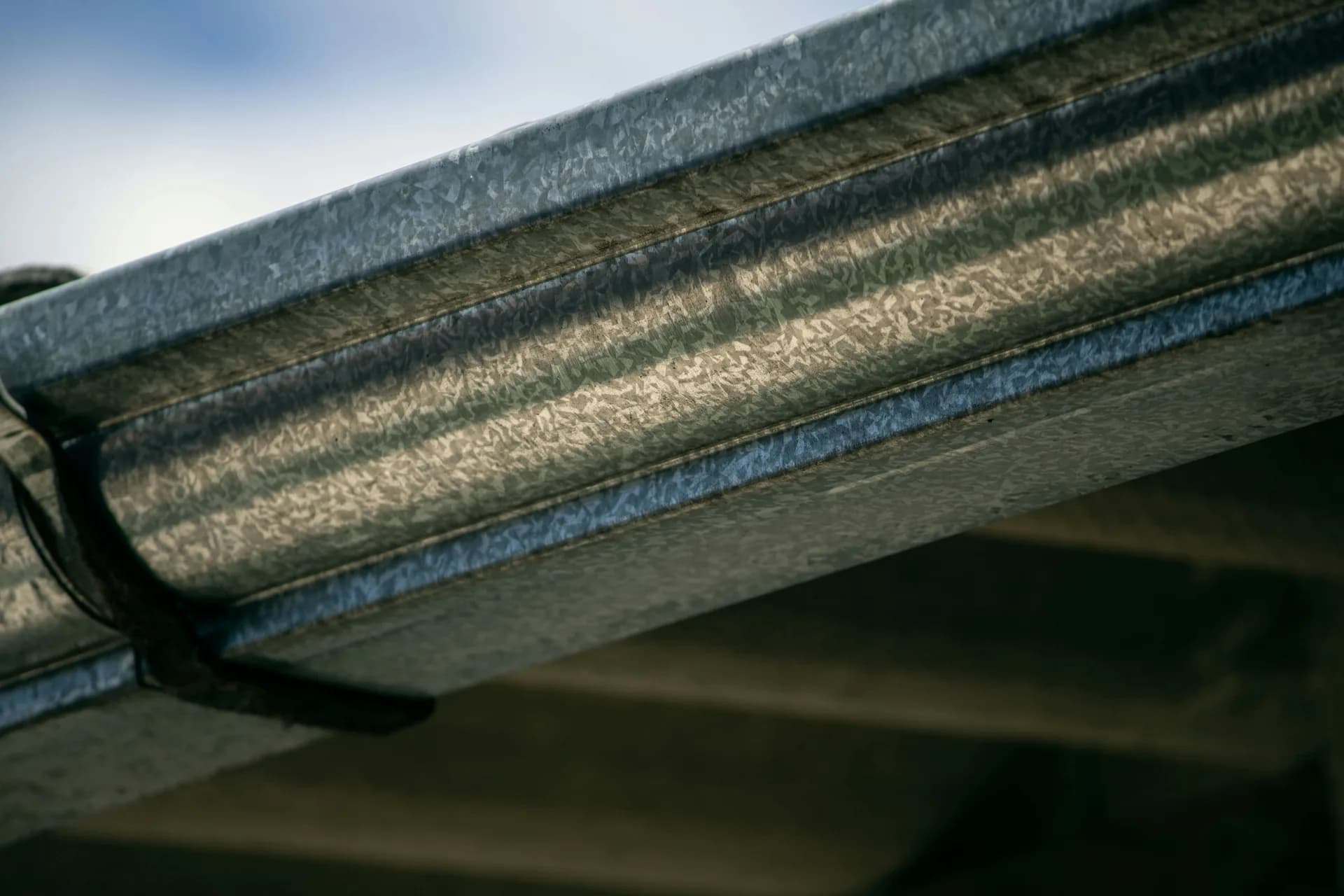
Document damage with photos from ground level and close-ups of any visible shingle loss, denting on vents or flashing, and granule accumulation in gutters. Insurance adjusters use this documentation to verify the date of loss, and photos taken within 48 hours of a storm carry more weight than photos taken weeks later after additional weather exposure.
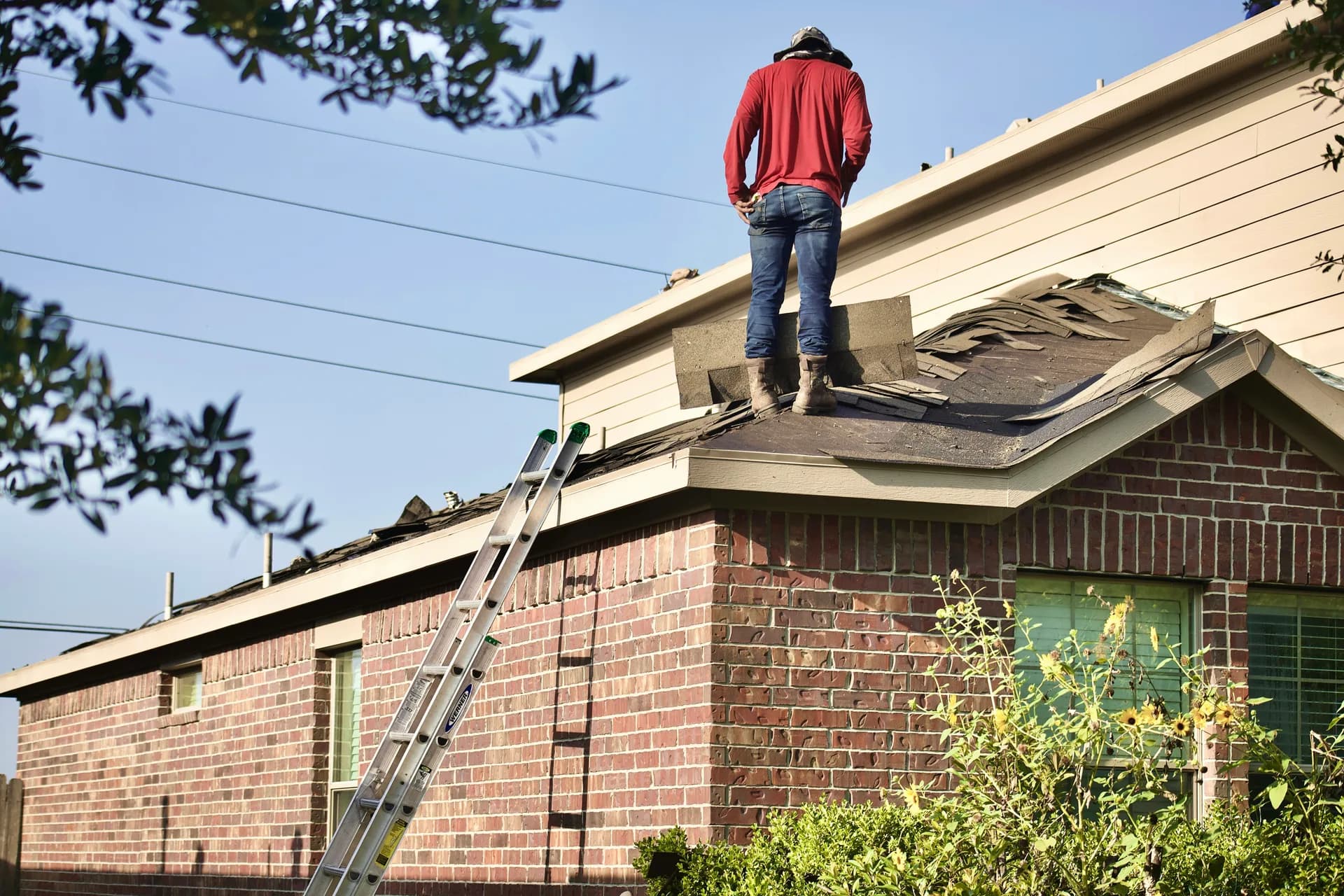
Schedule an inspection with a licensed local contractor and request a written assessment that identifies the number of hail strikes per test square, the extent of wind damage, and whether decking shows moisture intrusion or structural compromise. This assessment is not a quote — it's a diagnostic report you use to decide whether to file a claim.
File your insurance claim only after you have the contractor's damage assessment and understand the likely scope. Arkansas insurers require claims within one year of the loss date, but filing prematurely without documentation of replacement-level damage can result in a denial that stays on your claims history. If the assessment shows borderline damage, request a second inspection from a HAAG-certified inspector who specializes in storm damage forensics.