What damage threshold determines replacement versus repair in Illinois?
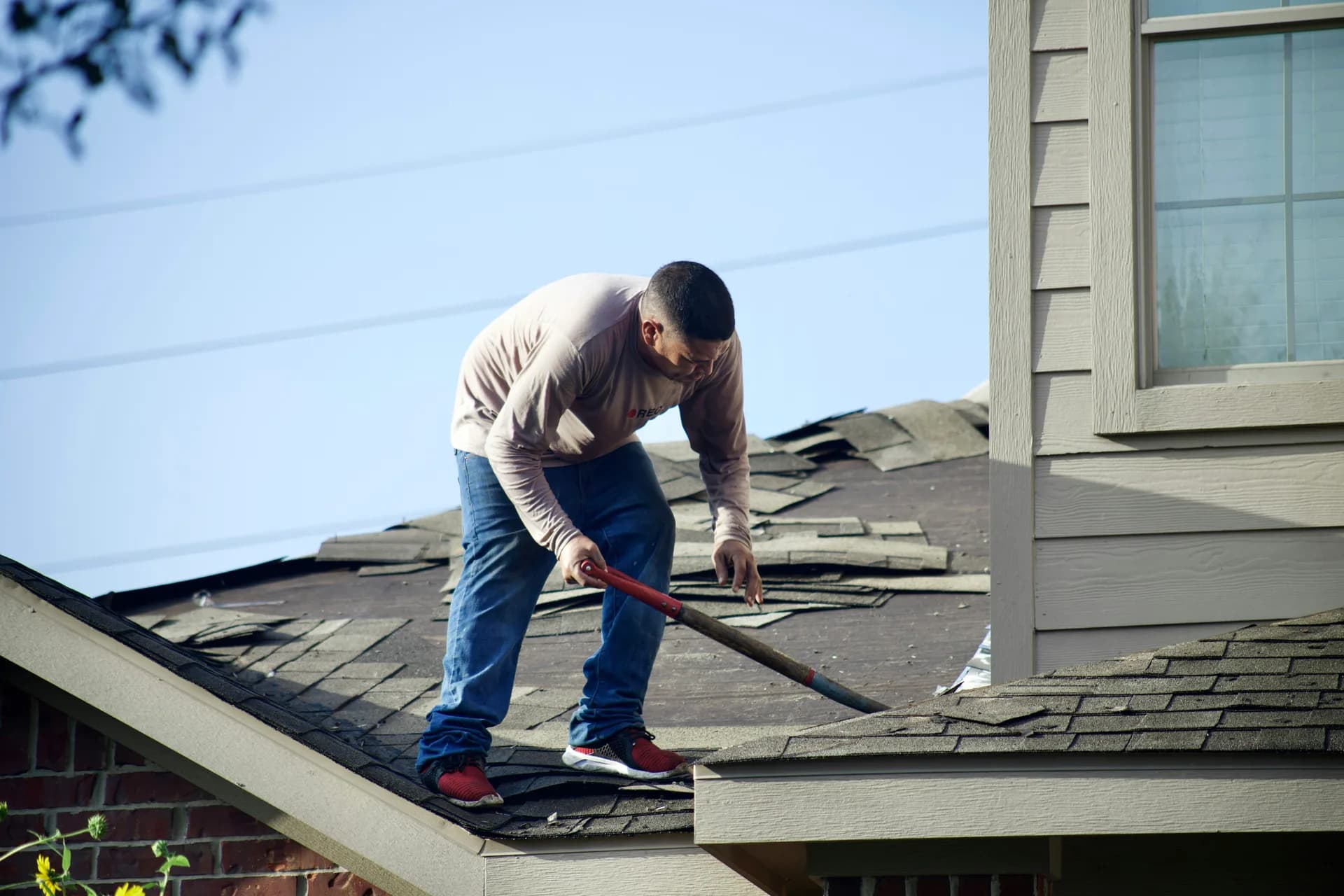
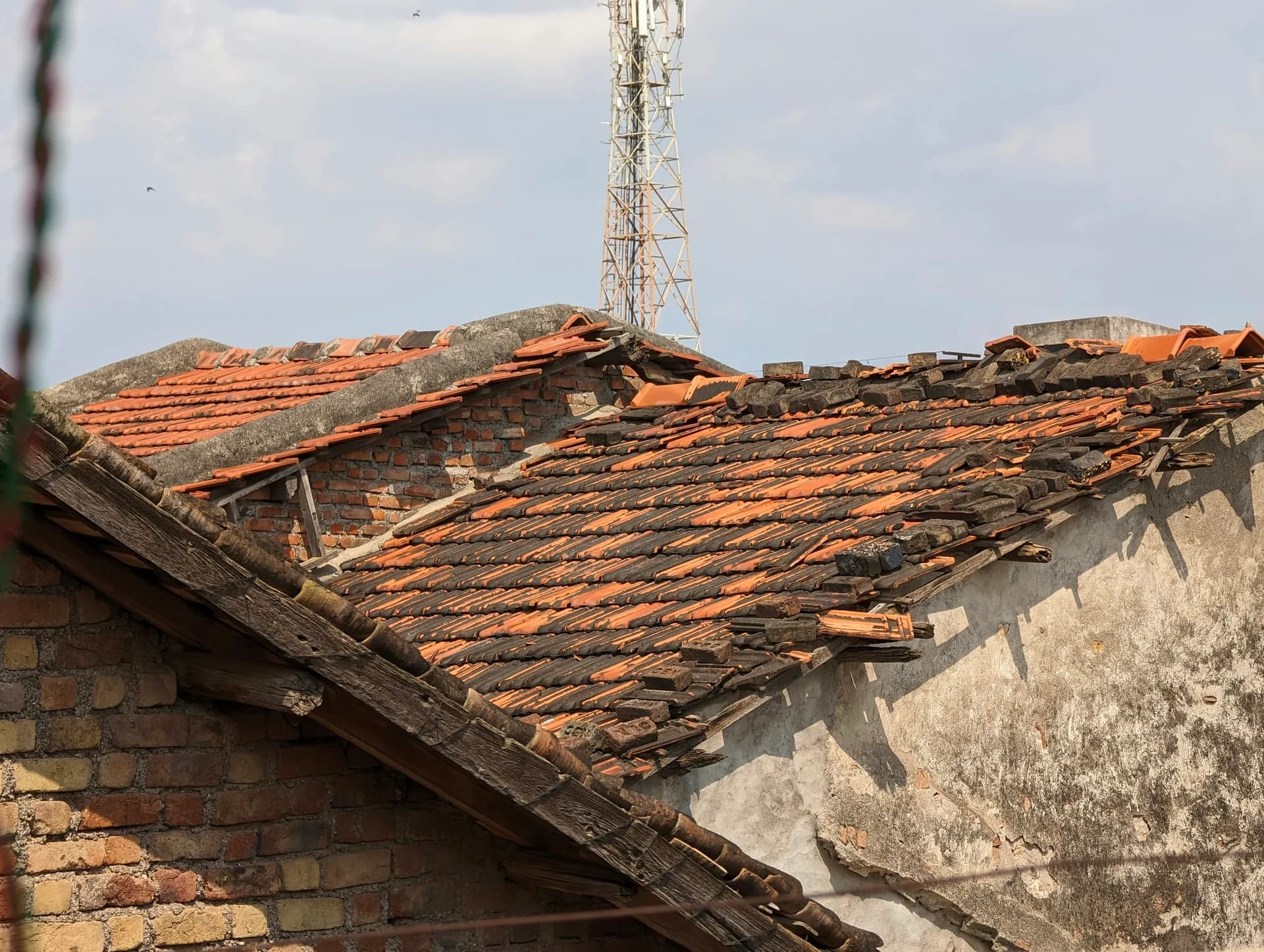
Damage affecting more than 25–30% of your roof's total surface area generally requires replacement rather than repair. Insurance adjusters in Illinois use this threshold because patching extensive hail bruising or wind-lifted shingles across multiple roof planes costs nearly as much as replacement while leaving the rest of your aging shingles vulnerable to the next storm. A standard 2,000 square foot roof with damage across 600+ square feet will almost always trigger a replacement claim.
Younger roofs under five years old with localized damage may qualify for repair even if the damaged area is substantial, because surrounding shingles still have decades of rated life remaining. Older roofs over 15 years see the opposite calculus: even minor storm damage often justifies replacement because the undamaged sections are nearing end-of-life anyway. Your adjuster evaluates both the extent of current damage and the remaining serviceable life of undamaged sections.
Illinois storms deliver both hail impact damage and wind uplift. Hail bruising breaks the protective granule layer and accelerates aging even when shingles don't crack immediately. Wind damage lifts shingle edges, breaks adhesive seals, and exposes underlayment to water intrusion during the next rain event.
How do Illinois hail patterns affect the repair-versus-replacement decision?
Northern Illinois counties including Cook, DuPage, Kane, and Will average 4–6 severe hail days per year, with quarter-size hail common and golf ball hail occurring every few seasons. Southern counties see fewer events but higher wind speeds during severe thunderstorm complexes that move northeast from Missouri. This pattern means roofs in Chicagoland face cumulative hail damage over time, making replacement the smarter long-term choice even when a single storm causes moderate damage.
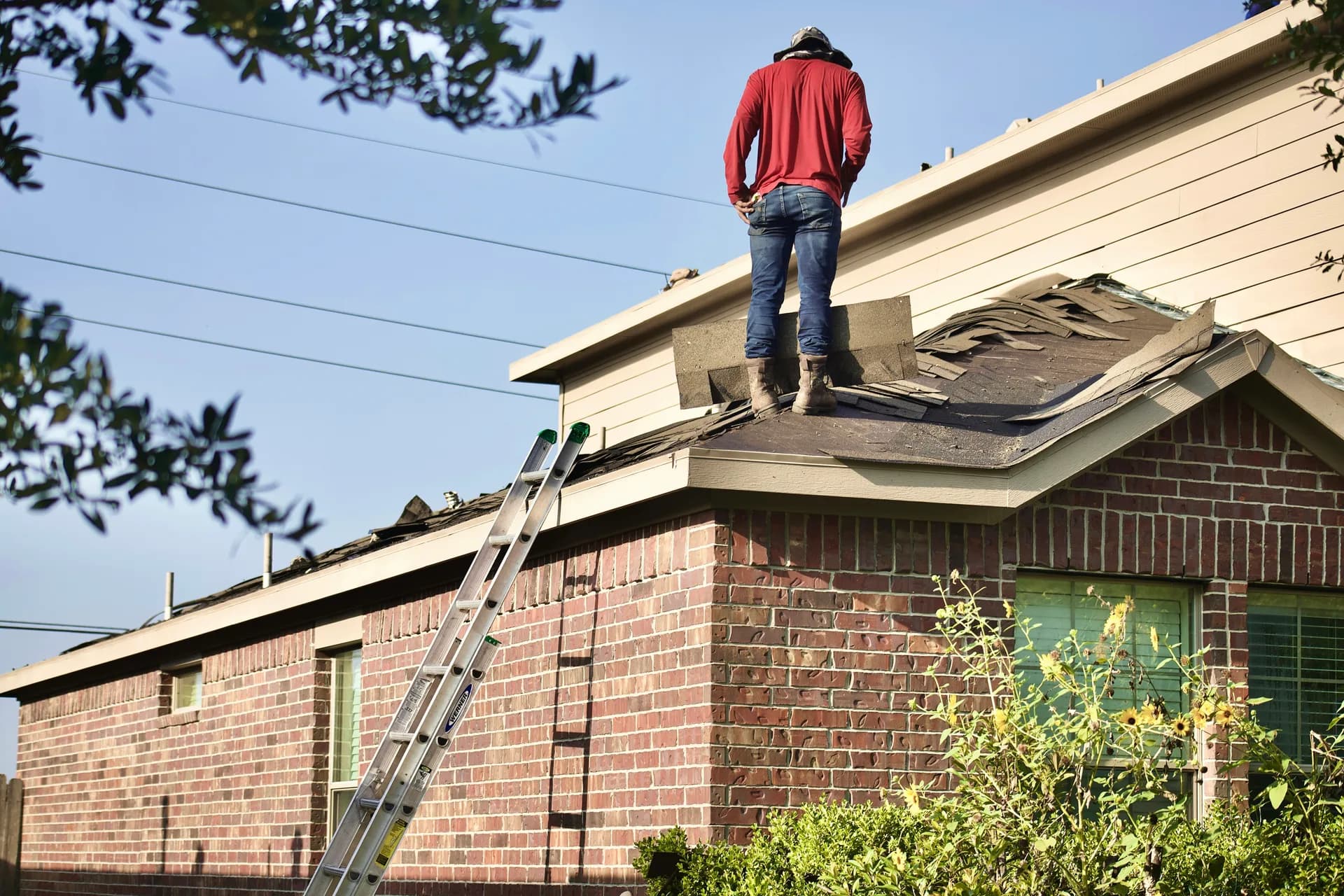
Hail damage isn't always visible from the ground. Bruising on the back side of asphalt shingles weakens the mat without cracking the surface, and this hidden damage only shows up during a professional inspection with close-up shingle examination. Homeowners who skip the inspection and choose repair based on what they see from a ladder often face accelerated shingle failure within two to three years.
Storms in May, June, and July produce the largest hail in Illinois. If your roof already survived a major hail event in previous years and now sustained additional damage, replacement becomes the default recommendation because your shingles have already absorbed one round of impact stress.
What does roof replacement cost in Illinois after storm damage?
Full asphalt shingle replacement in Illinois runs $8,500–$16,000 for a typical 2,000 square foot roof with moderate pitch, including tear-off, underlayment, drip edge, and code-compliant ventilation upgrades. Impact-resistant Class 4 shingles add $1,500–$3,000 to the total but qualify for insurance premium discounts in many Illinois counties with documented hail history. Estimates based on available industry data; individual project costs vary by roof size, pitch, material, and regional labor rates.
Chicago-area projects run 10–15% higher than downstate jobs due to permit costs, disposal fees, and contractor density. A comparable roof in Peoria or Springfield typically costs $7,800–$14,200. Steep-pitch roofs, multiple roof planes, and second-story work increase labor hours and fall protection requirements, adding 20–35% to baseline cost.
Insurance covers replacement cost minus your deductible when storm damage is confirmed. Most Illinois homeowners carry $1,000–$2,500 deductibles. If your adjuster approves replacement and your roof costs $13,000 installed, you pay your deductible and the carrier covers the rest. Depreciation deductions apply to actual cash value policies, which pay less up front and reimburse depreciation holdback only after work is completed.
What roofing materials handle Illinois storm conditions best?
Impact-resistant asphalt shingles rated Class 4 by UL 2218 testing survive hail strikes that crack standard shingles, making them the most common upgrade after storm damage in Illinois. GAF Timberline HDZ, CertainTeed Landmark IR, and Owens Corning Duration Storm carry Class 4 ratings and 130 mph wind resistance, both critical for Illinois weather. These shingles cost roughly 15–20% more than non-IR versions but reduce future claim likelihood.
Metal roofing in standing seam or corrugated panel profiles handles hail and wind better than any shingle system, with 30–50 year serviceable life and near-zero maintenance. Installed cost runs $14,000–$28,000 for the same 2,000 square foot roof, roughly double the asphalt price. Homeowners replacing storm-damaged roofs on older homes in historic districts sometimes choose metal for its longevity and because it eliminates the need for another replacement during their ownership.
Architectural shingles without impact rating still outperform three-tab shingles in Illinois storms. The thicker laminated construction resists wind uplift better and provides more granule coverage over the asphalt mat, which slows UV degradation between hail events.
How do you evaluate contractor qualifications after an Illinois storm?
Licensed roofing contractors in Illinois carry a state-issued roofing contractor license through the Illinois Department of Public Health, which requires proof of liability insurance and a passing score on a trade-specific exam. Verify the license number directly with IDPH rather than trusting a business card. Contractors without valid state licensing cannot pull permits in most Illinois municipalities, and using an unlicensed contractor voids your ability to file a claim against the state recovery fund if the work fails.
Storm-chasing contractors flood Illinois after every major hail event, often operating out of state with no local service history. A contractor based in Texas or Oklahoma may do competent work, but you lose recourse if warranty issues arise six months later and the company no longer operates in Illinois. Prioritize contractors with a verifiable Illinois business address, local references from projects completed in previous years, and an established relationship with local building departments.
Certifications from manufacturers like GAF Master Elite or CertainTeed SELECT ShingleMaster indicate the contractor met training and volume requirements and can offer enhanced warranties. These certifications matter most when you're installing a premium shingle system where workmanship directly affects warranty coverage. A Master Elite contractor can offer GAF's Golden Pledge warranty covering materials and labor for 50 years; non-certified installers cannot.
What permit and inspection requirements apply to Illinois roof replacement?
Most Illinois municipalities require a building permit for full roof replacement, with permit fees ranging from $150–$600 depending on project scope and local jurisdiction. Your contractor pulls the permit using your signed contract and proof of insurance. The permit triggers a final inspection by the local building department after installation is complete, verifying that work meets current Illinois building code and manufacturer installation standards.
Chicago requires permits for all roof replacements and assesses fees based on project valuation, typically $300–$500 for residential work. Suburban Cook County municipalities each set their own permit rules, but nearly all require permits for replacement projects. Downstate cities follow similar patterns. Skipping the permit to avoid the fee creates liability if you file an insurance claim later or sell the home, because unpermitted work must be disclosed.
Inspection covers underlayment type, drip edge installation, flashing details around chimneys and valleys, and ventilation adequacy. Illinois adopted the 2021 International Residential Code, which mandates balanced intake and exhaust ventilation at a 1:150 ratio for vented attics. Older homes often lack code-compliant ventilation, and the replacement project must bring the system up to current standards.