What Storm Damage Patterns Force Replacement Instead of Repair?
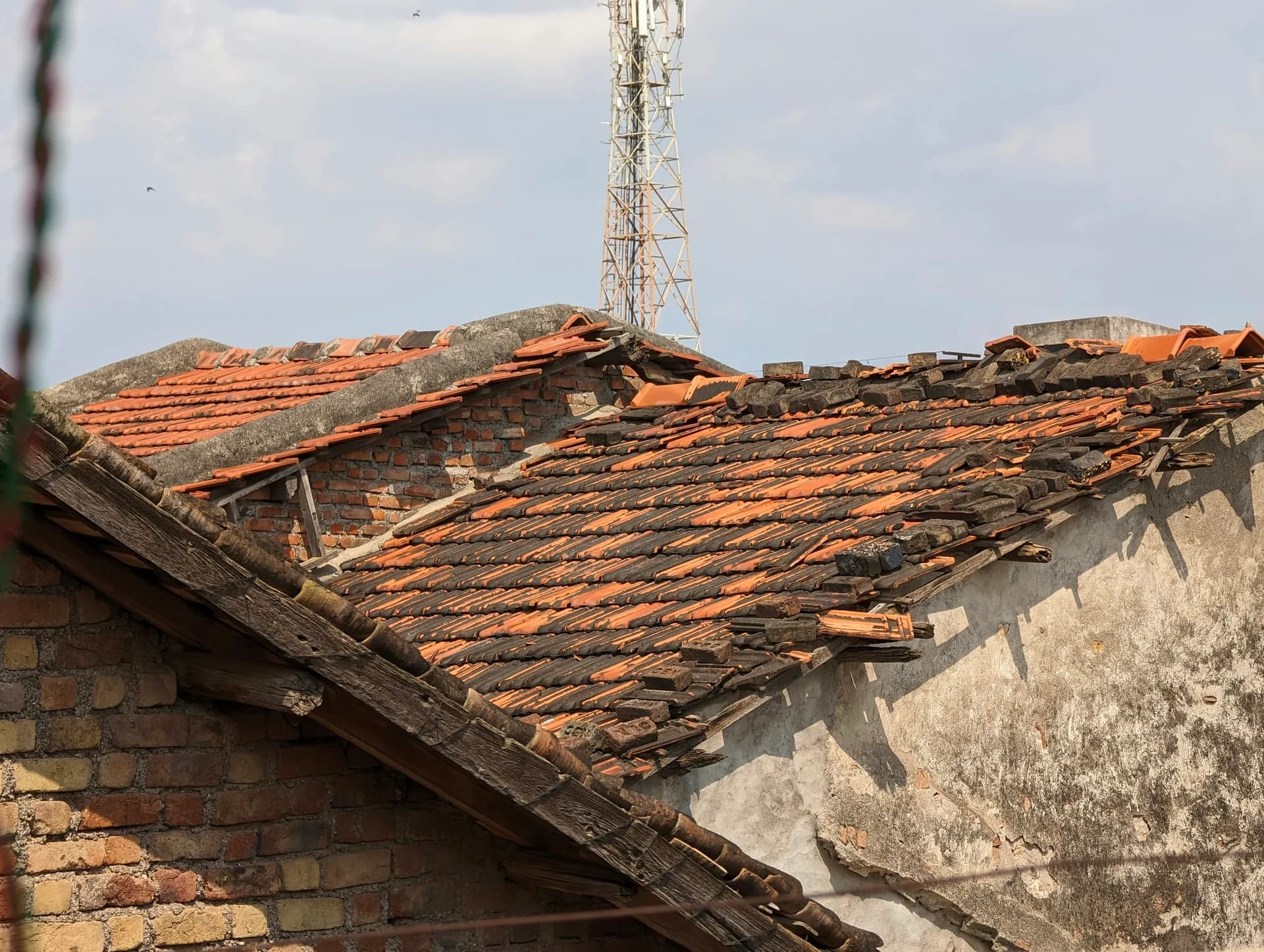
Replacement becomes necessary when hail strikes create three or more bruises per square foot across multiple roof sections, when wind removes shingles from 30% or more of the total roof area, or when the damaged sections span multiple roof planes making piecemeal repair visibly mismatched. Kentucky storms produce these patterns regularly during April through September severe weather season.
Hail bruising breaks down the mat structure inside asphalt shingles even when the surface looks intact. A roof inspector identifies bruising by pressing the shingle surface and feeling for soft spots where the underlying fiberglass mat has fractured. Once bruising density crosses three impacts per square foot, the remaining shingle lifespan drops to 2–4 years regardless of the shingle's original warranty period.
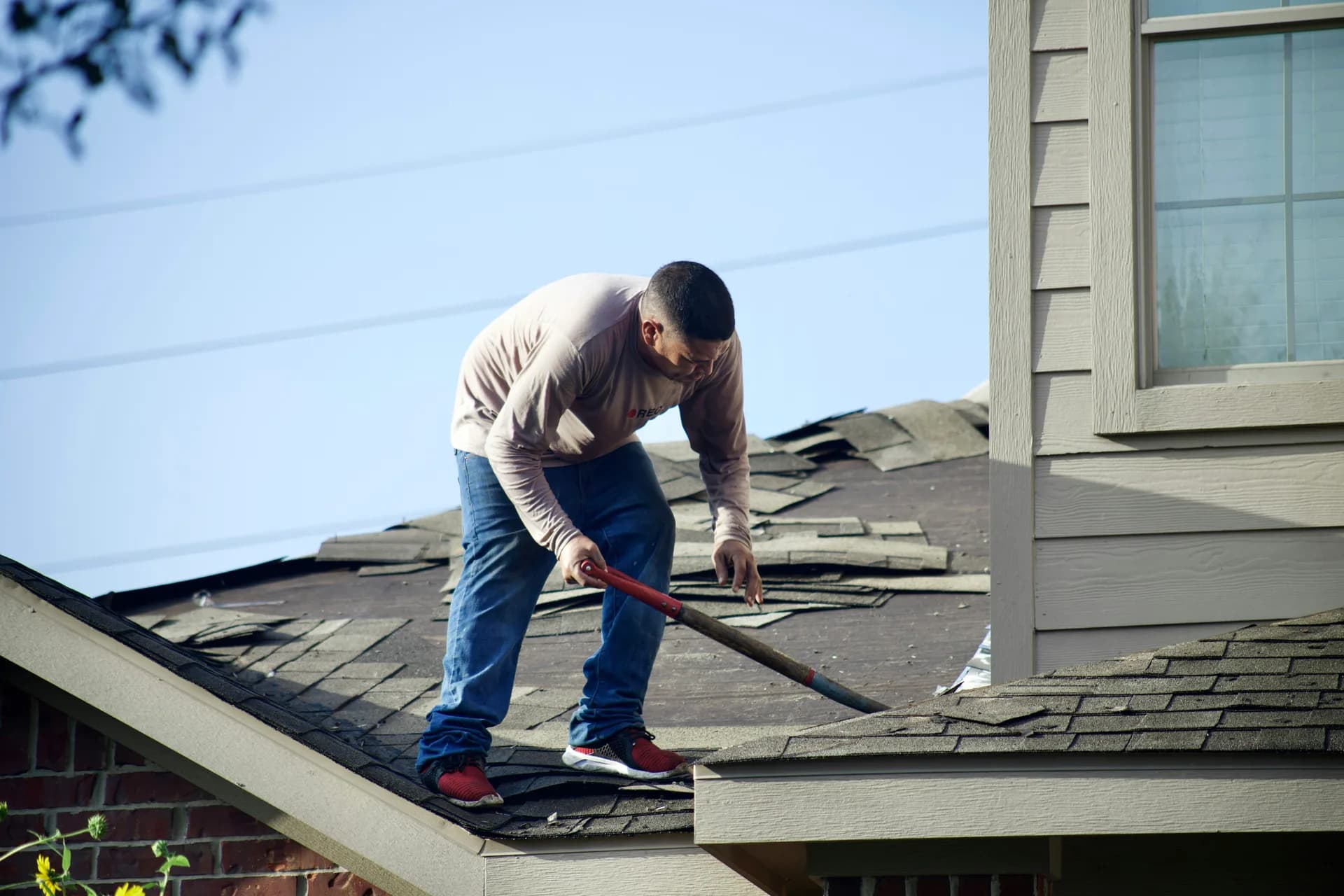
Wind damage that removes full shingles rather than just lifting edges creates exposure risk and typically indicates underlying attachment failure across broader sections than the visible loss suggests. If wind removed shingles from your front slope and both side planes, replacement addresses the systemic attachment problem repair cannot fix.
How Do Kentucky Insurance Adjusters Decide Repair vs Replacement?
Most Kentucky property insurers use a damage threshold of 8–10 hail strikes per 10x10 test square to approve full replacement rather than repair. Adjusters photograph and count visible hail impacts within marked test squares on multiple roof planes, then calculate whether damage density meets carrier-specific replacement criteria.
Carriers also evaluate whether repair would create aesthetic mismatch severe enough to justify replacement under policy language covering "uniform appearance." A roof where storm damage requires replacing the entire south-facing slope but leaves the north slope untouched may qualify for full replacement if the shingle product line has been discontinued or if weathering difference between old and new sections would be immediately visible from street level.
The adjuster's initial assessment drives the claim decision, but Kentucky homeowners can request re-inspection if they disagree with damage density counts or believe the adjuster missed secondary damage like ridge cap loss or flashing separation. Hiring a HAAG-certified independent inspector before the carrier inspection creates documentation for dispute if the carrier's count seems low.
What Does Storm Damage Roof Replacement Cost in Kentucky?
Full asphalt shingle replacement after storm damage runs $8,500–$16,000 for a typical 2,000 square foot ranch in Kentucky, with costs rising to $18,000–$28,000 for two-story homes with steeper pitch or multiple roof planes. These ranges assume mid-grade architectural shingles, removal of one existing layer, and standard deck repairs under 15% of total area.
Impact-resistant shingles rated Class 4 add $1,800–$3,200 to project cost but qualify for insurance premium discounts of 10–25% in most Kentucky counties with high hail frequency. Jefferson, Fayette, Warren, and Boone counties see enough annual hail activity that the premium savings typically recover the upfront material cost within 5–7 years.
Estimates based on available industry data; individual project costs vary by roof size, pitch, material, and regional labor rates. Contractor availability tightens dramatically in the 4–8 weeks following widespread storm events like the March derecho systems that cross Kentucky most springs, which can push labor costs up 15–20% during peak demand periods.
Can You Repair Part of a Roof and Leave the Rest Intact?
Partial roof replacement works when storm damage concentrates on a single roof plane and the rest of the roof has at least 10 years of remaining lifespan based on shingle condition and installation date. A contractor removes and replaces only the damaged section, blending the new shingles into existing valleys and ridge lines.
This approach saves 40–60% compared to full replacement cost but creates two significant risks. Shingle manufacturers do not warranty partial replacements because thermal cycling and UV exposure cause color shift between old and new sections even when the product SKU matches exactly. Most partial jobs show visible color banding within 18–24 months.
Insurance claim payouts for partial replacement also get prorated based on the percentage of roof area replaced, which can leave homeowners covering a larger out-of-pocket portion than expected. If your entire roof is 15+ years old and storm damage affects even one section severely, replacement addresses both the immediate damage and the inevitable failure of the remaining aged sections within the next 3–5 years.
How Quickly Should You Replace a Storm-Damaged Roof in Kentucky?
Emergency tarping should happen within 48–72 hours of storm damage if shingles are missing or if you see daylight through the roof deck from inside the attic. Full replacement typically happens 3–8 weeks after the storm once the insurance claim processes and contractor schedules open up.
Kentucky's spring severe weather season from April through June creates claim backlogs that extend contractor lead times to 6–10 weeks in affected counties. Homeowners who file claims within 72 hours of a named storm event and who request multiple contractor estimates during the claims process position themselves earlier in the replacement queue than those who wait for the adjuster's final decision before contacting contractors.
Temporary tarping holds weather out for 60–90 days under normal conditions, but Kentucky summer thunderstorm activity and fall wind events mean tarps need inspection and re-securing every 3–4 weeks. A tarp is temporary loss mitigation, not a repair alternative. Leaving a tarp in place beyond 90 days risks secondary water damage to decking and framing that the insurance claim may not cover if the carrier argues you failed to mitigate promptly.
What Should You Look for When Vetting Kentucky Storm Damage Roofers?
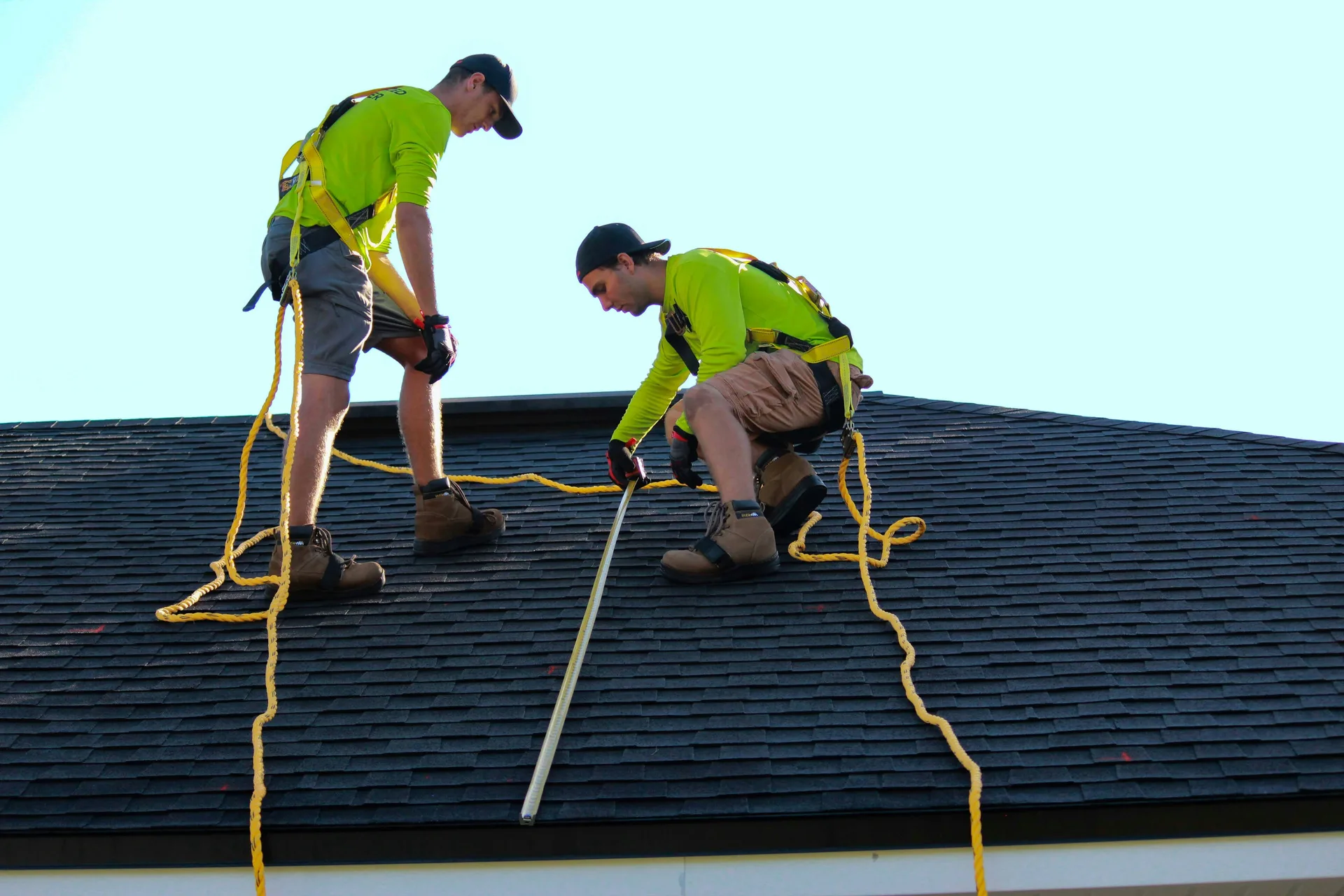
Licensed contractors in Kentucky carry a state contractor license issued by the Department of Housing, Buildings and Construction, which you verify by checking the license number against the state registry at khbc.ky.gov. Contractors working in Louisville, Lexington, or other municipalities with local licensing also need city-level permits, which you confirm with the local building department before signing a contract.
Storm-focused roofers should carry general liability coverage of at least $1 million per occurrence and workers compensation insurance covering all crew members. Request certificate of insurance directly from the contractor's insurance agent, not from the contractor, to confirm coverage is active and hasn't lapsed. Kentucky sees significant out-of-state contractor activity after major hail events, and insurance verification separates legitimate regional contractors from unlicensed storm chasers.
Contractors who pressure immediate signing, who offer to waive insurance deductibles, or who promise to inflate claim estimates to cover upgrade costs operate outside Kentucky insurance fraud statutes and create liability risk for the homeowner. A legitimate contractor provides a written estimate matching the insurance scope of work, explains any recommended upgrades as separate line items the homeowner pays, and schedules work based on realistic material lead times and crew availability rather than artificial urgency.