What Damage Threshold Requires Replacement Instead of Repair?
Roofs with 8–10 or more hail impacts per 100 square feet require replacement because scattered damage compromises shingle integrity across the entire roof plane. Insurance adjusters in New Mexico use this density threshold to distinguish localized repair from full replacement claims. A single ridge vent torn off by wind qualifies for repair; widespread granule loss and shingle bruising across multiple roof planes does not.
Hail diameter matters as much as impact density. Hail 1 inch or larger cracks the asphalt mat beneath granules, reducing shingle lifespan even when surface damage looks minor. New Mexico sees 1–2 inch hail in Albuquerque, Rio Rancho, and Las Cruces during spring and summer convective storms. Wind gusts above 60 mph during monsoon season lift shingle tabs and expose nail lines, creating entry points for water intrusion that spreads beyond the visible damage zone.
Repair works when damage is localized to a single roof plane or feature. Ridge cap replacement, flashing repair around chimneys, or patching a small wind-torn section costs $800–$2,500 depending on access and material matching. Replacement becomes necessary when multiple roof planes show impact damage, when shingles are near or past their warranty midpoint, or when granule loss exceeds 30% across any single plane.
How Does New Mexico Storm History Affect the Replace vs Repair Decision?
New Mexico records 30–50 hail days annually in central and northern counties, with Bernalillo, Sandoval, and Santa Fe counties seeing the highest frequency. Roofs older than 12 years that survive a major hail event often fail within 18–24 months due to cumulative granule loss and mat deterioration. Replacing after the first major storm event makes more sense than repairing and waiting for the next hail season.
Monsoon season runs June through September, bringing microbursts with wind speeds exceeding 70 mph in Albuquerque and Las Cruces. These wind events lift shingle tabs installed before 2011 wind rating standards took effect. If your roof predates the 2011 code cycle and shows wind damage, replacement with ASTM D3161 Class F or D7158 Class H rated shingles reduces future storm loss. Repair on an older roof means the next wind event will likely cause similar damage to adjacent sections.
The state's high UV exposure at elevations above 4,000 feet accelerates shingle aging. A 15-year-old roof in Albuquerque has the effective age of a 20-year roof in lower-elevation humid climates. Post-storm damage on a roof past its warranty midpoint should trigger replacement rather than repair, because the remaining service life is too short to justify repair costs.
What Does Storm Damage Roof Replacement Cost in New Mexico?
Full asphalt shingle replacement on a 2,000 square foot ranch-style home in Albuquerque costs $9,000–$16,000 depending on shingle grade and roof pitch. Impact-resistant Class 4 shingles add $1,500–$3,000 to total project cost but qualify for insurance discounts of 15–35% on premiums in hail-prone ZIP codes. Replacement costs in Santa Fe and Taos run 10–15% higher due to steeper roof pitches common in regional architecture and limited contractor density.
Material choice drives cost variance. Three-tab shingles cost $3.50–$4.50 per square foot installed; architectural shingles run $4.50–$6.00 per square foot; Class 4 impact-resistant shingles cost $5.50–$7.50 per square foot. Most storm damage claims in New Mexico settle with architectural or impact-resistant grades because insurers recognize the hail exposure. Flat or low-slope sections on commercial or pueblo-style residential roofs require TPO or modified bitumen, which costs $6–$9 per square foot installed.
Repair costs seem lower initially but add up when damage recurs. Replacing 40 square feet of wind-damaged shingles costs $800–$1,200. If the next storm damages a different section six months later, you've spent $2,000 on repairs while the underlying roof continues aging. Insurance carriers in New Mexico increasingly deny repeated repair claims on roofs over 15 years old, pushing homeowners toward replacement after the second event. Estimates based on available industry data; individual project costs vary by roof size, pitch, material, and regional labor rates.
Which Roofing Materials Handle New Mexico Storm Conditions Best?
Class 4 impact-resistant asphalt shingles with a UL 2218 rating survive 2-inch hail strikes without cracking the asphalt mat. GAF Timberline HDZ, CertainTeed Landmark IR, and Owens Corning Duration Storm shingles meet this standard and carry transferable warranties that add resale value. These shingles cost 20–30% more than standard architectural grades but reduce claim frequency in counties with annual hail exposure.
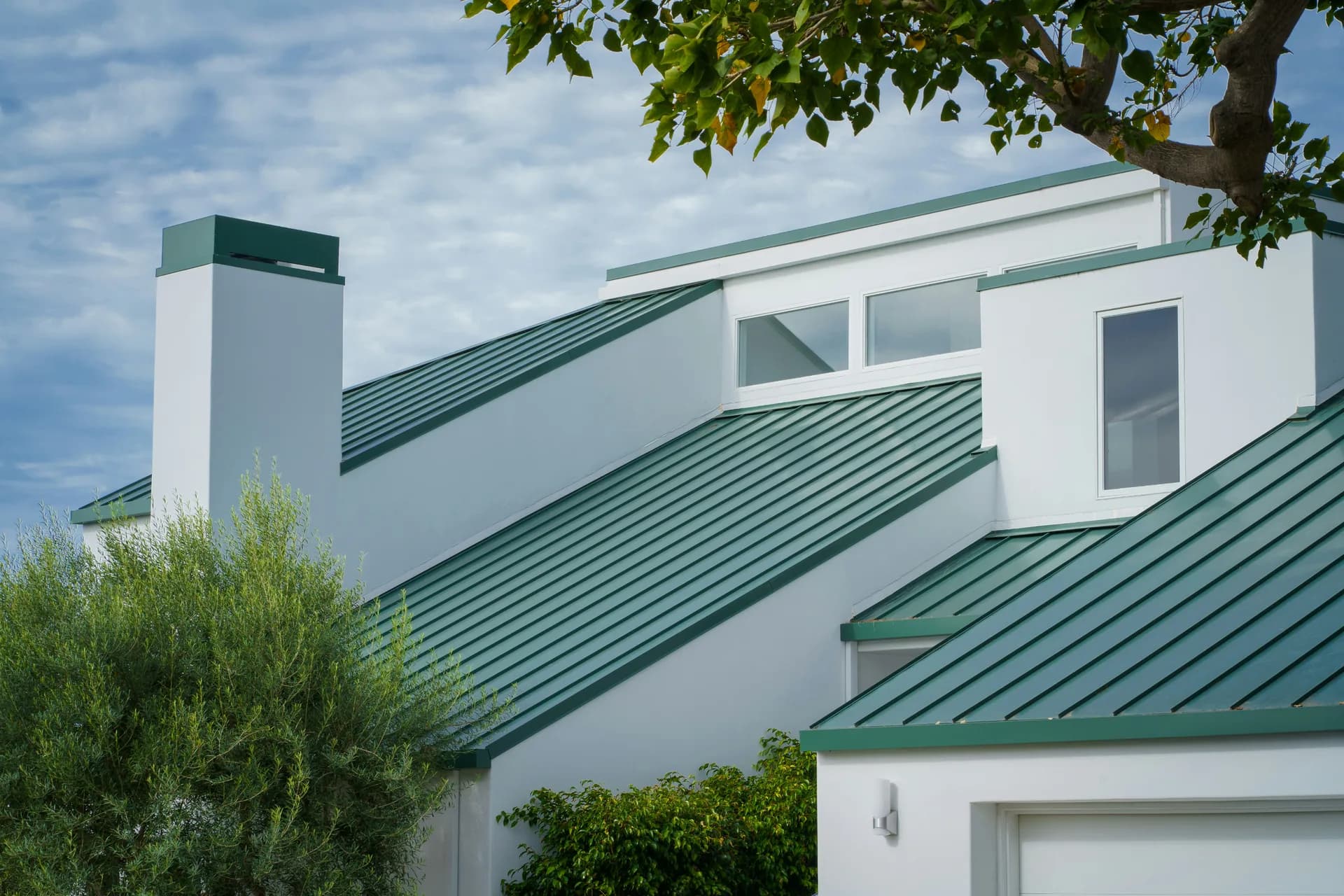
Metal roofing performs well in high wind zones but dents under large hail. Standing seam metal roofs withstand 90+ mph wind gusts common during monsoon microbursts and reflect solar heat, reducing cooling loads in Albuquerque and Las Cruces. Hail denting is cosmetic on metal and doesn't compromise waterproofing, but visible dents bother homeowners. Metal roof replacement costs $10–$16 per square foot installed, roughly double the cost of impact-resistant shingles.
Clay and concrete tile roofs are common in Santa Fe and southern New Mexico but crack under hail impact. Tile performs exceptionally well in wind and UV exposure but requires replacement of individual units after hail storms. Tile roofs cost $12–$20 per square foot installed and require structural support upgrades on older homes not designed for the added weight. Repair involves replacing cracked tiles; replacement involves full tear-off and often roof deck reinforcement.
How Do You Verify Storm Damage Before Deciding on Replacement?
Hire a HAAG Certified Inspector or an adjuster with IICRC certification to document impact density, granule loss percentage, and shingle seal integrity. These inspectors photograph damage with reference markers, measure impact spacing, and produce reports insurers accept without dispute. Inspection costs $300–$600 in Albuquerque and Rio Rancho; the report becomes your claim documentation and your basis for deciding repair versus replacement.
Check for hail bruising on shingle surfaces by running your hand across the plane. Bruised shingles feel soft or spongy where hail compressed the asphalt mat. Granule loss shows as dark or shiny spots where the protective coating is gone. Inspect north-facing slopes first because they retain moisture longer and show water intrusion damage more clearly. If granule loss exceeds 30% on any plane or if bruising covers more than 10% of total roof area, replacement is the correct decision.
Document damage immediately after a named storm event. New Mexico insurers require claims within 12 months of the loss date for wind and hail. Waiting reduces your leverage and allows secondary damage from water intrusion to develop, which insurers may exclude as maintenance-related rather than storm-caused. Photograph damage from ground level and note the storm date, then schedule a professional inspection within two weeks.
What Should You Look for When Hiring a Replacement Contractor?
Verify the contractor holds a local business license in your municipality and carries general liability insurance with limits of at least $1 million per occurrence. New Mexico does not require state-level roofing contractor licensing, so city and county licenses are your primary verification point. Albuquerque, Santa Fe, and Las Cruces require contractor registration with the city clerk; confirm registration status before signing a contract.
Ask for references from projects completed in the last 12 months in your county. Storm damage creates contractor demand surges, and out-of-area contractors arrive after every major hail event. Out-of-area contractors are not inherently problematic, but verify they pull permits locally and use local suppliers for material warranty support. A contractor based in Texas who sources materials from an Albuquerque supplier can provide better warranty service than a local contractor who uses out-of-state distributors.
Avoid contractors who offer to waive your insurance deductible or who guarantee claim approval. Deductible waiver is insurance fraud under New Mexico law. Claim approval depends on adjuster findings, not contractor promises. The contractor's role is to document damage accurately, provide a detailed scope of work, and complete the replacement to code. Red flags include knocking on doors immediately after a storm, requesting full payment upfront, or pressuring you to sign before you review the contract.