What Damage Threshold Triggers Replacement Instead of Repair?
Damage across 30% or more of your roof surface almost always justifies full replacement over repair. Insurers in North Dakota commonly total a roof claim when repair estimates hit 40% of replacement cost, which on a typical 2,000 square foot home runs $3,200 to $7,200 depending on material and pitch.
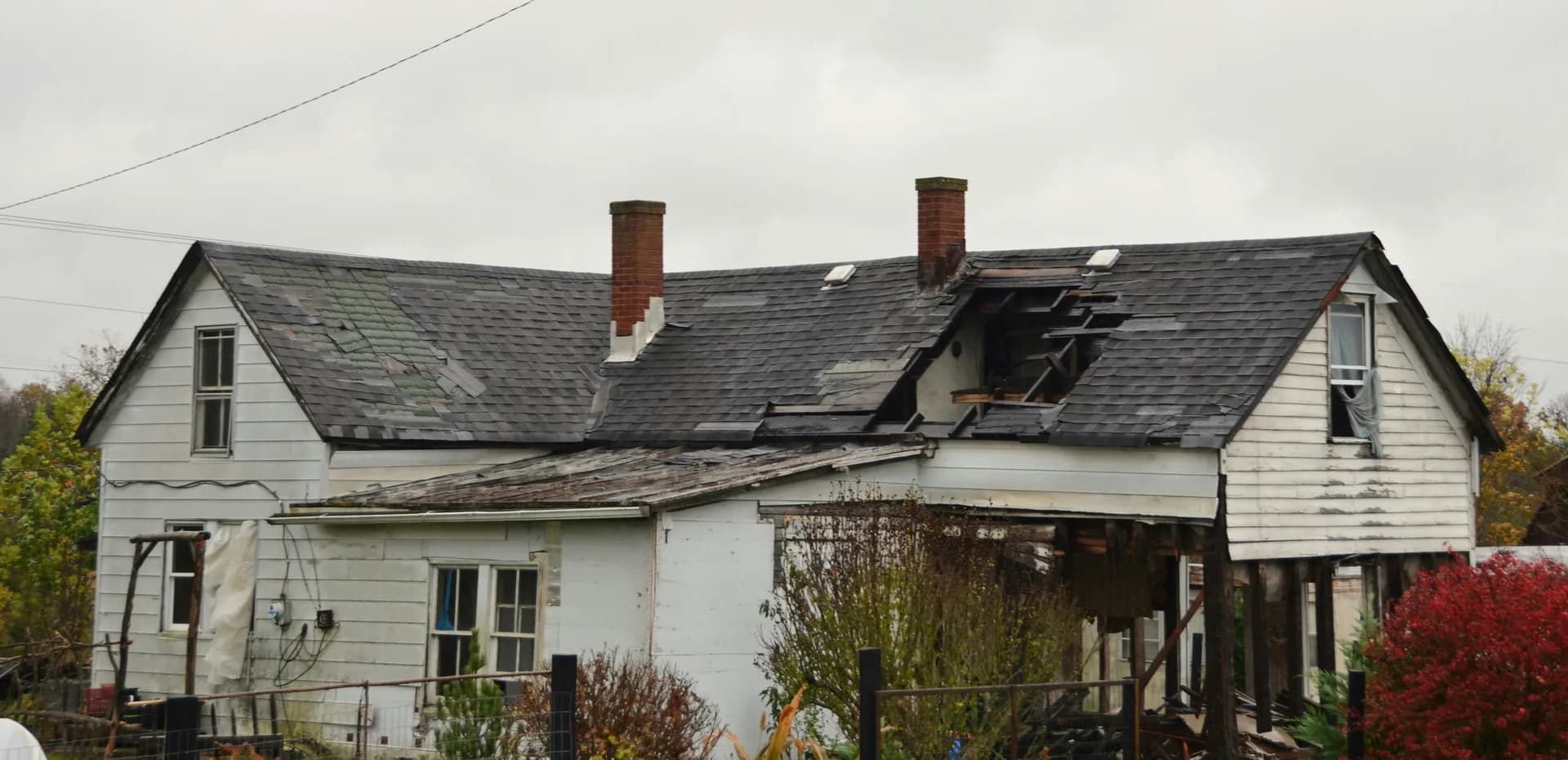
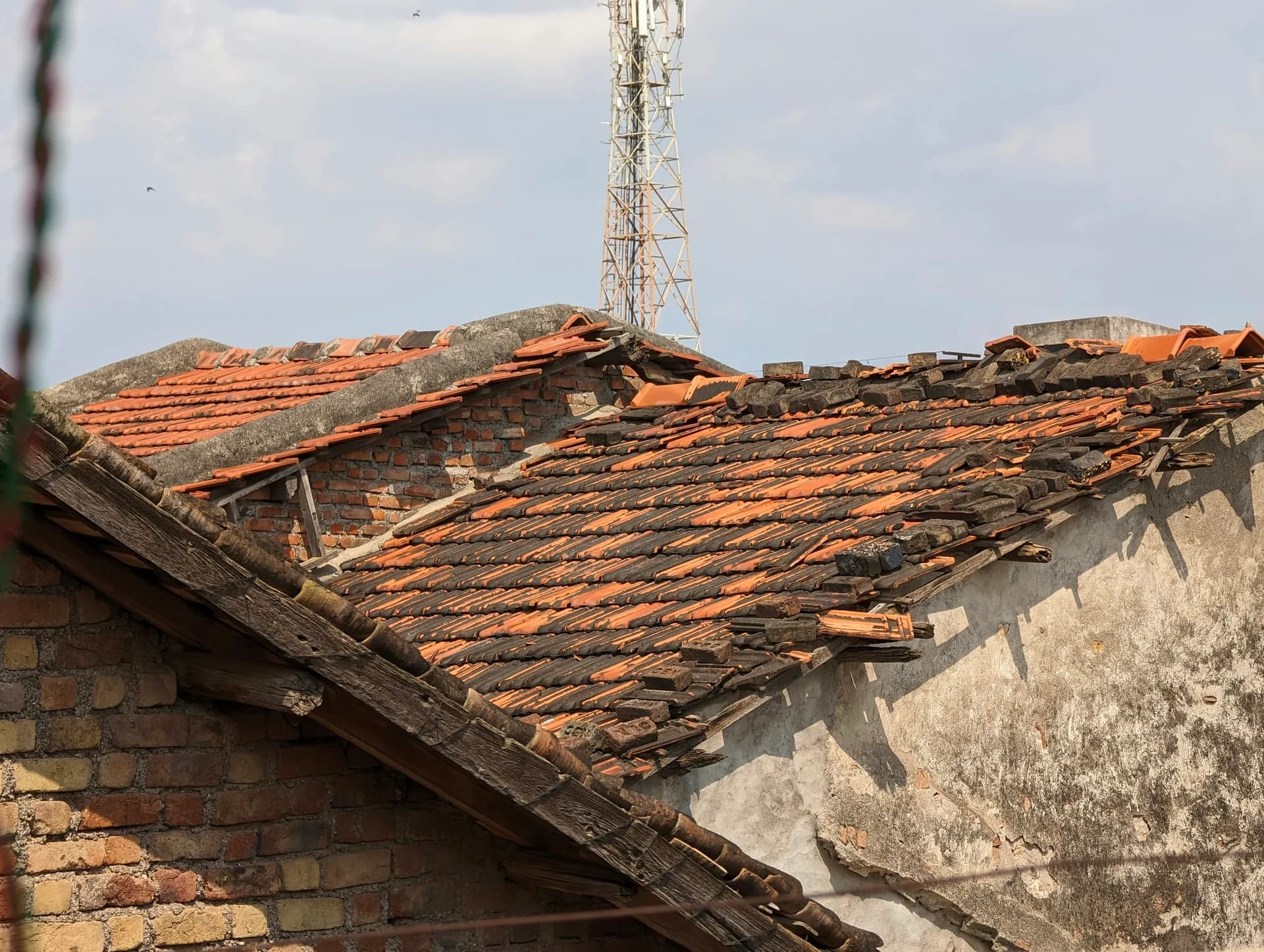
Structural deck damage from wind uplift or ice dam water infiltration pushes the decision toward replacement even if shingle damage looks limited. A compromised deck requires tear-off to assess and repair underlying plywood or OSB, which eliminates the labor savings of a patch job.
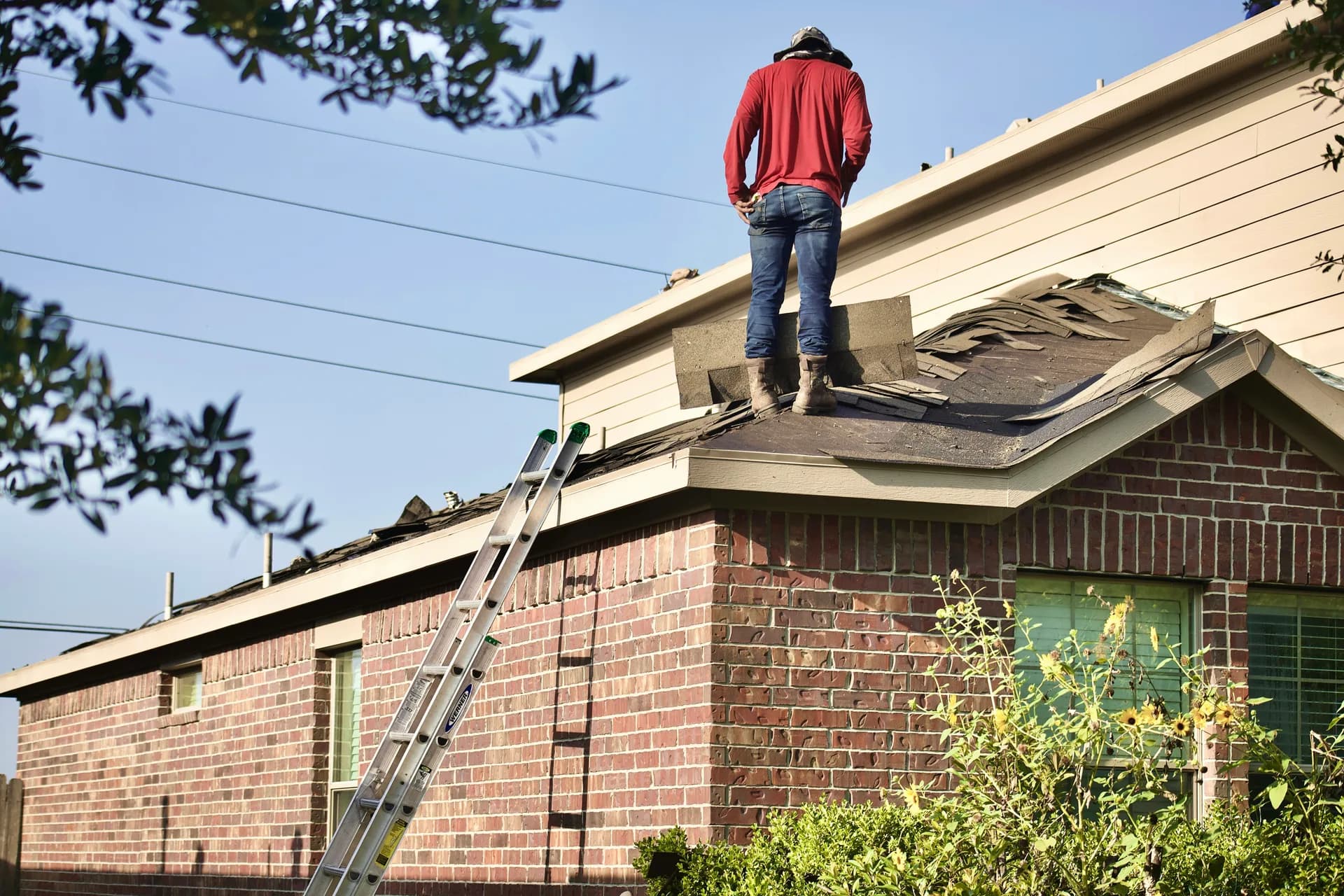
Isolated damage under 20% of roof area—like a single slope with hail bruising or a small section of wind-torn shingles—can be patched if the rest of the roof has at least five years of serviceable life left. Patching a roof already 15 years into its expected lifespan means you'll likely replace the whole system within three years anyway, wasting the repair investment.
How Does North Dakota's Storm History Affect the Repair vs Replace Calculation?
North Dakota sits in the northern hail belt, with the central and eastern counties—Cass, Grand Forks, Stutsman, Barnes—recording 3 to 6 significant hail events per year. Repeated hail exposure over multiple storm seasons creates cumulative granule loss and mat bruising that isn't always visible from the ground but shortens remaining roof life.
A roof that survives one hail storm with repairable damage may fail inspection after a second event two years later, because the first storm's hidden bruising accelerated aging. Adjusters look for granule loss percentages and shingle flexibility during post-storm inspections; a roof showing 40% granule loss after this season's storm likely had 20% loss from prior events.
Winter wind in the Red River Valley and along the Missouri Plateau regularly hits 50 to 70 mph, lifting edge shingles and tearing flashing. Wind damage often appears minimal until the next rain reveals multiple leak points where seal strips failed. If wind has compromised seals across more than one roof plane, replacement becomes the only reliable fix.
What Are the Real Cost Differences Between Repair and Replacement in North Dakota?
Emergency repair for localized storm damage in North Dakota runs $800 to $2,500 depending on access, pitch, and whether temporary tarping is needed. Full asphalt shingle replacement on a standard 2,000 square foot ranch costs $8,000 to $18,000; impact-resistant shingles add $1,500 to $3,000 to that range.
Repair costs climb fast when contractors discover hidden damage during patch work. A quote for $1,200 in shingle replacement can double once deck rot or truss damage becomes visible, leaving you with a half-finished repair and a bill approaching replacement cost.
Insurance claim reimbursement heavily favors replacement when damage is widespread. North Dakota carriers typically cover actual cash value for repairs but replacement cost value for total losses, meaning a homeowner choosing repair on a borderline claim may receive 60% reimbursement while a replacement claim pays 90% after depreciation recovery. Estimates based on available industry data; individual project costs vary by roof size, pitch, material, and regional labor rates.
How Do You Identify Whether Structural Damage Requires Replacement?
Structural damage shows up as sagging rooflines, interior ceiling stains in multiple rooms, or visible light through attic decking. These signs mean the roof deck or truss system has failed, and no amount of shingle patching will solve the problem.
A contractor inspection after a severe wind or snow load event should include attic access to check for truss uplift, deck delamination, and rafter splits. North Dakota's heavy snow loads—30 to 50 pounds per square foot in the northern tier—can crack underlayment and shift decking even when shingles look intact.
If an adjuster documents deck damage in their claim report, replacement is the only code-compliant path forward. Patching over compromised decking violates most municipal building codes and voids manufacturer warranties on the shingles.
What Material Upgrades Make Sense During Storm-Driven Replacement?
Impact-resistant shingles rated Class 4 by UL 2218 testing reduce future hail damage and qualify for insurance discounts of 15% to 30% in North Dakota. GAF Timberline HDZ, CertainTeed Highland Slate IR, and Owens Corning Duration Storm carry Class 4 ratings and perform well in the state's wind and freeze-thaw cycles.
Upgrading to architectural shingles from three-tab adds $1.50 to $2.50 per square foot but extends expected lifespan from 20 years to 30 years, which matters in a state where the next hail event is statistically likely within five years. The longer warranty period also improves resale value.
Synthetic underlayment instead of felt paper adds $300 to $600 to total project cost but handles North Dakota's temperature swings without cracking. Felt degrades in freeze-thaw cycles; synthetic underlayment maintains integrity through −30°F winters and 100°F summer attic temperatures.
How Do You Vet Contractors After a Major Storm Event in North Dakota?
Licensed local roofing contractors with a verifiable business address in your county or an adjacent county are the safest choice after a widespread storm. Out-of-state crews flood North Dakota after hail events, and while not all are scammers, many lack familiarity with local permit requirements and leave before warranty issues surface.
Check that the contractor carries an active general liability policy with at least $1 million coverage and workers' compensation insurance filed with the North Dakota Workforce Safety and Insurance agency. Request certificates of insurance directly from the carrier, not printed copies from the contractor.
Ask for references from projects completed in the past 12 months within 50 miles of your home. A contractor who has worked through a Bismarck winter or handled wind claims in Grand Forks knows the region's material and installation requirements. Avoid any contractor who offers to waive your insurance deductible or promises to negotiate directly with your carrier without your involvement—both are red flags for claim inflation schemes.