What Damage Threshold Requires Full Roof Replacement in Ohio?
Replace your roof when 30% or more of the surface shows hail bruising, wind-lifted shingles, or missing granules—repair is viable only for isolated damage affecting less than 25% of one slope. Insurance adjusters in Ohio use the 30% threshold because widespread hail impact compromises shingle mat integrity across the entire roof, not just visible dents. Wind speeds above 60 mph during Ohio derechos and tornadoes break the sealant bond on architectural shingles, creating uplift points that leak within months even if the shingle looks intact from the ground.
Hail larger than 1 inch—common in May and June storms across central Ohio counties—leaves bruising on the shingle underside that you won't see without climbing up. These bruises fracture the asphalt mat and accelerate granule loss, shortening your roof's lifespan by 5 to 10 years. A single severe hailstorm in Franklin, Delaware, or Licking County can render a 10-year-old roof functionally obsolete, even if only 40% of shingles show visible dents.
Repair makes sense when damage clusters in one area—a fallen tree limb, isolated wind uplift on a ridge cap, or localized hail on a north-facing slope. If an adjuster marks damage across multiple slopes or finds cracked sealant strips on more than a dozen shingles, replacement is the only fix that restores manufacturer warranty coverage and prevents recurring leaks.
How Do Ohio Storm Patterns Affect Replacement vs Repair Decisions?
Ohio averages 19 tornadoes per year and experiences derechos with 80+ mph straight-line winds every 2 to 3 years, making wind uplift the leading cause of roof replacement in the state. These wind events peel back shingle edges, tear off ridge caps, and expose underlayment across entire roof sections—damage that can't be spot-repaired without creating mismatched wear patterns. Hailstorms hit hardest from April through June, with central and southwestern Ohio counties reporting golf ball–sized hail multiple times per decade.
The 2012 derecho that crossed Ohio left wind damage across 15 counties in a single afternoon, replacing thousands of roofs that showed no hail impact but had sealant failure on every slope. Derechos generate sustained winds that test every shingle's adhesive strip simultaneously, so even a roof with 5 years of life left can fail inspection after one event. If your roof was installed before 2015 and sustained wind damage in a recent storm, replacement is usually more cost-effective than repair because the remaining shingles are already halfway through their lifespan.
Hail frequency varies by region—Columbus and Dayton see more severe hail than Cleveland or Cincinnati—but a single 2-inch hailstone can crack the decking beneath asphalt shingles, requiring both shingle and substrate replacement. Storm history matters because repeated minor hail events weaken shingle granules cumulatively, so a roof that survived a 2020 storm may fail after a smaller 2024 event.
What Does Roof Replacement Cost After Storm Damage in Ohio?
Full asphalt shingle replacement in Ohio costs $8,500 to $19,000 for a typical 2,000 square foot home, with hail-resistant impact-rated shingles adding $1,500 to $3,000 to the total. Estimates based on available industry data; individual project costs vary by roof pitch, number of layers removed, and whether decking replacement is required. Steep-pitch roofs and homes with multiple valleys or dormers push costs toward the upper range because they require more labor hours and safety equipment.
Storm damage replacement often includes decking repair—water infiltration from missing shingles rots OSB sheathing within weeks, and Ohio's humid summer climate accelerates decay. Budget an additional $2 to $4 per square foot for decking replacement if the adjuster identifies soft spots or visible mold during inspection. Insurance covers storm damage minus your deductible, but you pay out of pocket for any pre-existing wear or code upgrades required by your municipality.
Material choice affects replacement cost and storm durability. GAF Timberline HDZ shingles with a Class 4 impact rating cost about 15% more than standard architectural shingles but qualify for insurance discounts in hail-prone counties and carry a 25% longer lifespan after storm exposure. Metal roofing runs $12,000 to $28,000 for the same square footage but withstands hail and wind better than any asphalt product, making it a one-time investment in tornado-prone areas like west-central Ohio.
How Do You Identify Hidden Storm Damage That Requires Replacement?
Climb into your attic after an Ohio storm and look for daylight through the roof deck, water stains on rafters, or wet insulation—these signs indicate shingle failure that requires full replacement, not repair. Hail bruising on shingle surfaces shows as dark spots or circles where granules compressed into the asphalt mat, but the most destructive damage hides on the shingle underside where the impact fractured the fiberglass mat. You won't see this from the ground, and it won't leak immediately, but it guarantees shingle failure within 2 to 4 years.
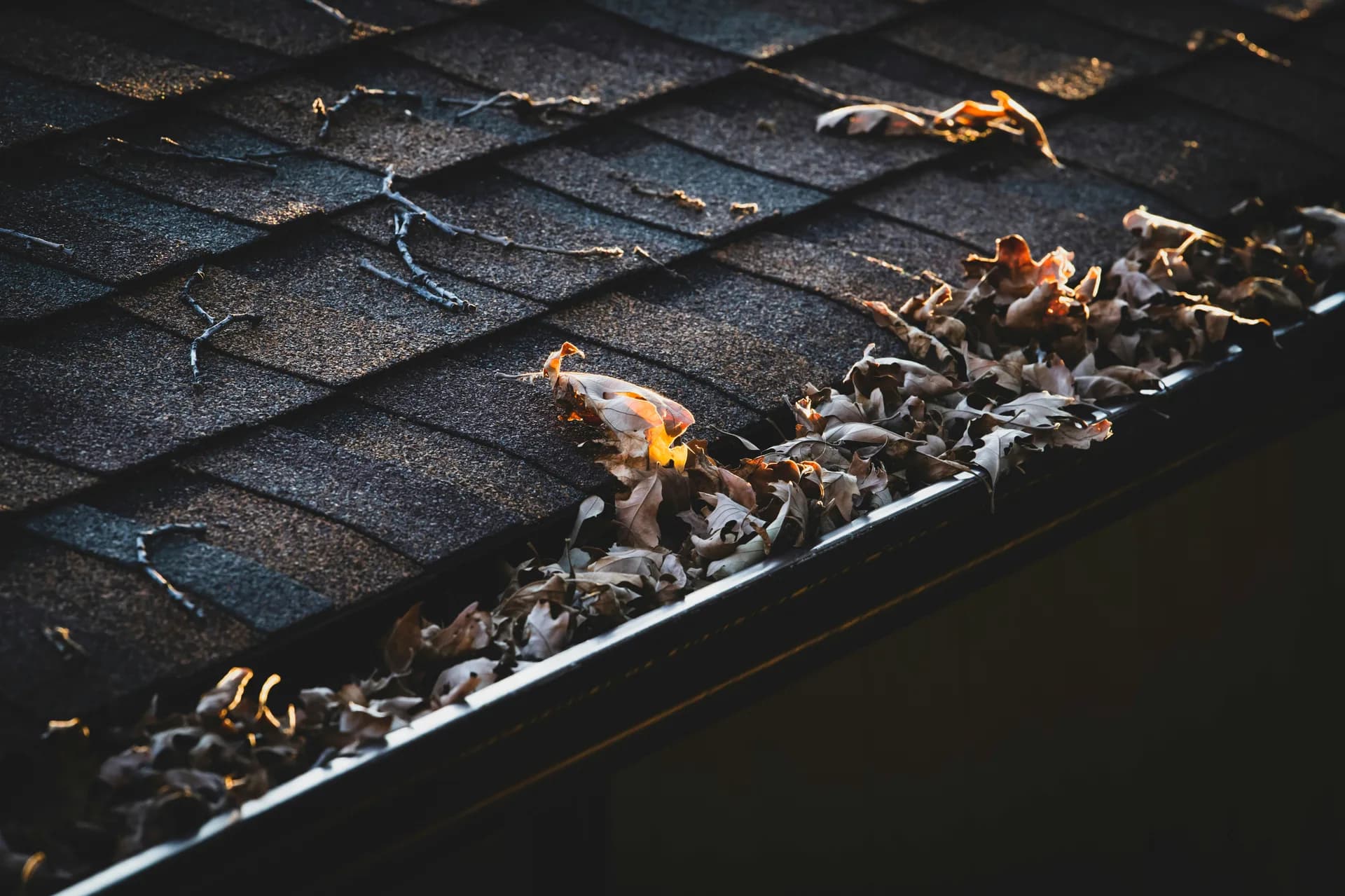
Check your gutters for excessive granule accumulation—a handful of granules is normal wear, but if you're scooping out cups of granules after a storm, the hail stripped your shingles' protective layer and exposed the asphalt base. Granule loss accelerates UV degradation and makes shingles brittle, so a roof that loses 30% of its granules in one storm needs replacement even if the shingles still lie flat. Walk your property and photograph any shingle tabs lying in the yard, missing ridge caps, or exposed nail heads—these document wind damage for your insurance claim.
Hire a HAAG-certified inspector if your insurance adjuster denies your claim or marks damage as pre-existing wear. HAAG inspectors use core samples and moisture meters to differentiate storm impact from aging, and their reports carry weight in claim disputes. Wind damage often shows as horizontal crease marks on shingle surfaces where uplift bent the tab, and these creases leak within one heating-cooling cycle as the shingle expands and contracts.
What Contractor Vetting Steps Matter Most for Storm Replacement in Ohio?
Verify that any contractor bidding your storm replacement holds a valid business license in your Ohio municipality and carries $1 million in general liability insurance plus workers' compensation coverage—ask for certificates and call the insurer to confirm active policies. Ohio does not require state-level roofing licenses, so licensing authority sits with cities and counties. Out-of-area contractors flood Ohio after major storms, and many disappear before warranty claims arise, leaving you with no recourse for defective work.
Request references from projects completed 2 to 5 years ago in your county, then drive by those addresses to see how the roofs held up. A contractor with local longevity has a reputation to protect and won't use substandard materials or skip flashing details that cause leaks. Check the Better Business Bureau and Ohio Attorney General's consumer complaint database for unresolved disputes, and avoid any contractor who demands full payment upfront or pressures you to sign before your insurance adjuster completes the claim.
Ask whether the contractor is a GAF Master Elite or CertainTeed SELECT ShingleMaster—these certifications require proof of licensing, insurance, and installation training, and they unlock enhanced manufacturer warranties that cover labor, not just materials. A Master Elite contractor can offer a 50-year non-prorated warranty on GAF systems, compared to the 10-year coverage you get with a standard installer. Storm-focused contractors should also have relationships with local adjusters and understand Ohio's claim timelines, which typically require completion within 180 days of approval.
When Does Repair Make Sense Instead of Full Replacement?
Repair your roof when storm damage affects less than 25% of one slope, the remaining shingles have at least 10 years of expected life, and no decking damage exists beneath the impact zone. A fallen tree limb that damages 15 shingles on a south-facing slope can be repaired by replacing the affected area and blending in new shingles that match your existing color and profile. Insurance covers isolated repairs if your adjuster documents the damage as storm-related, and repair costs run $800 to $2,500 depending on accessibility and material matching.
Ridge cap replacement qualifies as repair even when wind removes caps along the entire ridge line, as long as the field shingles below remain intact and properly sealed. Ridge caps take the most wind stress, and replacing them after a derecho restores your roof's weatherproofing without touching the main slopes. This repair costs $4 to $8 per linear foot and takes 1 to 2 days for a typical gable roof.
Flashing repair around chimneys, skylights, or roof-wall intersections is another scenario where targeted work beats full replacement. Wind-driven rain during Ohio storms often infiltrates through lifted step flashing or cracked counterflashing, and replacing these metal components stops leaks without disturbing shingles. If your roof is under 8 years old and only the flashing failed, repair is the cost-effective choice—but if the adjuster finds concurrent shingle damage or decking rot, you're back in replacement territory.