What Percentage of Damage Triggers Replacement Instead of Repair?
Damage covering 30% or more of your roof area makes replacement the only practical option. Insurance carriers use this threshold because patchwork repairs on that scale create mismatched shingle weathering, void manufacturer warranties, and leave weak points across the structure. Pennsylvania hail storms often produce scattered impact patterns that look repairable from the ground but exceed 30% when inspected from the roof deck.
Roofs under 10 years old with localized damage under 20% are good repair candidates if the same shingle color and series are available. Anything between 20% and 30% depends on shingle age, availability of matching materials, and whether the damage concentrates in one area or spreads across multiple slopes.
A licensed inspector measures damage by counting affected shingles, not by estimating from curb appeal. Hail bruising on asphalt shingles does not always show immediate cracking but compresses the mat enough to accelerate granule loss and UV degradation over the next 12 to 24 months.
How Does Roof Age Change the Repair vs Replacement Decision?
A roof over 15 years old with any documented storm damage should be replaced, not repaired. Asphalt shingles rated for 20 to 30 years lose flexibility and impact resistance after year 12, making them vulnerable to secondary damage during repairs and unable to bond properly with new materials. Pennsylvania's freeze-thaw cycles accelerate this brittleness in older shingles.
Roofs between 10 and 15 years old fall into a judgment zone. If storm damage is minimal and confined to one slope, repair works if matching shingles are available and the rest of the roof shows no granule loss, curling, or cracking. If the undamaged sections already show wear, replacement avoids a second project within five years.
Manufacturer warranties void when you mix old and new shingles on the same roof plane. Most carriers will not cover future storm damage on a roof where partial replacement created an age mismatch across the deck.
What Types of Storm Damage in Pennsylvania Require Full Replacement?
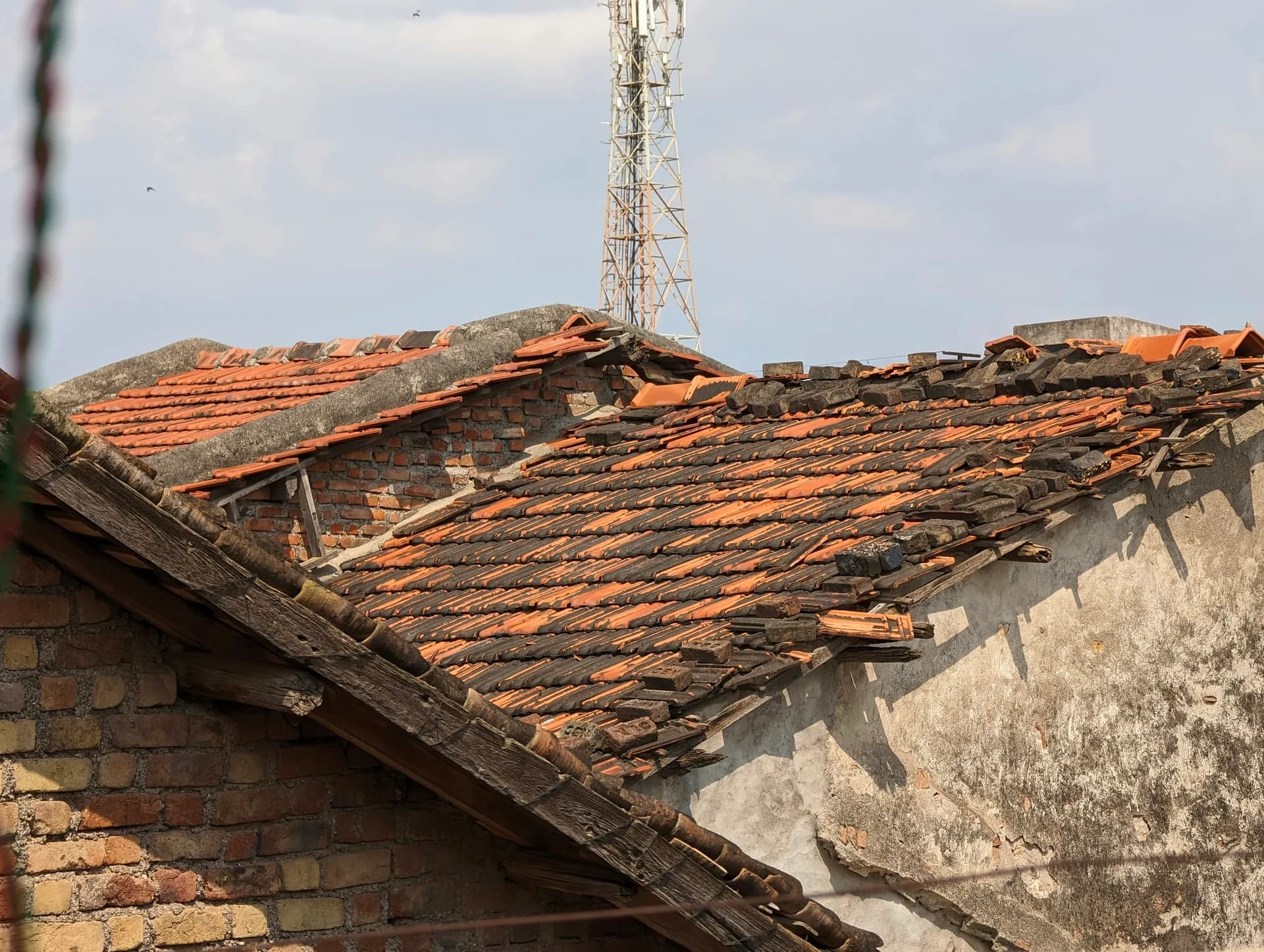
Wind uplift that exposes roof deck or tears shingles completely off requires replacement of the affected slope and often the entire roof. Pennsylvania wind storms regularly hit 60 to 80 mph during severe thunderstorms and nor'easters, creating suction forces that rip shingles from perimeter edges and ridge lines. Once underlayment is exposed, water infiltration begins immediately.
Hail larger than one inch in diameter causes mat compression invisible from the ground but detectable by a HAAG-certified inspector. This bruising does not heal. Granules loosen within months, UV protection disappears, and the shingle fails before its rated lifespan. Widespread hail bruising across two or more roof planes is a replacement trigger even if no shingles are cracked yet.
Ice dam damage along eaves that creates interior leaks means the underlayment and possibly the decking are compromised. Repairing the shingles alone does not address rot or mold in the sheathing. Pennsylvania's winter freeze-thaw cycle makes ice dams common on roofs with poor attic ventilation or inadequate insulation, and the damage pattern extends beyond what surface inspection reveals.
How Do Pennsylvania Permit and Insurance Rules Affect the Decision?
Most Pennsylvania municipalities require permits for roof replacements but not for repairs under 100 square feet. A replacement project triggers inspection requirements, which catch underlying deck damage, ventilation deficiencies, and code violations that a patch job would leave unaddressed. Repair work avoids the permit process but also avoids the inspection that would document hidden damage for your insurance claim.
Insurance carriers in Pennsylvania use Actual Cash Value or Replacement Cost Value policies. ACV pays depreciated value, which rarely covers full replacement on a roof over 10 years old. RCV pays full replacement cost after the work is complete. If your roof qualifies for replacement under storm damage, filing the claim as replacement rather than repair maximizes payout and avoids fighting the carrier later when a patched roof fails again.
Contractors licensed in Pennsylvania cannot legally advise you to avoid permits, but many homeowners attempt DIY repairs to dodge the permit requirement. Unpermitted work voids insurance coverage for future claims and creates title issues when you sell the property. The permit cost in most Pennsylvania counties runs $150 to $400, a small fraction of the replacement project.
What Should You Ask a Contractor During the Inspection?
Ask whether they are HAAG-certified to inspect storm damage. HAAG certification trains inspectors to identify hail bruising, wind uplift patterns, and impact damage that untrained roofers miss. Most Pennsylvania insurance carriers trust HAAG reports, which strengthens your claim documentation and reduces disputes over whether damage is storm-related or wear-and-tear.
Request a written estimate that separates repair cost from replacement cost for the same scope. If the repair estimate is more than 60% of replacement cost, replacement is the better financial decision. Contractors padding repair estimates to steer you toward replacement is common, so get at least two inspections before committing.
Ask what matching shingles are available if you are considering repair. Discontinued shingle lines and color mismatches are deal-breakers for repair work. A contractor who cannot source matching materials within one week should not attempt the repair. Pennsylvania's storm season runs April through September, and material availability tightens after major hail events when multiple roofs in the same neighborhood sustain damage simultaneously.