What Percentage of Storm Damage Triggers Replacement Instead of Repair?
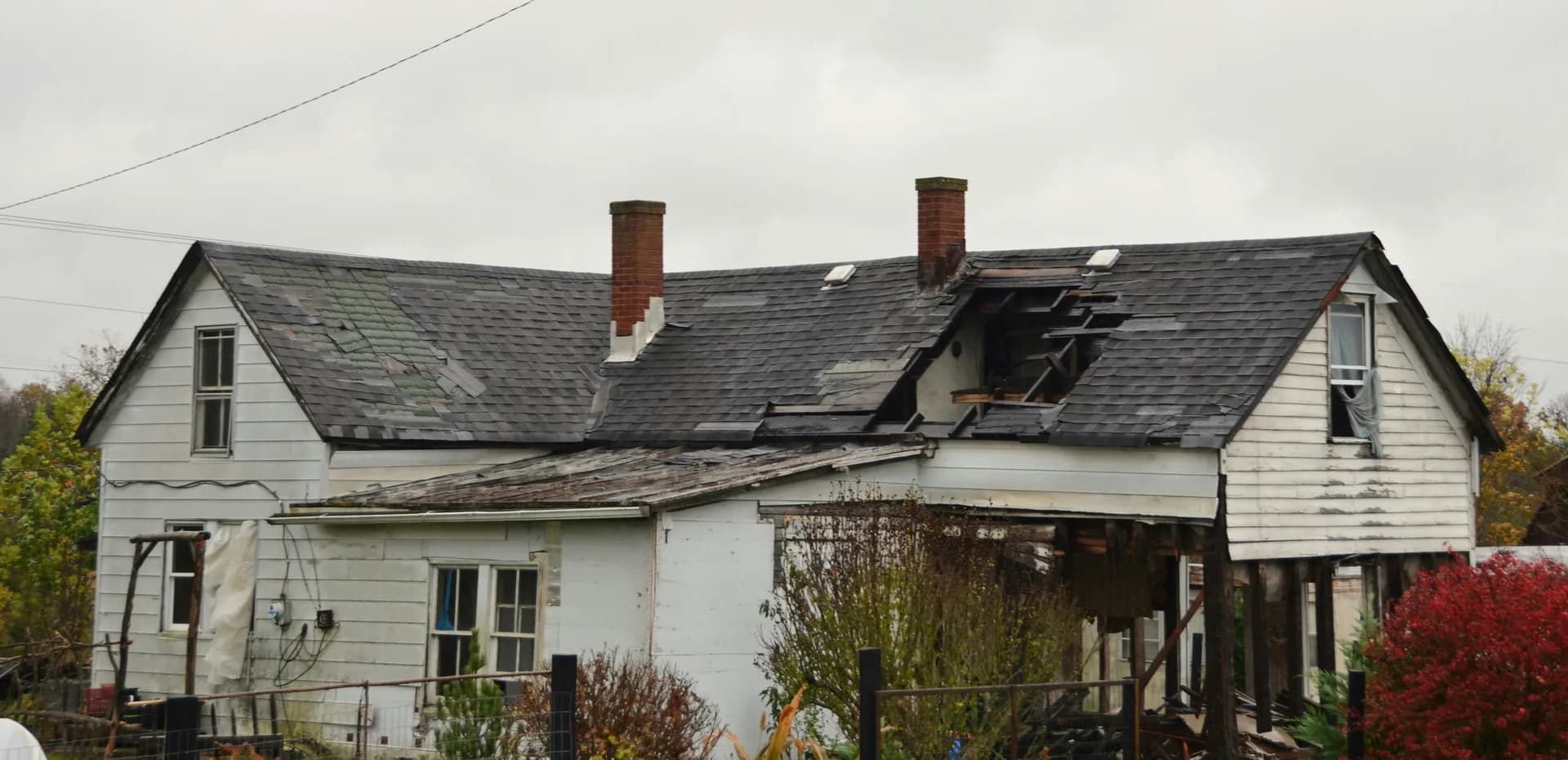
Damage exceeding 30% of the roof surface almost always requires full replacement rather than repair. Insurance adjusters use this threshold because scattered repairs on a roof with widespread hail bruising or wind uplift create a patchwork that fails faster than a complete reroof. Most South Carolina homeowners hit this threshold after severe hail in the Columbia area or hurricane-force winds along the coast.
Roof age matters as much as damage extent. A 10-year-old roof with localized damage repairs well. A 20-year-old roof with the same damage pattern gets replaced because the undamaged sections are already near end-of-life. Combining new shingles with weathered material that will fail in two years wastes money.
Adjusters document damage density per roofing square. If hail hits create more than eight impacts per 10x10 section across multiple roof planes, that roof is totaled even if individual shingles look intact from the ground. The bruising underneath compromises the mat, and those shingles will crack within 18 months.
How South Carolina Storm Patterns Affect the Replace vs Repair Decision
South Carolina sees an average of 3-5 severe hail events per year in the Midlands, with Lexington and Richland counties recording the highest frequency. Hail damage in these areas often appears minor at first but progresses rapidly because the granule loss and mat bruising compound under summer heat. What starts as cosmetic pitting becomes water infiltration by the next storm season.
The coast faces a different calculus. Hurricane wind uplift tears at shingle edges and nail lines, creating entry points invisible from a ladder inspection. After a named storm like Hurricane Ian in 2022, wind damage often extends across the entire roof deck even when only a few shingles blew off. Repairing the visible loss without addressing the compromised seal strips leads to catastrophic failure in the next tropical system.
Tornado activity in the Upstate, particularly around Greenville and Spartanburg, creates localized but severe damage. Twister wind shear can strip one roof plane completely while leaving another untouched. In these cases, replacement is necessary when the damaged plane represents more than a third of the total roof or when the structural deck sustained impact damage that repairs cannot address.
What Material Choices Matter for Storm-Prone South Carolina Roofs?
Impact-rated shingles carry a Class 4 UL 2218 rating, meaning they withstand two-inch steel ball drops without fracturing. These shingles cost $120-$180 per square installed compared to $95-$140 for standard three-tab, but most South Carolina insurers offer 20-30% premium discounts for Class 4 roofs. Over a 25-year lifespan, the discount offsets the upfront cost difference.
Architectural shingles with reinforced mats handle wind better than standard three-tab. Wind ratings of 110-130 mph are standard for quality architectural products from GAF, CertainTeed, and Owens Corning. Coastal installations should specify shingles rated for 130 mph or higher, which corresponds to Category 3 hurricane wind speeds. The difference in material cost is negligible, but the performance gap during a hurricane is significant.
Metal roofing is becoming common in hurricane zones for good reason. Standing seam metal handles 140+ mph winds, sheds hail impact without bruising, and lasts 40-50 years with minimal maintenance. Installation costs run $700-$1,100 per square, roughly double asphalt shingle replacement, but the durability and insurance discounts make it cost-neutral over 20 years for coastal homeowners who face repeated storm exposure.
How Do You Verify Contractor Competence After a South Carolina Storm?
Licensed contractors in South Carolina cities like Charleston, Columbia, and Greenville register with their municipal building departments, not a state-level agency. Verify licensing by calling the local building department directly and asking for the contractor's permit history. A contractor with a clean permit record and multiple completed jobs in your city is a safer choice than an out-of-state crew with no local ties.
Storm chasers flood South Carolina after every named hurricane and major hail event. These crews are not inherently scammers, but their business model creates risk. They work fast, move to the next storm zone, and leave no local presence for warranty work. Ask for references from jobs completed at least two years ago and verify those homeowners can still reach the contractor. If the crew cannot provide local references, walk away.
Insurance claim experience matters more after a storm than during normal replacement projects. Contractors who work regularly with adjusters know how to document damage in Xactimate format, photograph hail bruising under magnification, and supplement initial estimates when hidden damage appears during tear-off. Ask how many insurance jobs the contractor completed in the past 12 months and whether they handle the supplement process or leave that to the homeowner.
What Does Full Roof Replacement Cost in South Carolina After Storm Damage?
A standard 2,000 square foot home with asphalt architectural shingles costs $8,500-$14,000 for complete replacement in South Carolina, depending on pitch and complexity. Steep-slope roofs over 8:12 pitch add 15-25% to labor costs due to safety equipment and slower installation. Two-story homes with multiple roof planes and valleys cost more than single-plane ranch layouts even at the same square footage.
Class 4 impact-rated shingles add $1,200-$2,400 to a typical replacement project but reduce insurance premiums by $200-$400 annually in high-hail counties like Lexington and Richland. The payback period is 4-7 years, after which the homeowner saves money every year for the life of the roof. Most South Carolina homeowners replacing after hail damage choose impact-rated material for this reason.
Permit fees in South Carolina cities range from $150-$400 depending on jurisdiction and project size. Charleston requires engineered wind load calculations for coastal installations, adding $300-$600 in engineering fees. Dumpster rental, tear-off labor, and disposal fees add another $1,500-$2,200 to the project total. Estimates based on available industry data; individual project costs vary by roof size, pitch, material, and regional labor rates.