What Storm Damage Triggers Roof Replacement in South Dakota?
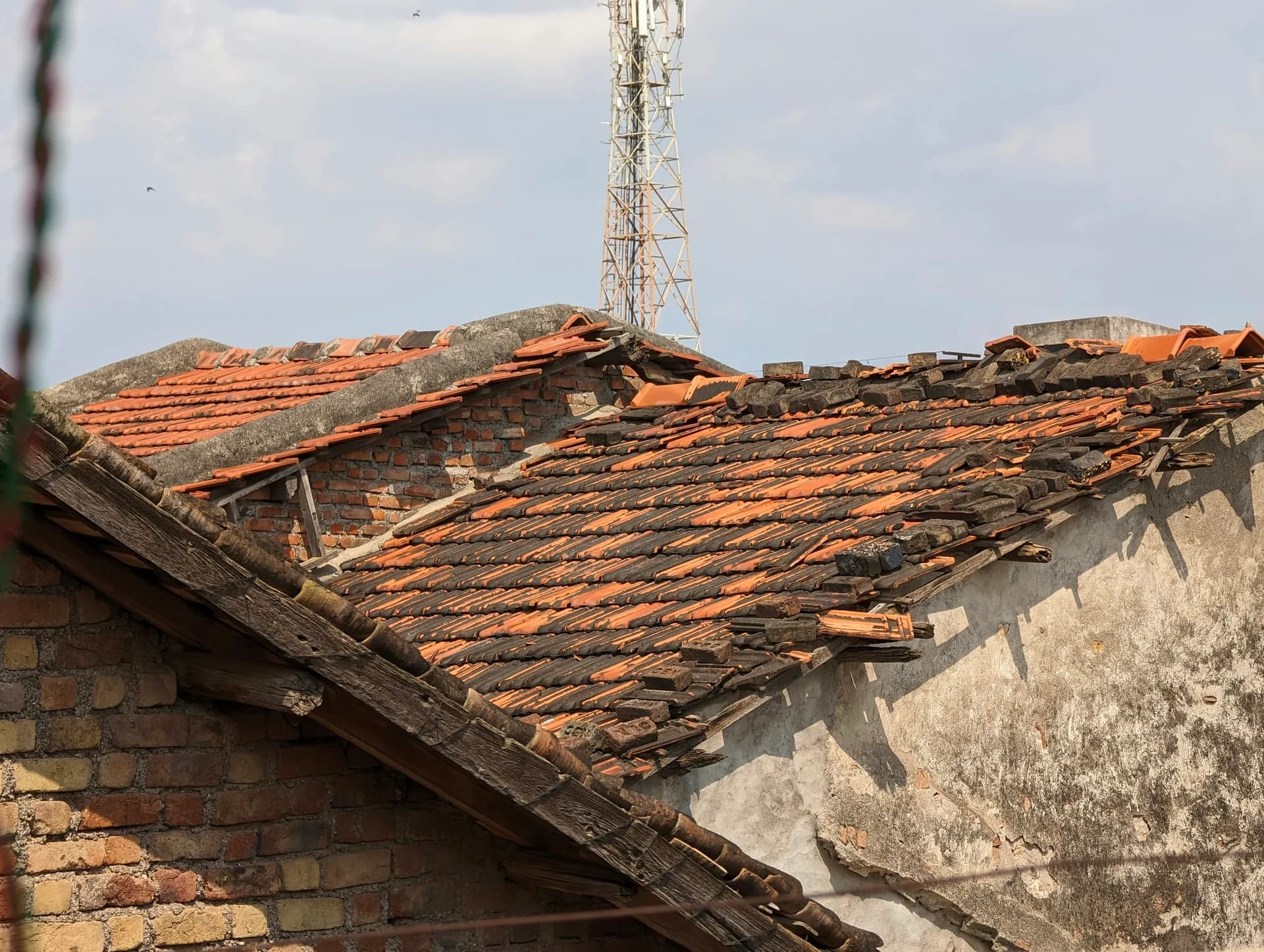
Roof replacement becomes necessary when hail impact covers more than 30% of your shingles, when wind has lifted or removed multiple sections, or when water has penetrated through to the decking layer. South Dakota experiences an average of 6–9 hail days per year across the eastern half of the state, with Sioux Falls and surrounding counties seeing golf ball to baseball-sized hail during peak storm season from May through August. Insurance adjusters in South Dakota typically recommend replacement over repair when damage density exceeds three hail strikes per 10-square-foot section, a threshold frequently exceeded after severe storms.
Structural compromise is the second replacement trigger. If your attic shows water stains on rafters, if decking feels soft when walking the roof, or if daylight is visible through roof boards, the damage extends beyond the shingle layer. Repairing isolated shingle damage while ignoring underlying deck rot leads to callbacks and warranty disputes. Contractors licensed in South Dakota municipalities assess deck integrity during post-storm inspections specifically to identify these hidden issues.
Age compounds storm damage severity. A roof installed 15–20 years ago that sustains moderate hail damage has limited remaining service life even after repair. Replacing the entire system at this point provides 20–30 years of protection under manufacturer warranties, whereas patching an aging roof offers 2–5 years before the next failure. South Dakota's freeze-thaw cycles accelerate shingle deterioration, making older roofs poor candidates for isolated repairs after storm events.
How Do South Dakota Hail Patterns Affect the Replace vs Repair Decision?
South Dakota ranks in the top 10 states for hail frequency, with the eastern corridor from Watertown through Sioux Falls experiencing the highest activity. Hail storms in this region produce widespread damage across entire neighborhoods, not isolated impact zones. When a storm drops 2-inch hail across a 20-mile path, your roof likely sustained damage to every exposure, even if you only see obvious cracking on the south-facing slope.
Hidden hail bruising is the critical factor contractors assess during post-storm inspections. Hail impact fractures the asphalt mat beneath shingle granules without creating visible holes. These fractures allow moisture penetration that won't show up as a leak for 6–18 months, well past the window when your insurance claim remains active. Licensed inspectors in South Dakota use close-range examination and chalk-mark testing to document bruising density, which determines whether localized repair addresses the actual damage scope.
Wind accompanies most South Dakota hail events, with gusts reaching 60–80 mph during severe thunderstorms. Wind uplift breaks the seal along shingle edges and nail lines, creating entry points for water even when shingles remain visibly in place. If your storm included sustained winds above 50 mph, the inspector should check for edge lifting and creasing across the entire roof, not just areas with missing shingles. Replacement becomes the recommended path when wind damage appears on multiple roof planes.
What Does Roof Replacement Cost After Storm Damage in South Dakota?
Full asphalt shingle replacement on a 2,000-square-foot roof in South Dakota runs between $8,500 and $16,000, depending on shingle grade, pitch, and whether decking replacement is required. Impact-resistant shingles rated Class 4 add $1,500–$3,000 to the project cost but qualify for insurance discounts of 15–35% in many South Dakota counties with documented hail history. Most homeowners insurance policies cover replacement cost minus the deductible when storm damage is documented by a licensed inspector and filed within the claim window.
Estimates based on available industry data; individual project costs vary by roof size, pitch, material, and regional labor rates. Steep-pitch roofs common in older South Dakota homes increase labor costs by 20–40% due to safety equipment and slower installation pace. If your roof has multiple valleys, dormers, or complex flashing around chimneys, expect costs toward the higher end of the range. Contractors provide itemized estimates that separate material, labor, decking repair, and disposal costs so you can compare bids accurately.
Insurance claim proceeds depend on your policy type and age of the roof at the time of loss. Replacement cost policies pay the full cost of installing a new roof minus your deductible. Actual cash value policies depreciate the payout based on roof age, which can leave you covering 30–50% of the project cost out of pocket if your roof was 15 years old when damaged. South Dakota contractors experienced with insurance work provide claim documentation and meet with adjusters on-site to ensure damage assessment reflects the full scope of storm impact.
What Roofing Materials Perform Best in South Dakota Storm Conditions?
Impact-resistant asphalt shingles rated Class 4 by UL 2218 testing are the most common upgrade after hail damage in South Dakota. These shingles use a reinforced asphalt mat and modified backing that absorbs hail impact without fracturing, verified through steel ball drop testing. GAF Timberline HDZ, CertainTeed Landmark IR, and Owens Corning Duration Storm shingles all carry Class 4 ratings and come with 10-year algae resistance warranties suitable for South Dakota's humid summer conditions.
Metal roofing is the second option contractors recommend for South Dakota homes in high-hail corridors. Standing seam metal roofs deflect hail impact and handle wind uplift better than any shingle product, with expected service life exceeding 40 years. Cost runs $14,000–$28,000 for a 2,000-square-foot installation, roughly double the cost of premium impact shingles, but insurance discounts and elimination of future hail claims offset the upfront difference for long-term homeowners. Metal roofing requires experienced installers familiar with thermal expansion details and proper fastening patterns for South Dakota's temperature swings.
Three-tab shingles are not recommended for replacement projects in hail-prone areas. These thinner shingles meet code minimum requirements but fail under moderate hail impact and carry shorter manufacturer warranties. If your damaged roof used three-tab shingles, replacement with architectural or impact-rated shingles is the standard upgrade path. Contractors can show you samples with visible thickness differences and explain how the laminated construction resists storm damage better than single-layer products.
How Do You Identify Qualified Roofing Contractors After a South Dakota Storm?
Start with contractors who hold active business licenses in your municipality and carry both general liability and workers' compensation insurance verified through a certificate of insurance showing your project dates. South Dakota does not regulate roofing contractors at the state level, so licensing requirements vary by city and county. Sioux Falls, Rapid City, and Aberdeen require business licenses and bond filings; smaller municipalities may have minimal or no licensing requirements, making insurance verification your primary protection.
Request references from storm restoration projects completed in South Dakota within the past two years, and contact at least three references to ask about claim documentation quality, project timeline accuracy, and how the contractor handled callbacks. Qualified contractors provide written estimates that itemize material brands, labor costs, decking allowances, and disposal fees. Avoid contractors who offer to waive your insurance deductible or who pressure you to sign contracts before the insurance adjuster inspects the damage. Both practices violate insurance fraud statutes and put you at risk for claim denial.
Verify the contractor's relationship with manufacturers if they mention warranty upgrades or certification programs. GAF Master Elite, CertainTeed SELECT ShingleMaster, and Owens Corning Platinum Preferred contractors meet training and volume requirements that correlate with experience on complex projects. Certification alone doesn't guarantee quality work, but it signals the contractor maintains an active relationship with the manufacturer and can facilitate warranty claims if installation defects appear. Ask how long the contractor has operated in South Dakota and whether their crew is local or traveling; post-storm influxes of out-of-area contractors include both qualified teams and opportunistic operators with no regional accountability.
What Permit and Inspection Requirements Apply to Storm Damage Roof Replacement in South Dakota?
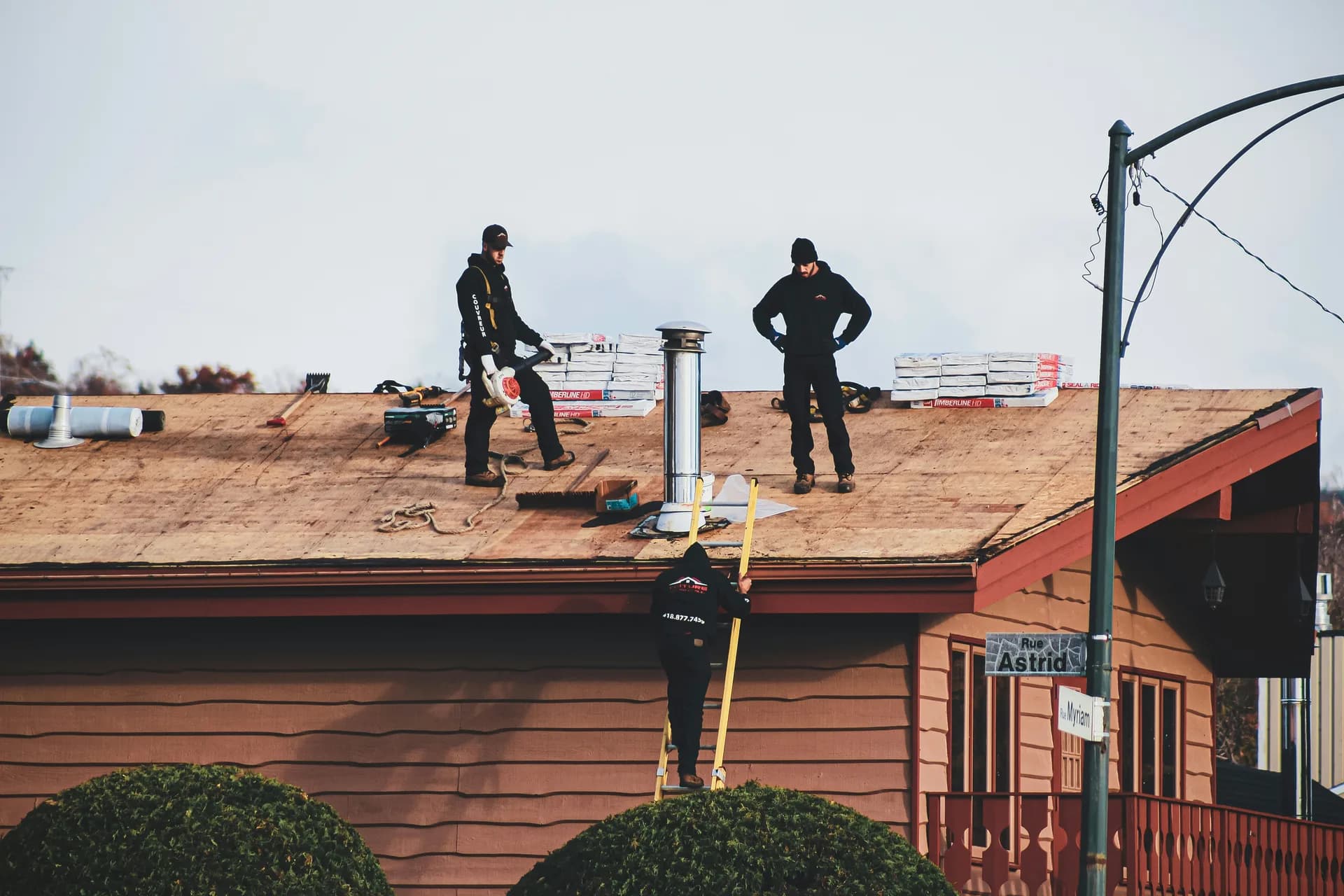
Most South Dakota municipalities require building permits for full roof replacement but not for repairs covering less than 25% of the roof area. Sioux Falls requires permits for all tear-off and replacement projects, with fees based on project valuation and inspections scheduled after decking repair and before final shingle installation. Rapid City follows similar requirements, and contractors familiar with local building departments handle permit applications as part of their service. Smaller towns may not enforce permit requirements consistently, but obtaining permits protects you during resale and ensures the work meets International Building Code standards for wind uplift and fastening patterns.
Final inspections verify that shingle installation follows manufacturer specifications for nail placement, edge fastening, and starter strip application. Inspectors also check flashing details around chimneys, vents, and valleys, where improper installation causes most post-replacement leaks. If your contractor suggests skipping the permit to save money or time, that's a red flag indicating they may not follow code requirements. Permitted work creates a municipal record that future buyers and insurance underwriters can verify.
Insurance companies may require inspection reports before closing your claim, particularly if the payout exceeds $15,000 or if the adjuster noted potential code upgrade requirements. South Dakota building codes adopted the 2018 International Residential Code, which increased wind uplift requirements in certain counties based on updated wind speed maps. Your contractor should know whether your location requires enhanced fastening or edge securement and include those upgrades in the estimate without waiting for the inspector to flag deficiencies.