What Storm Damage Signals Replacement Over Repair in Virginia?
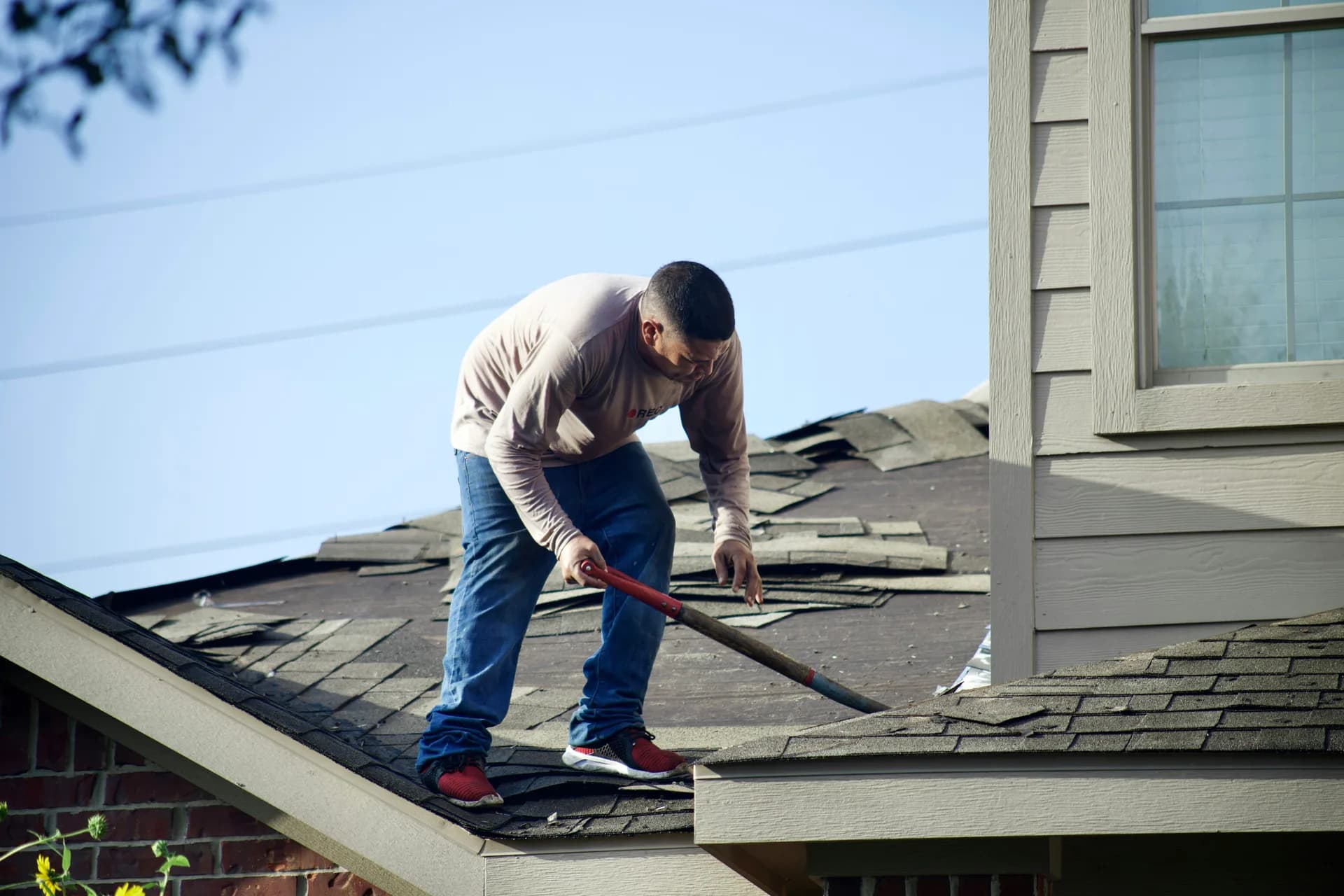
Replacement becomes necessary when hail bruising covers more than 30% of your roof, when wind has lifted or torn multiple shingle sections across different roof planes, or when you find widespread granule loss in gutters and downspouts after a storm. Insurance adjusters use the 30% threshold as a standard decision point because scattered repairs on a heavily damaged roof create mismatched shingle lots and void manufacturer warranties.
Virginia sees an average of 3–7 severe hail events per year across the central and southwestern counties, with wind gusts during derecho events exceeding 70 mph. These storms cause hidden damage that spreads over time. Hail bruises asphalt shingles by compressing the mat and fracturing the protective granule layer, which accelerates aging even if no immediate leak appears.
Repair makes sense for isolated damage confined to one roof section, typically under 200 square feet. A licensed contractor can match shingles closely enough for a repair that lasts 5–10 years if the rest of the roof is in good condition. If your roof is already 15 years old or older and shows storm damage, replacement usually costs less over the next decade than multiple repair cycles.
How Much Does Storm Damage Roof Replacement Cost in Virginia?
Full asphalt shingle replacement on a typical 2,000 square foot Virginia home costs $9,000–$15,000, while impact-resistant shingles designed for hail-prone areas run $12,000–$22,000 depending on roof pitch and complexity. Repairs for localized storm damage range from $800 for small shingle replacement to $3,500 for multi-section wind damage repairs.
Costs vary by region within Virginia. Northern Virginia and Richmond metro pricing runs 10–15% higher than southwest Virginia due to labor rates and permit fees. A steep pitch roof or multi-level design adds $2,000–$5,000 to replacement cost because of additional labor and safety equipment.
If your insurance claim is approved, your out-of-pocket cost is typically your deductible, which ranges from $1,000 to $2,500 for most Virginia homeowners policies. Depreciation holdback is common: insurers pay actual cash value upfront, then release recoverable depreciation after replacement is verified. Estimates based on available industry data; individual project costs vary by roof size, pitch, material, and regional labor rates.
What Should a Post-Storm Roof Inspection Include in Virginia?
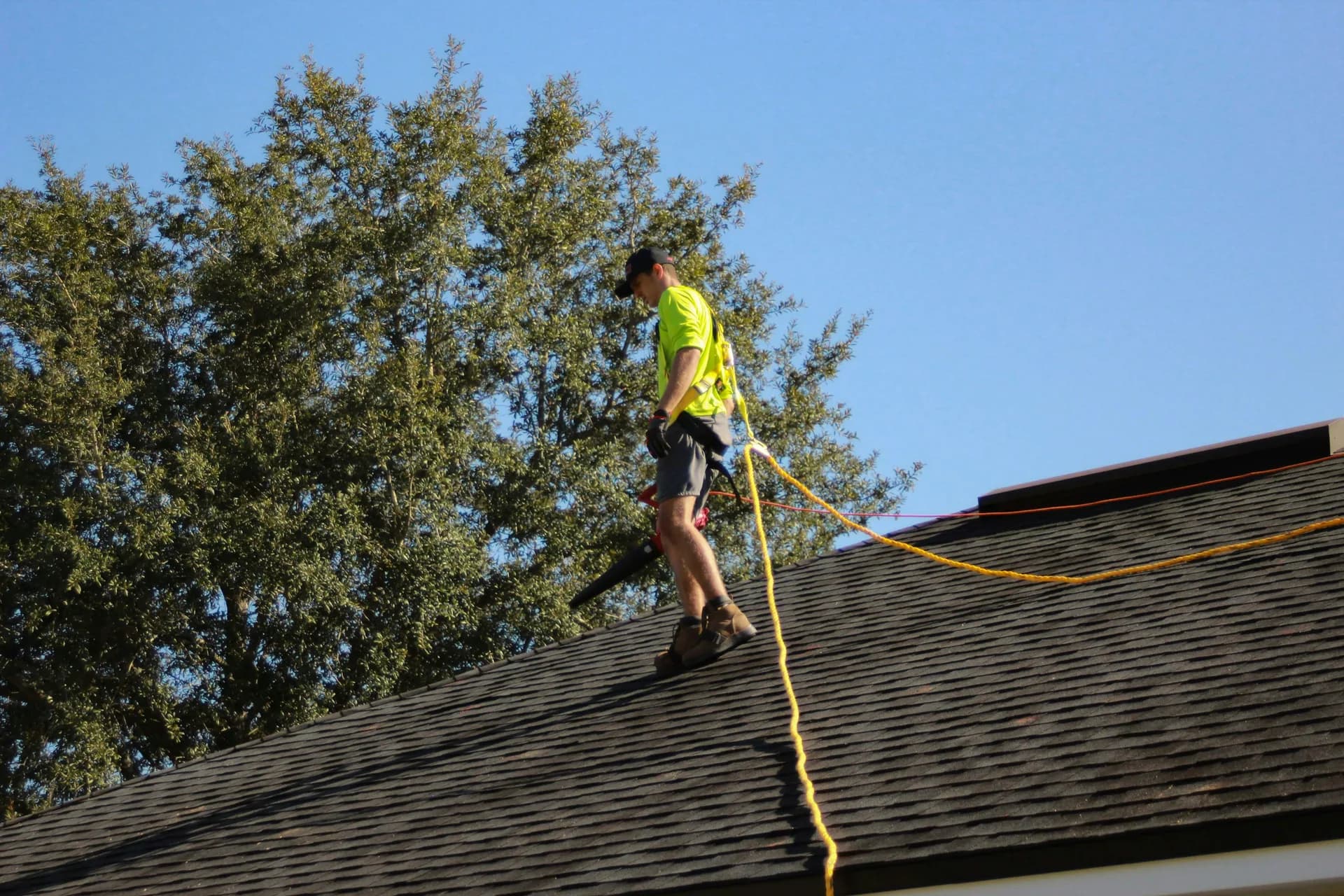
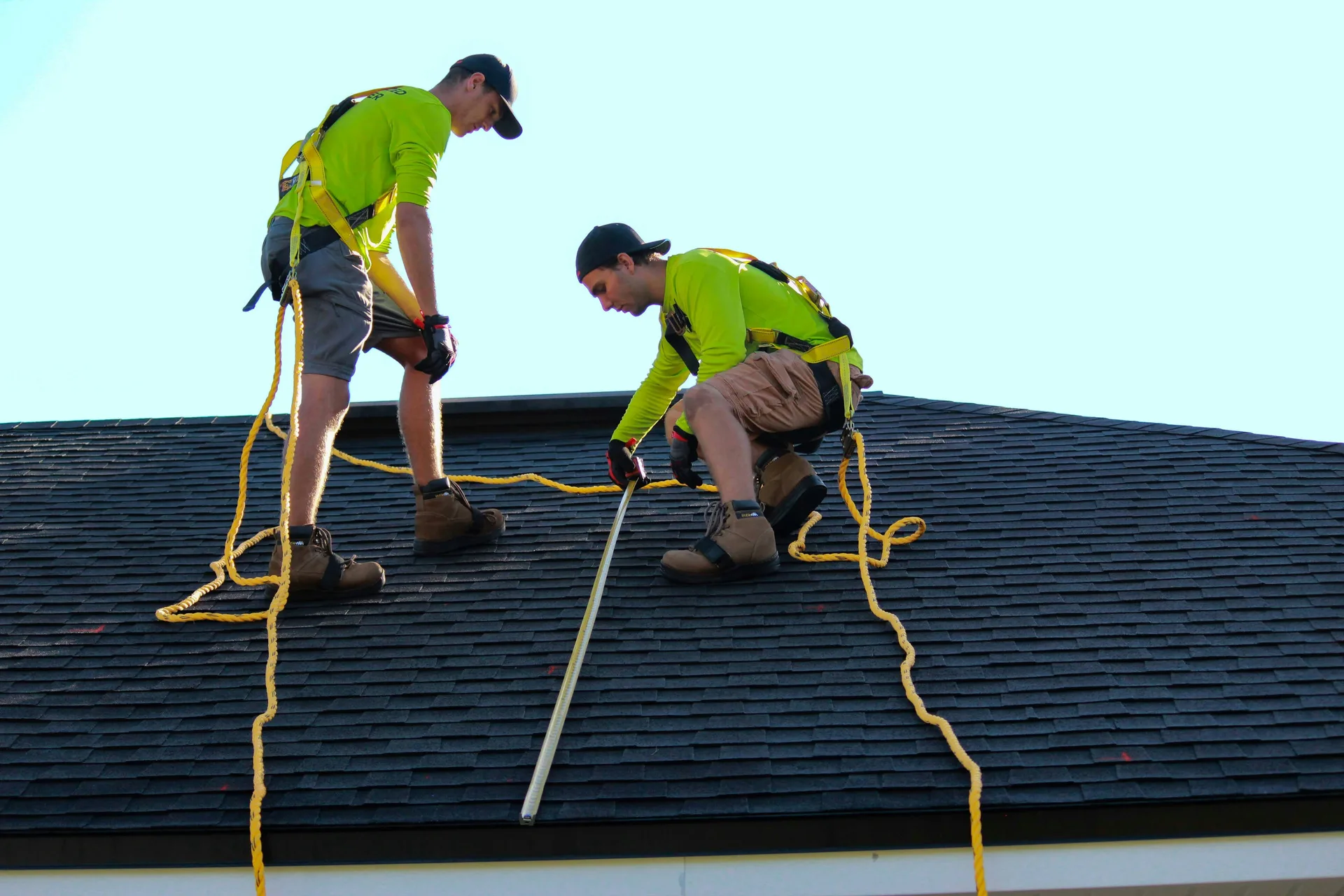
A legitimate post-storm inspection documents shingle condition on all roof planes, checks flashing around chimneys and vents, photographs hail bruising or wind damage, and measures granule loss. The contractor should provide a written report with photos and damage location notes that you can submit to your insurance carrier.
In Virginia, be cautious of door-to-door contractors offering free inspections immediately after a named storm event. Legitimate local contractors inspect roofs year-round and provide documentation without pressure. A quality inspection takes 30–60 minutes and includes attic ventilation checks, since wind-driven rain during storms often enters through compromised soffit vents.
Request the contractor's Virginia business license number and verify it with your local building department before allowing roof access. Most Virginia municipalities require contractor registration, and some counties like Fairfax and Loudoun maintain online verification systems. A HAAG Certified Inspector credential signals advanced training in storm damage assessment, though it's not required for competent inspection work.
How Does Virginia Storm History Affect the Replace vs Repair Decision?
Virginia's position along the Atlantic coast and proximity to the Appalachian Mountains creates two distinct storm damage patterns: hurricane remnants bring sustained wind and heavy rain to eastern and coastal counties, while hail from severe thunderstorms concentrates in the Piedmont and Blue Ridge regions from April through September. If your roof has survived multiple storm seasons without prior damage, its remaining lifespan matters more than one isolated event.
The June derecho events that hit Virginia in recent years produced wind damage across a 200-mile swath, with insurance claims concentrated in counties from Charlottesville to Richmond. Roofs installed before these events with standard 3-tab shingles often sustained enough damage to justify replacement with impact-resistant materials rated for Class 4 hail.
A roof nearing the end of its expected lifespan should be replaced rather than repaired after storm damage, even if the damage itself is repairable. Asphalt shingles in Virginia last 18–25 years depending on attic ventilation and sun exposure. If your roof is 15 years old and shows storm damage, replacement gives you a new warranty period and qualifies for insurance discounts on impact-resistant products in hail-prone zones.
What Materials Handle Virginia Storm Conditions Best?
Impact-resistant shingles rated Class 4 by UL 2218 testing survive hail strikes up to 2 inches in diameter without mat fracture, making them the most reliable choice for Virginia's Piedmont and southwestern counties where severe thunderstorm hail is common. GAF Timberline HDZ, CertainTeed Landmark IR, and Owens Corning Duration Storm are widely available in Virginia and carry enhanced warranties when installed by certified contractors.
Architectural shingles outlast 3-tab shingles in wind events because their laminated construction resists lifting at the edges. Most architectural shingles carry a 110–130 mph wind rating, compared to 60–70 mph for standard 3-tab products. Given that Virginia derecho wind gusts exceed 70 mph in severe events, the upgrade cost of $1,500–$3,000 over 3-tab shingles pays off in reduced future damage risk.
Metal roofing is gaining adoption in rural Virginia counties because it sheds snow and ice without damage and resists wind uplift when properly fastened. Standing seam metal costs $18,000–$35,000 for a typical home, roughly double the cost of premium asphalt shingles, but lasts 40–60 years with minimal maintenance. It's worth considering if you plan to stay in the home long-term and want to eliminate re-roofing as a future expense.
How Do You Vet Storm Damage Roofing Contractors in Virginia?
Verify the contractor holds a valid business license with your city or county building department and carries both general liability insurance and workers' compensation coverage. Request certificate of insurance directly from their carrier, not a photocopy, and confirm coverage limits of at least $1 million for general liability.
Check references from projects completed in the last 12 months, focusing on homeowners who filed insurance claims. Ask whether the contractor coordinated with the adjuster, met the claim timeline, and handled depreciation holdback correctly. A contractor experienced in insurance work will explain the claims process without pressuring you to sign over claim proceeds or assignment of benefits.
Avoid contractors who request full payment upfront or offer to waive your insurance deductible. Both practices violate insurance policy terms and signal financial instability. Standard payment terms in Virginia are one-third deposit, one-third at material delivery, and final payment upon completion and inspection approval. Most Virginia municipalities require a permit for roof replacement; verify the contractor pulls permits rather than skipping this step to save cost.