What Level of Storm Damage Triggers Replacement in Wyoming?
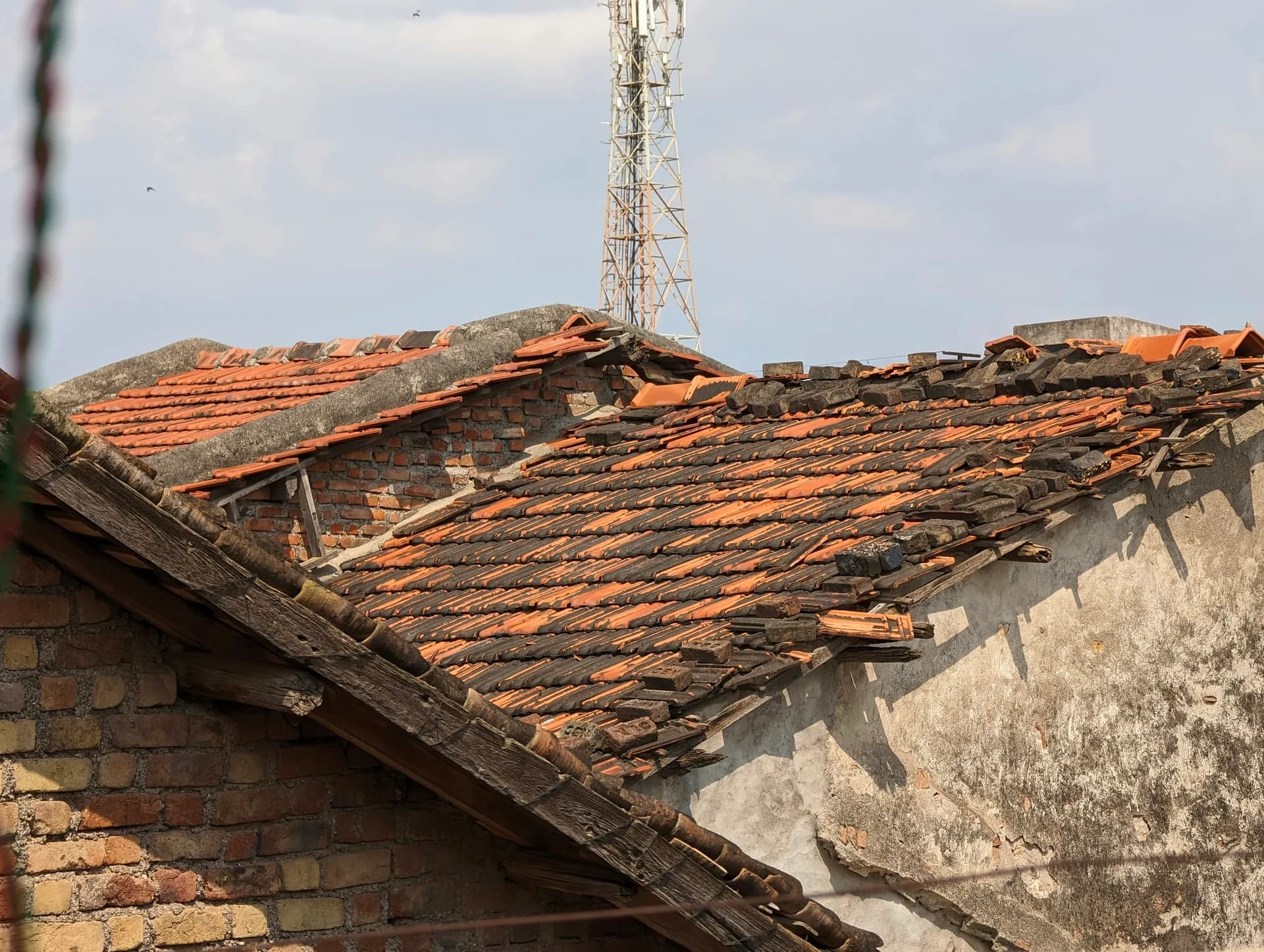
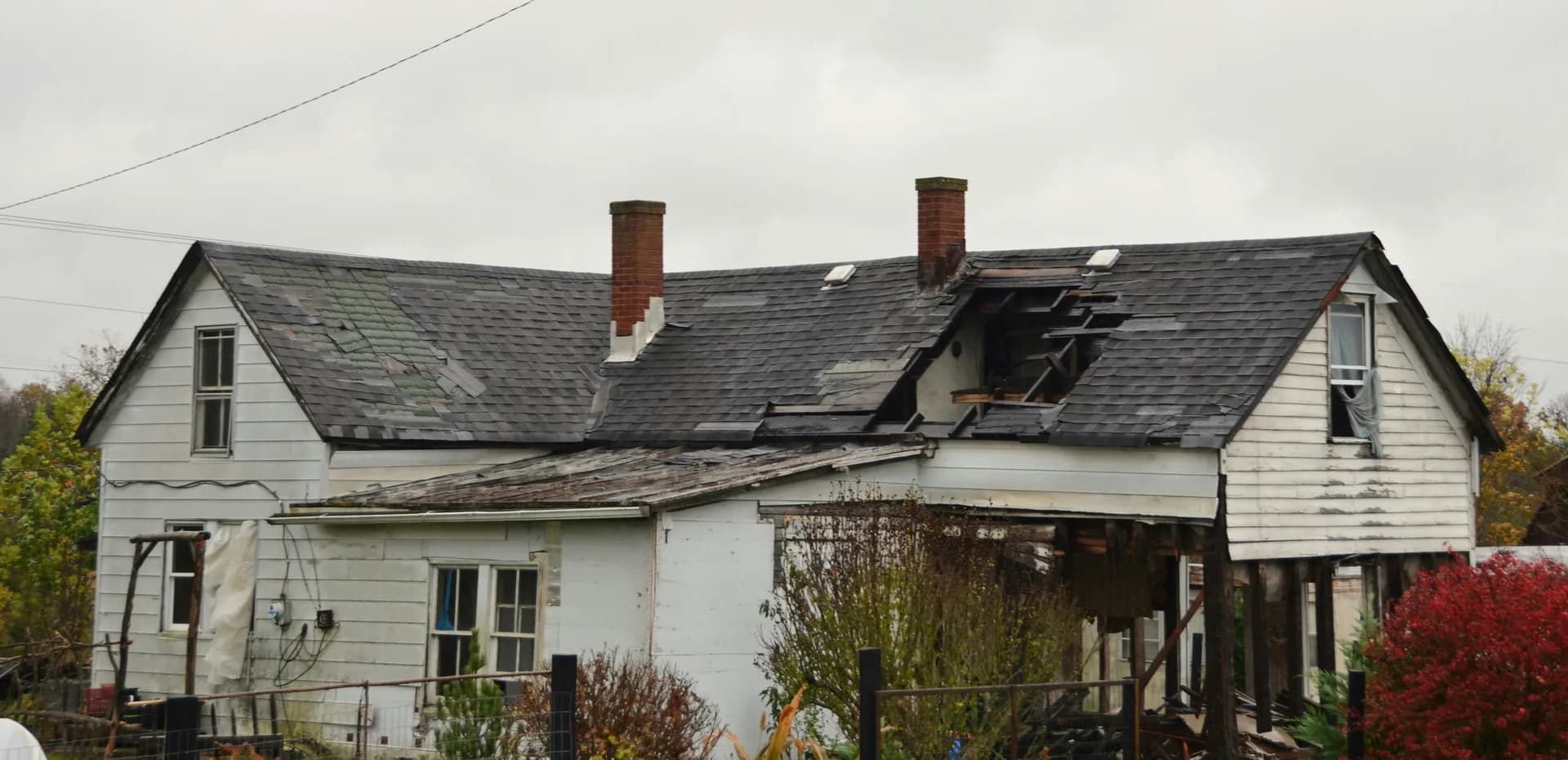
Damage covering more than 30% of your roof's total square footage makes replacement more cost-effective than repair. Insurance adjusters measure impact density per 100-square-foot section — if hail strikes exceed industry thresholds set by manufacturers like GAF or CertainTeed, shingles lose their wind resistance rating even when granule loss looks minor.
Wyoming's hail belt runs through Laramie, Cheyenne, and Casper, where severe hail occurs an average of 3–7 days per year according to NOAA storm data. A single hail event with stones over 1 inch in diameter can compromise an entire roof plane. Wind gusts over 60 mph during spring and summer storms lift shingle edges, breaking the seal and exposing underlayment to moisture infiltration.
Roofs older than 15 years with visible hail bruising across multiple slopes should be evaluated for replacement. Patching scattered damage on an aging roof delays the inevitable and often voids remaining manufacturer warranties.
How Do You Know If Repair Is Still an Option?
Isolated damage confined to one roof plane covering less than 20% of total area can often be repaired if the surrounding shingles remain intact. Licensed contractors assess shingle flexibility, granule retention, and seal integrity across undamaged sections to determine whether spot repairs will match the existing roof's lifespan.
Repair works when damage is localized to ridge caps, valleys, or a single slope exposed to prevailing wind. Wyoming's west-to-east storm patterns concentrate wind-driven hail on western and southern roof planes, leaving northern exposures relatively unaffected. If the unaffected sections show minimal wear and retain manufacturer date codes within the past 10 years, targeted repair may extend the roof another 5–8 years.
Most contractors won't warranty repairs on roofs older than 12 years. Material discontinuation makes color matching difficult, and mixing old and new shingles creates uneven wear patterns that accelerate failure across the entire roof.
What Does Storm Damage Roof Replacement Cost in Wyoming?
Full asphalt shingle replacement on a 2,000-square-foot ranch home in Wyoming runs $8,500–$16,000 depending on pitch, accessibility, and material grade. Impact-resistant Class 4 shingles add $1,500–$3,000 to the base cost but often qualify homeowners for insurance premium discounts of 15–25% in hail-prone counties.
Steep-pitch roofs common in mountain communities near Laramie and Jackson increase labor costs by 20–30% due to safety equipment and slower installation. Metal roofing, increasingly popular for its hail resistance, costs $12,000–$22,000 for the same square footage but carries a 40–50 year lifespan compared to 20–25 years for asphalt.
Estimates based on available industry data; individual project costs vary by roof size, pitch, material, and regional labor rates. Wyoming's short construction season between May and September creates contractor demand spikes that can push prices up 10–15% during peak months.
How Does Insurance Coverage Affect the Replace vs Repair Decision?
Wyoming homeowner policies typically cover storm damage under dwelling coverage with deductibles ranging from $1,000 to $2,500. Actual cash value policies depreciate your roof based on age, paying only a percentage of replacement cost for roofs older than 10 years — a 15-year-old roof might receive only 50% of replacement cost.
Replacement cost value policies pay full replacement without depreciation, making total replacement financially viable even when partial repair seems cheaper upfront. Contractors coordinate with adjusters to document damage density, shingle brittleness, and code compliance issues that support full replacement claims.
Filing multiple small repair claims over several years can trigger non-renewal notices or premium increases. A single replacement claim after documented severe storm damage has less long-term impact on insurability than a pattern of repeated patching.
What Materials Handle Wyoming Storm Conditions Best?
Class 4 impact-resistant asphalt shingles from GAF, CertainTeed, or Malarkey survive UL 2218 testing with steel balls dropped from 20 feet without cracking. These shingles use a rubberized asphalt layer and heavier mat construction that absorbs hail energy, reducing the denting and fracturing that shortens standard shingle life in Wyoming's hail corridor.
Metal roofing in standing seam or stone-coated steel configurations deflects hail without permanent damage and handles Wyoming's 80+ mph wind gusts without lifting. Wind ratings for properly installed metal roofs reach 140 mph, well above the state's severe storm thresholds. Homes in Cheyenne and the southeastern plains see the strongest adoption due to annual hail exposure.
Architectural shingles with laminated construction outperform three-tab shingles in wind resistance and granule retention. Wyoming's high UV exposure at elevations above 6,000 feet accelerates shingle aging — algae-resistant shingles with copper or zinc granules maintain appearance and functionality longer than standard grades.
How Do You Find Contractors Who Know Wyoming Storm Damage?
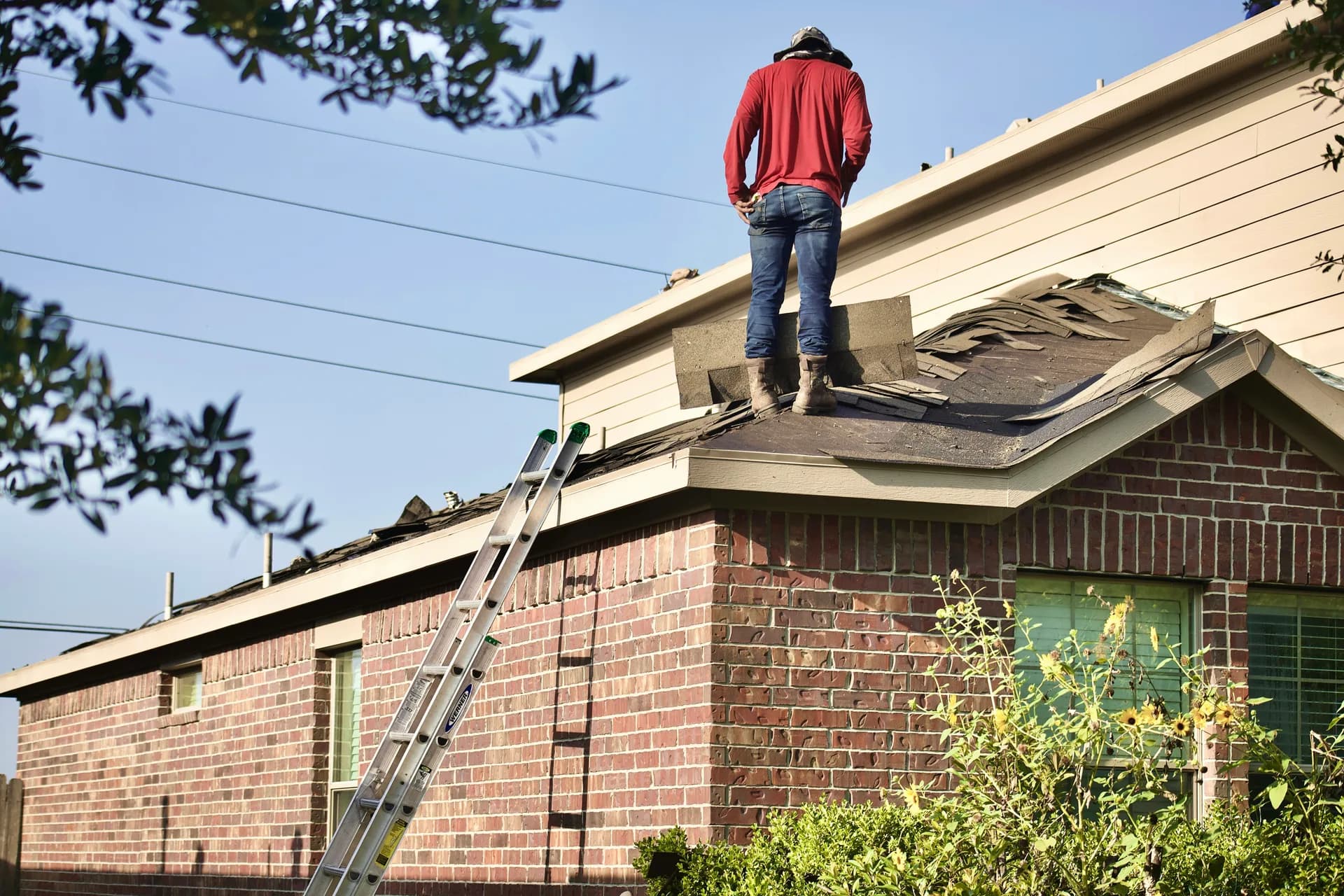
Licensed contractors familiar with Wyoming's storm patterns document damage using drones, moisture meters, and industry-standard forms recognized by major carriers. Verify municipal licensing through the city or county building department — Wyoming has no state-level roofing contractor license, so credentials vary by location.
Contractors based within 100 miles of your property understand local permit requirements, code amendments, and seasonal weather windows. Out-of-state storm chasers often lack familiarity with Wyoming's freeze-thaw cycles and high-altitude installation requirements, leading to improper flashing and ventilation that cause premature failure.
Request references from projects completed 3–5 years ago in your county. A solid roof shows no leaks, no granule loss in gutters, and no lifted shingles after multiple storm seasons. Contractors who warranty both labor and materials for at least 5 years stand behind their work.