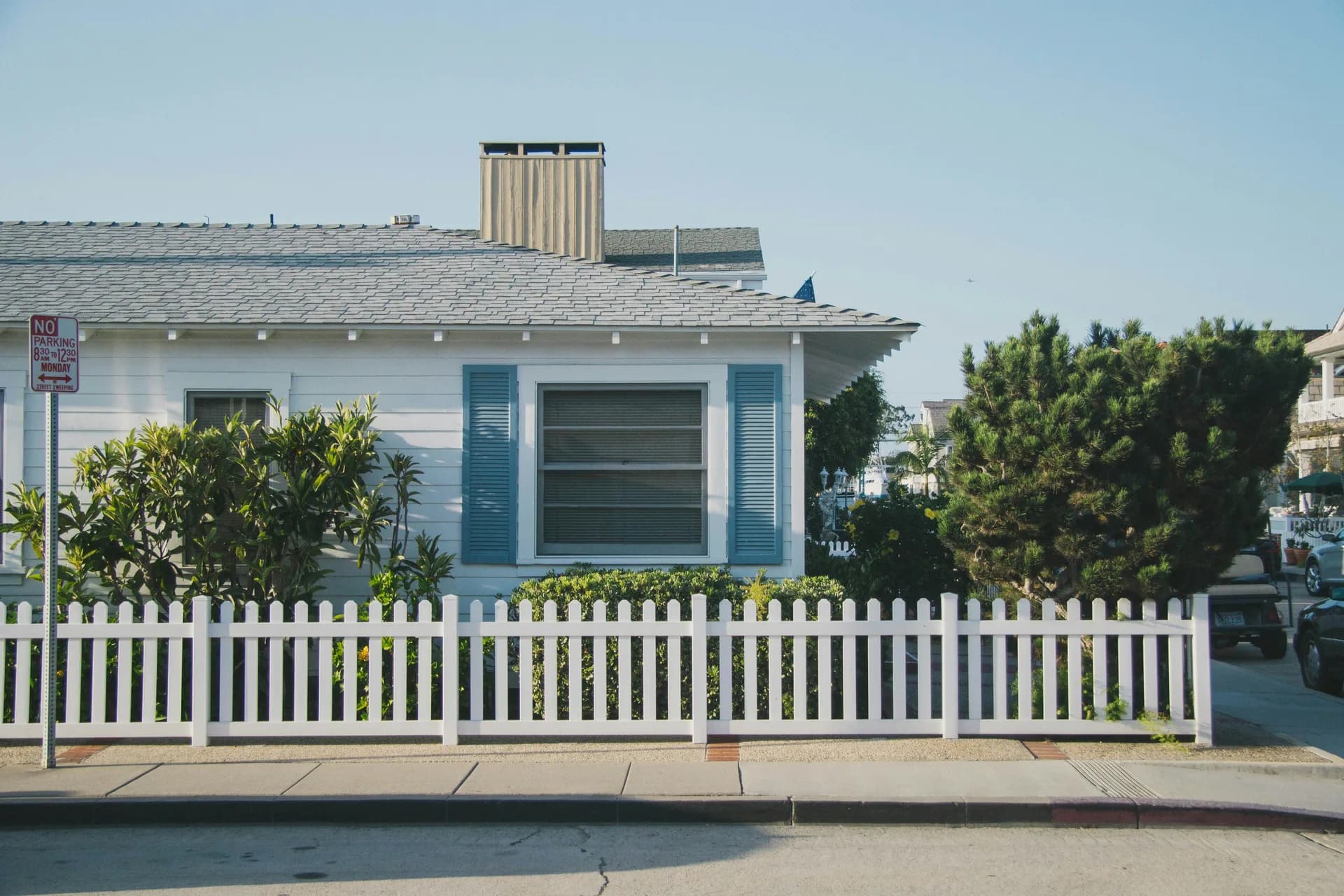
What Affects Rates in Wilmington
- Wilmington sits in the hurricane landfall corridor. Ian's 2022 landfall delivered sustained tropical storm winds and 3–4 inches of rain. Peak hurricane activity occurs July through September.
- Thunderstorm wind events dominate New Hanover County's storm profile, accounting for 26 of 47 total events since 2019. These events lift shingles, break sealant bonds, and accelerate granule loss.
- Coastal proximity accelerates fastener corrosion and metal flashing degradation. Replacement projects near the waterfront require corrosion-resistant materials and extended warranties rated for marine environments.
- New Hanover County's median home was built in 1992. Roofs approaching 25–30 years face granule depletion, sealant failure, and reduced wind resistance even without visible storm damage.
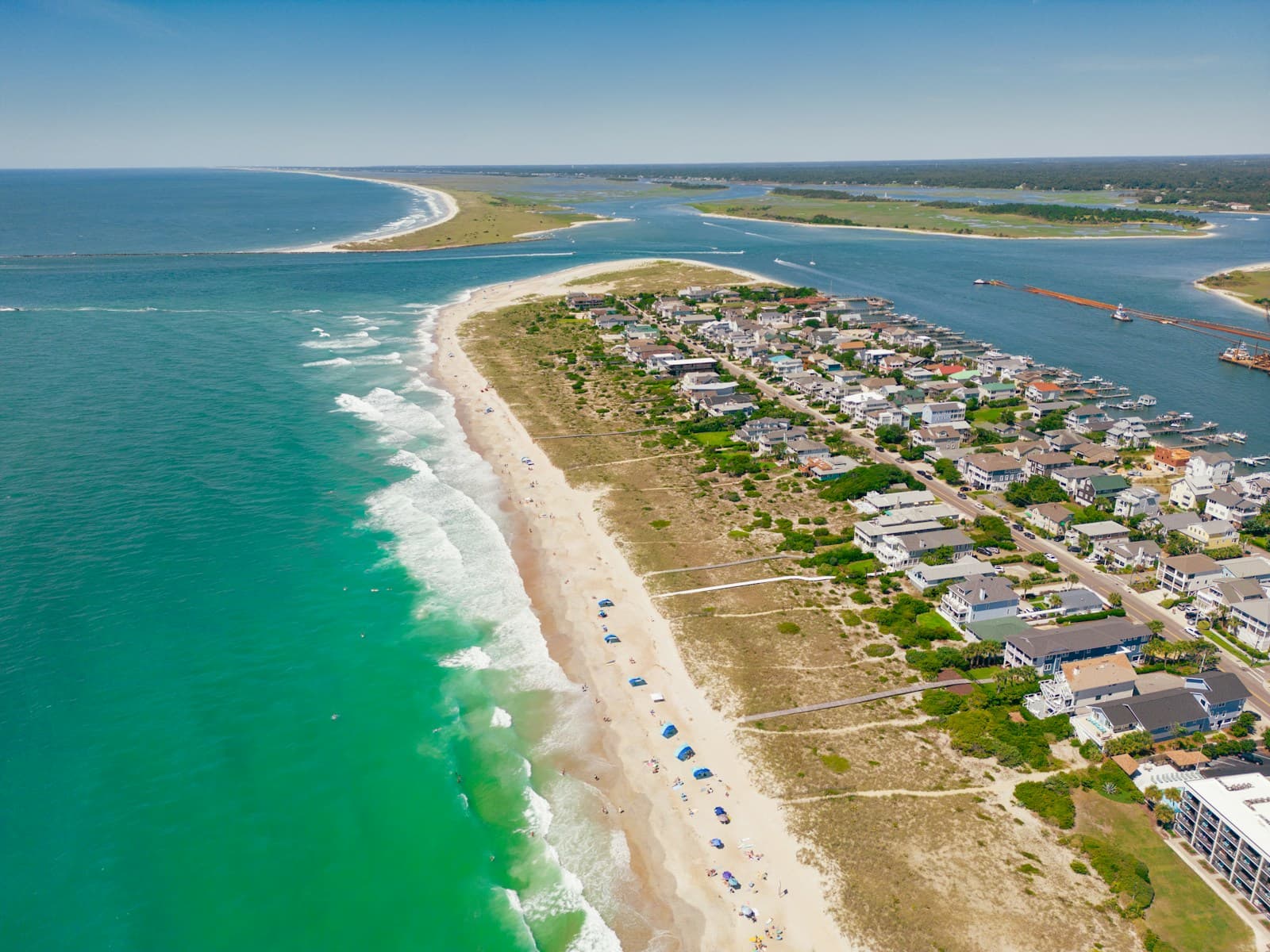
Services Near You
Cost estimates are based on available industry data and vary by driver profile. These are not insurance quotes.
Identifying wind lift, hail bruising, and hidden shingle damage after Wilmington's frequent thunderstorm wind events and tropical systems. Includes moisture assessment and structural decking review.
Installing Class 4 impact-resistant and high-wind-rated shingles engineered for coastal exposure. Standard in New Hanover County after Ian and Idalia demonstrated sustained wind damage across the metro.
Replacing water-damaged or wind-compromised plywood and OSB sheathing exposed during tear-off. Common in Wilmington homes built before 2000 with prolonged humidity exposure.
Photographing shingle damage, measuring affected areas, and preparing scope documentation for hurricane and wind damage claims submitted to carriers active in coastal North Carolina.