Minimum Coverage Requirements in Texas
Verify municipal licensing requirements and obtain a permit before starting the tear-off. Texas does not license roofing contractors at the state level—licensing is handled by cities and counties, with thresholds and requirements varying by jurisdiction. Contractors operating in Texas without the correct municipal credentials face stop-work orders, and homeowners lose lien protection. Most Texas municipalities require permits for full replacements; smaller repair projects under a threshold set locally may be exempt.

How Much Does Car Insurance Cost in Texas?
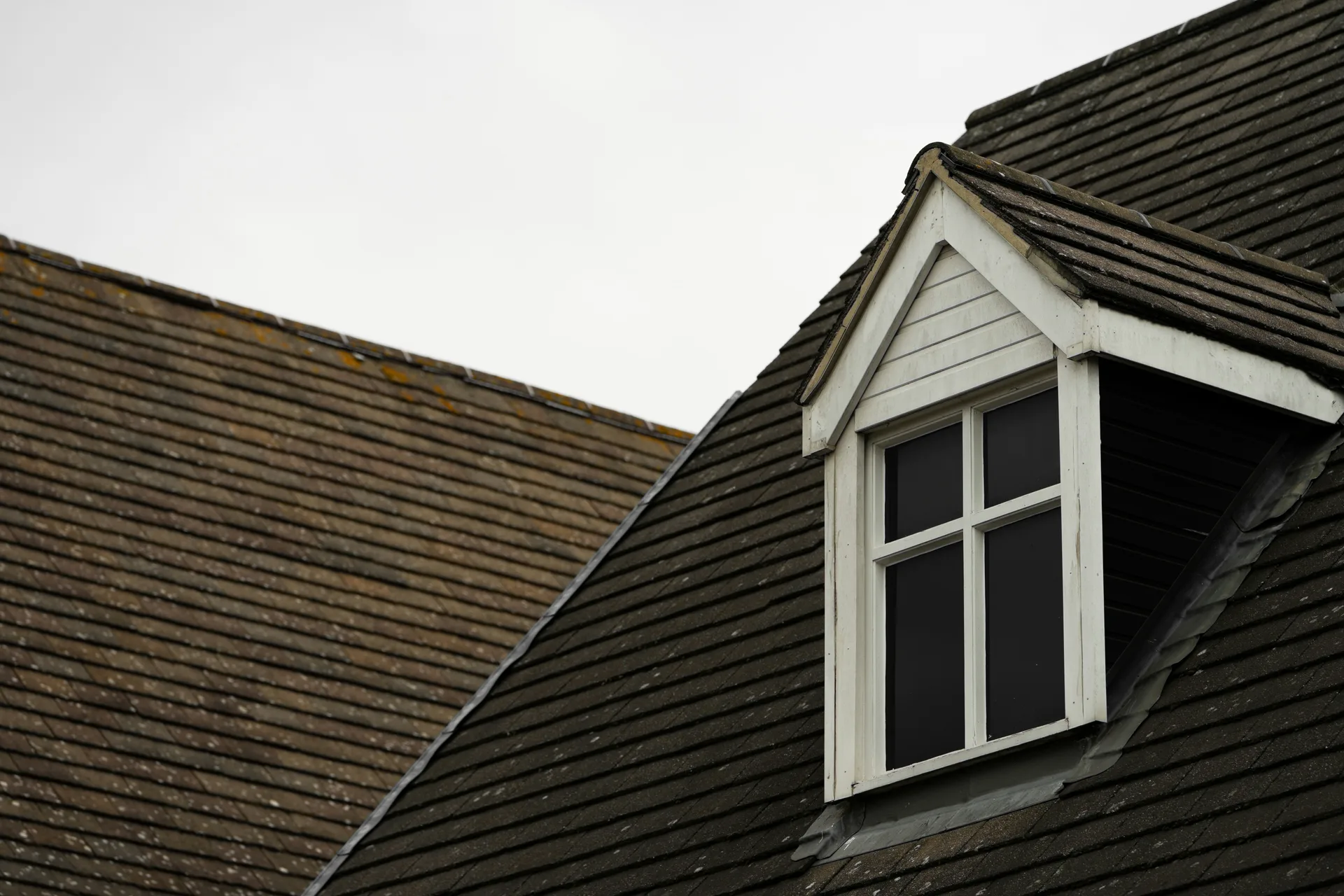
Texas roof replacement costs $8,000–$18,000 for a full asphalt shingle system on a 2,000 square foot roof. Material choice, roof pitch, storm damage extent, and municipal permit fees drive the range. Class 4 impact-rated shingles add $1,500–$2,500 to the base cost but reduce premium expenses and repeat-claim risk in Texas's hail corridor.
What Affects Your Rate
- Class 4 Impact-Rated Shingles: Add $1,500–$2,500 for UL 2218 Class 4 shingles rated to withstand 2-inch hail strikes—critical in the DFW and I-35 hail belt where repeat claims are common.
- Roof Pitch and Complexity: Steeper pitch increases labor cost by 15–30% due to safety equipment, slower installation, and waste factor—verify pitch measurement in the contractor's quote.
- Underlayment Upgrade: Synthetic underlayment costs $200–$600 more than felt but handles Texas heat and UV exposure better, reducing risk of premature failure between the decking and shingles.
- Municipal Permit Fees: Texas cities charge $150–$500 for replacement permits depending on project size—confirm the fee structure with the local building department before signing the contract.
- Hurricane Wind Zone Requirements: Coastal county replacements in TWIA territory require higher wind-rated materials and upgraded attachment patterns, adding $800–$1,500 to the base cost in the 14 designated counties.
- Seasonal Demand Surge Pricing: Expect 10–20% higher quotes during the March–June hail peak when contractor schedules fill and material suppliers face backorders across Texas metro areas.
Compare car insurance rates in your state
Get quotes from licensed carriers — no obligation, no spam, results in minutes.
Get Your Free QuoteCoverage Types
Learn when full replacement is required versus partial repair, how to verify the damage extent with an independent inspection, and what material choices handle Texas hail and wind exposure.
Understand what a licensed inspector checks after hail or wind events, how to document damage for insurance claims, and when hidden bruising triggers supplement claims during tear-off.
Compare UL 2218 Class 4 shingles from GAF, CertainTeed, and Owens Corning rated for 2-inch hail strikes, and calculate the premium discount and claim-avoidance payback in the I-35 corridor.
Verify municipal licensing, check for TX Bus. & Com. Code §27.02 contract compliance, and identify storm-chaser red flags common after named hail events in DFW and Houston.