What Affects Rates in Milwaukee
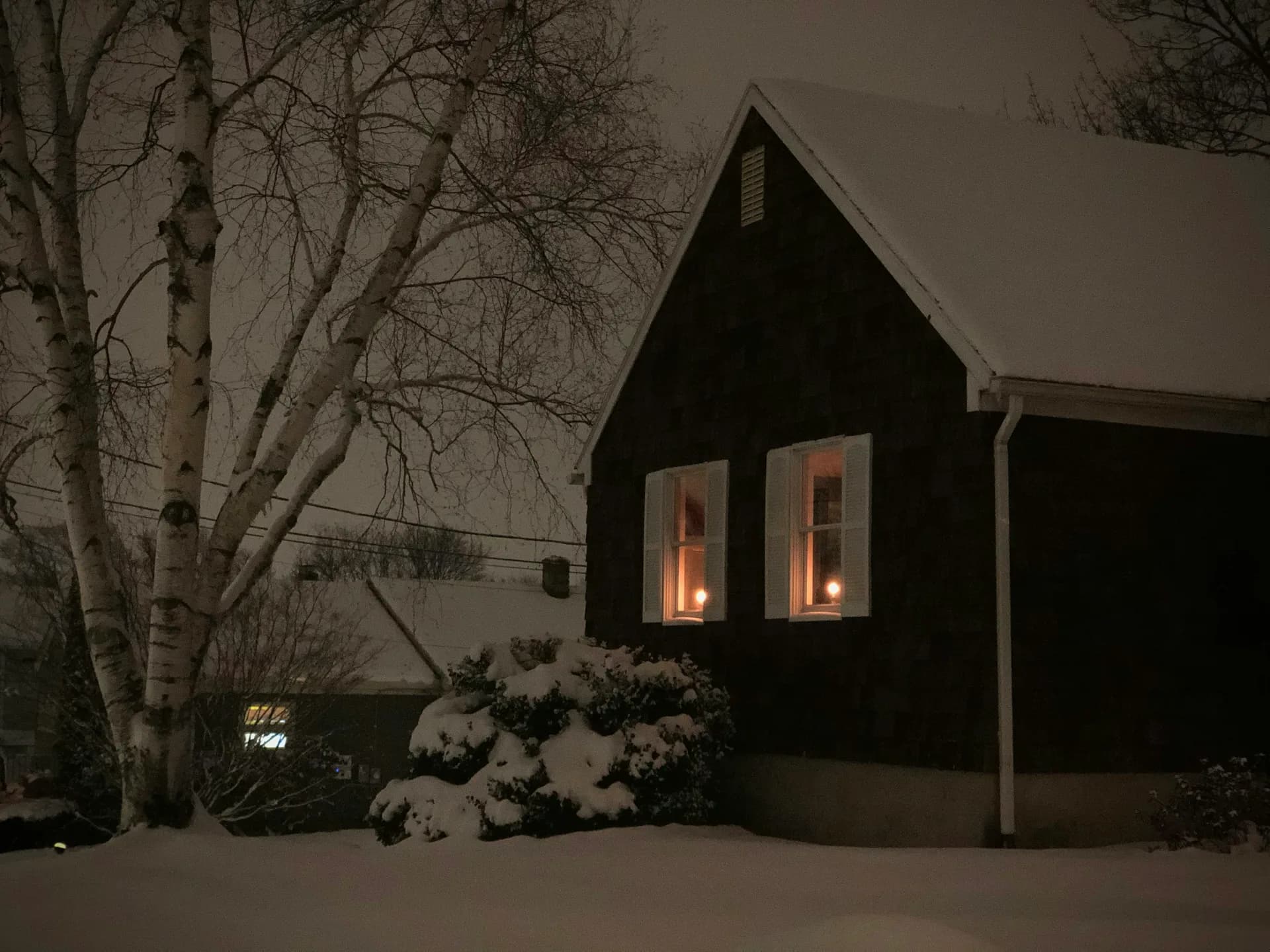
- Multi-season storm exposure: Milwaukee sees hail and severe thunderstorms May through July, plus winter storms from December through March that drop heavy snow loads and cause ice dam damage.
- Aging housing stock: Milwaukee County's median home build year is 1956, with most structures predating modern wind-resistant shingle standards and nearing the 20–25 year replacement window.
- Lake Michigan proximity: Homes near the lake experience milder temperatures during winter storms, resulting in wetter snow and higher ice accumulation on roof valleys and eaves.
- Urban tree canopy: Milwaukee's mature hardwood trees create additional storm risk—the January 2024 winter storm and August 2021 severe thunderstorm both downed large limbs across West Allis, Wauwatosa, and Whitefish Bay neighborhoods.
Services Near You
Cost estimates are based on available industry data and vary by driver profile. These are not insurance quotes.
Roof inspections after Milwaukee hail or wind events document shingle bruising, granule loss, flashing damage, and hidden structural issues for insurance claims and replacement decisions.
Milwaukee County's 45 hail events in 5 years make impact-resistant shingles a common upgrade during replacement; claims require documented damage across multiple roof planes.
Severe thunderstorms in Milwaukee lift shingles, damage flashing, and snap tree limbs onto roofs; repairs focus on re-securing wind-lifted sections and replacing cracked or missing shingles.
Milwaukee storm damage claims require photo documentation, adjuster inspection coordination, and material estimates that match policy coverage; contractors provide detailed damage reports to support claim approval.