What Makes Class 4 Shingles Different From Standard Asphalt Shingles
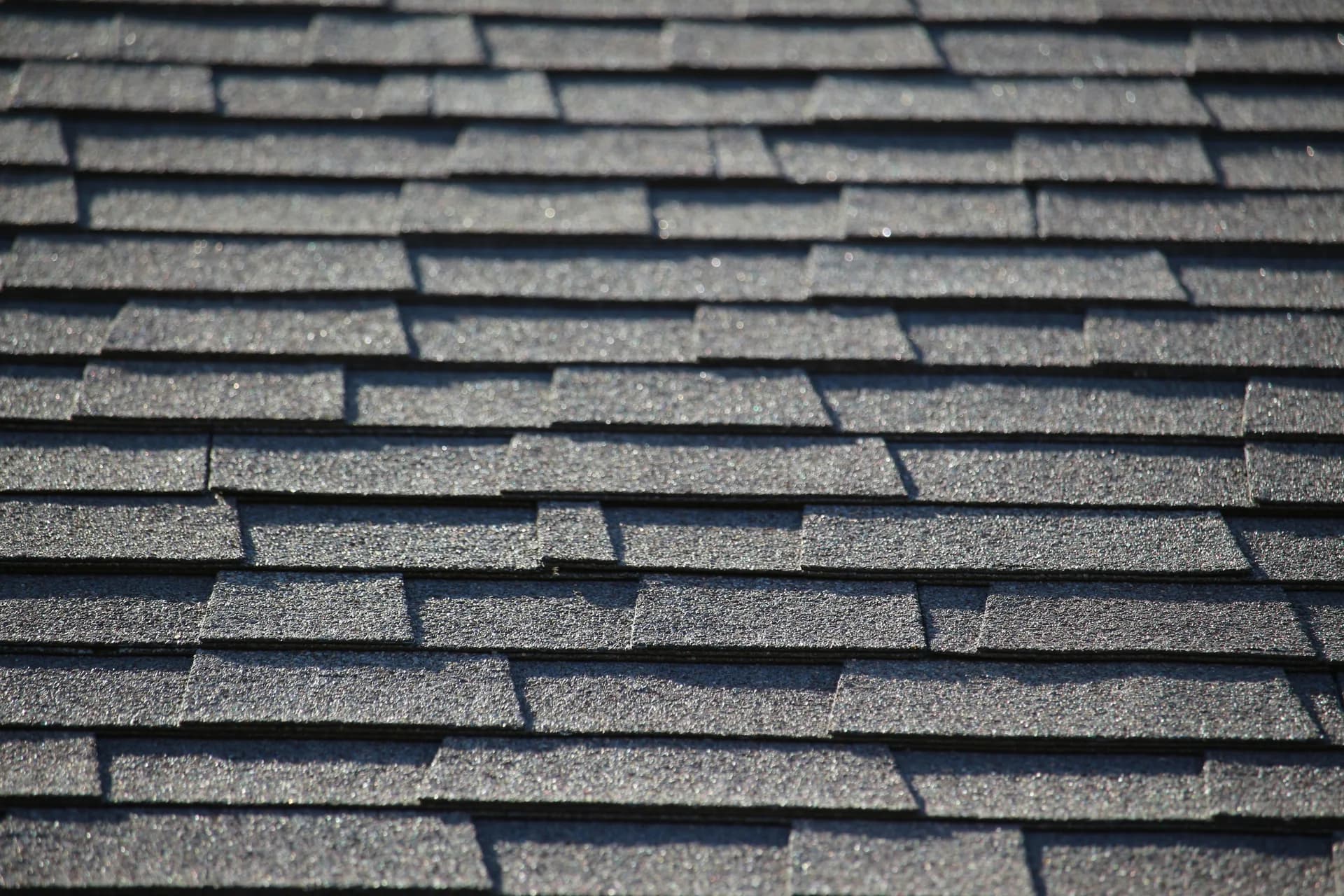
Class 4 shingles use reinforced asphalt formulations and rubberized polymer modifiers that absorb impact energy without cracking the mat. UL 2218 testing certifies Class 4 rating by dropping a 2-inch steel ball from 20 feet onto the shingle surface twice in the same spot without causing mat tears or granule loss that exposes the substrate.
Standard 3-tab and architectural shingles typically rate Class 3, meaning they pass the same test with a 1.75-inch ball. The difference sounds small, but hailstones grow exponentially in destructive force above 1.5 inches. Nebraska's May and June severe weather season regularly produces 2- to 2.5-inch hail across the Platte River valley and south-central counties.
Most Class 4 products carry 10- to 15-year hail warranties from the manufacturer, covering replacement cost if hail damage occurs within the warranty window. GAF's Timberline HDZ, CertainTeed's Northgate, and Malarkey's Legacy all offer Class 4 variants with published hail coverage, a benefit absent from standard shingle lines.
How Much Class 4 Shingles Cost in Nebraska Compared to Standard Options
Full roof replacement with Class 4 shingles in Nebraska averages $9,500–$14,000 for a typical 2,000-square-foot home with moderate pitch, compared to $7,200–$10,500 for standard architectural shingles. The material premium adds roughly $1.50–$2.50 per square foot, but insurance discounts and reduced claim frequency offset part of that upfront difference.
Homeowners in Hall, Adams, and Buffalo counties report annual premium reductions of $280–$650 after installing Class 4 roofs and submitting certification to their carriers. Over a 20-year shingle lifespan, that yields $5,600–$13,000 in savings, which narrows the net cost gap significantly.
Pitch and roof complexity affect labor more than material choice. A steep-pitch Victorian in Lincoln with multiple valleys and dormers will cost more per square regardless of shingle type. Contractors typically quote Class 4 installs with the same labor rate as standard architectural shingles since the installation process is identical.
Which Class 4 Shingle Brands Perform Best in Nebraska Hail Conditions
GAF Timberline HDZ is the most commonly installed Class 4 product in Nebraska because of its wide color range, strong contractor network, and published 15-year hail warranty. Field reports from contractors in Grand Island and Kearney show it handles repeated hail exposure well, with minimal granule loss after 2-inch strikes.
CertainTeed Northgate and Owens Corning Duration Storm also carry strong track records in the central Great Plains. Both use SBS polymer modification for flexibility under impact, and both qualify for UL 2218 Class 4 without requiring additional underlayment upgrades, which simplifies the installation.
Malarkey Legacy is less common but growing in Nebraska because of its smog-reducing granules and enhanced wind rating, useful in counties where hail and straight-line winds occur together. All four brands require installation by certified contractors to activate the hail warranty, so verify contractor credentials before signing a contract.
Do You Need Special Underlayment or Deck Prep for Class 4 Shingles
Class 4 shingles do not require upgraded underlayment to achieve their UL rating, but pairing them with synthetic underlayment adds a second layer of storm protection. Standard felt underlayment meets code in Nebraska, but synthetic products like GAF FeltBuster or CertainTeed RoofRunner resist tearing during high winds and provide better temporary weatherproofing if shingles blow off during a storm.
Deck preparation follows the same process as any asphalt shingle install: inspect sheathing for rot or delamination, replace damaged panels, and verify proper nail penetration depth. Class 4 shingles weigh slightly more than standard products, typically 240–260 pounds per square compared to 210–230 for basic architecturals, but this does not require structural reinforcement on homes built to Nebraska code after 1990.
Ice and water shield application along eaves and valleys is standard practice statewide. Most contractors extend coverage 3–6 feet up from the eave line to prevent ice dam infiltration during winter freeze-thaw cycles, a pattern common in northern and central Nebraska counties.
How to Verify Your Contractor Can Install Class 4 Shingles Correctly
Manufacturer certification is the primary credential to verify. GAF Master Elite, CertainTeed SELECT ShingleMaster, and Owens Corning Platinum Preferred contractors have completed factory training on proper installation techniques and carry higher warranty backing. Ask for the certification number and verify it directly with the manufacturer before signing a contract.
Nebraska does not require state-level roofing contractor licensing, so municipal permits and local business registration become the regulatory checkpoints. Request proof of a valid business license in the city where the work occurs, and confirm the contractor pulls permits through the local building department rather than asking you to handle it.
Hail-specific references matter more than general roofing portfolios. Ask for addresses of three Class 4 installs completed in the last 18 months within 50 miles of your home, and drive by to inspect the work. Look for clean flashing details, straight shingle lines, and uniform granule coverage. Contractors experienced in hail-prone markets take extra care with penetration sealing and valley reinforcement because they know the roof will face impact stress.
What Insurance Discounts Apply to Class 4 Roofs in Nebraska
Most Nebraska carriers offer 20–35% premium reductions on the dwelling coverage portion of homeowners policies when Class 4 shingles are installed and verified. State Farm, Farmers, and Auto-Owners all publish discount schedules, though the exact percentage varies by county hail risk and individual underwriting.
You must submit installation documentation to activate the discount. This includes the contractor's certification of materials used, the manufacturer's product specification sheet showing UL 2218 Class 4 rating, and the final building permit signoff. Some carriers require a roof inspection photo before applying the discount.
The discount applies only to the dwelling coverage, not to liability or personal property portions of the policy. On a $250,000 home with $200,000 in dwelling coverage and an annual premium of $1,400, a 25% discount on the dwelling portion saves approximately $280–$320 per year. Contact your agent before starting the project to confirm eligibility and documentation requirements specific to your carrier.