What Makes Class 4 Shingles Different From Standard Asphalt
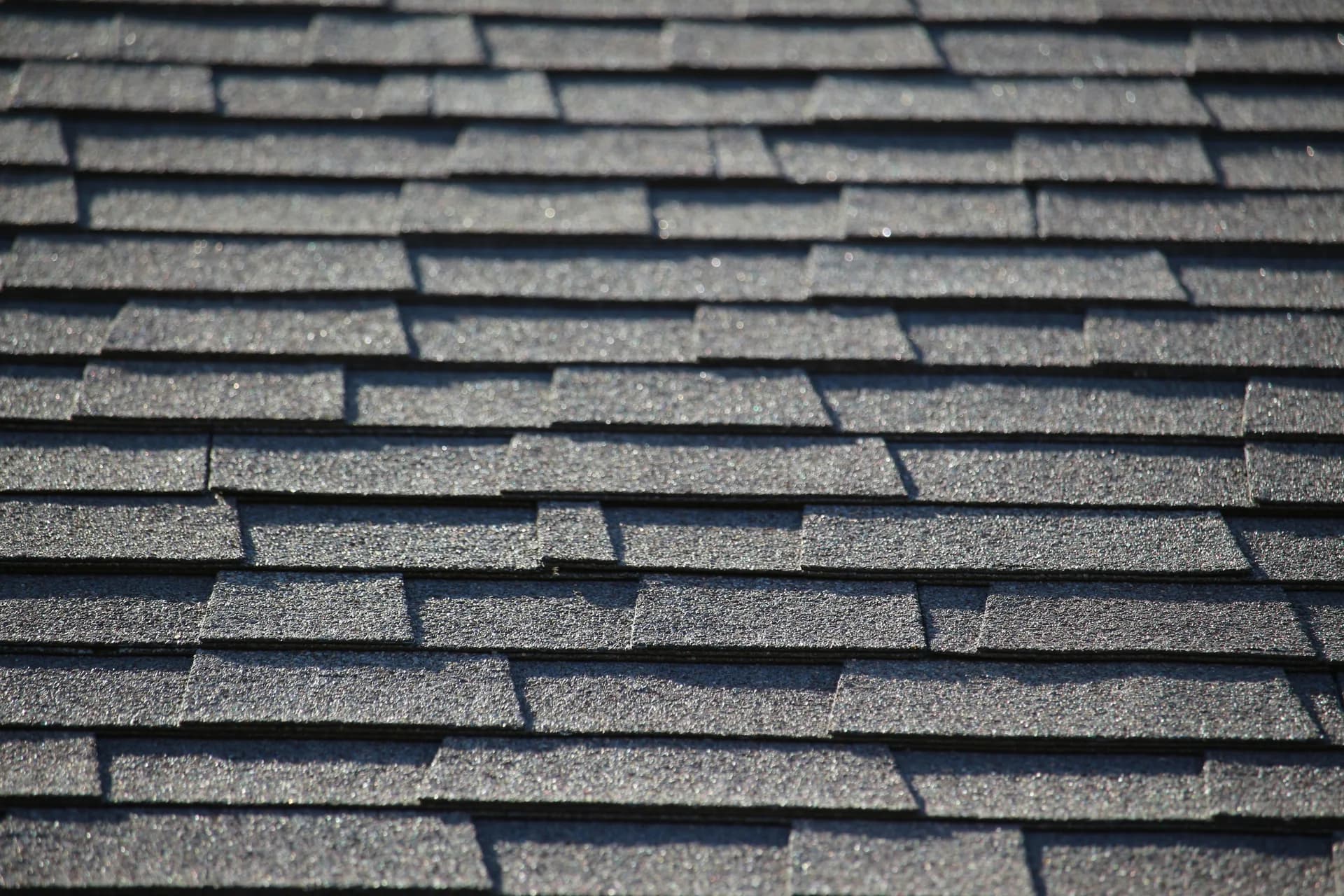
Class 4 shingles contain a reinforced rubberized asphalt mat or polymer-modified asphalt core that absorbs impact energy without cracking or dislodging granules. The UL 2218 test standard drops a 2-inch steel ball from 20 feet onto the shingle surface twice in the same spot — Class 4 shingles show no tears or splits after both impacts, while standard Class 3 shingles may crack on the second strike.
GAF Timberline HDZ with LayerLock technology, CertainTeed Integrity Roof System shingles, and Owens Corning Duration Storm shingles all carry Class 4 ratings using different reinforcement strategies. GAF uses a polymer-modified asphalt formulation, CertainTeed embeds a woven reinforcement layer, and Owens Corning adds SureNail technology with a fabric strip for impact dispersion.
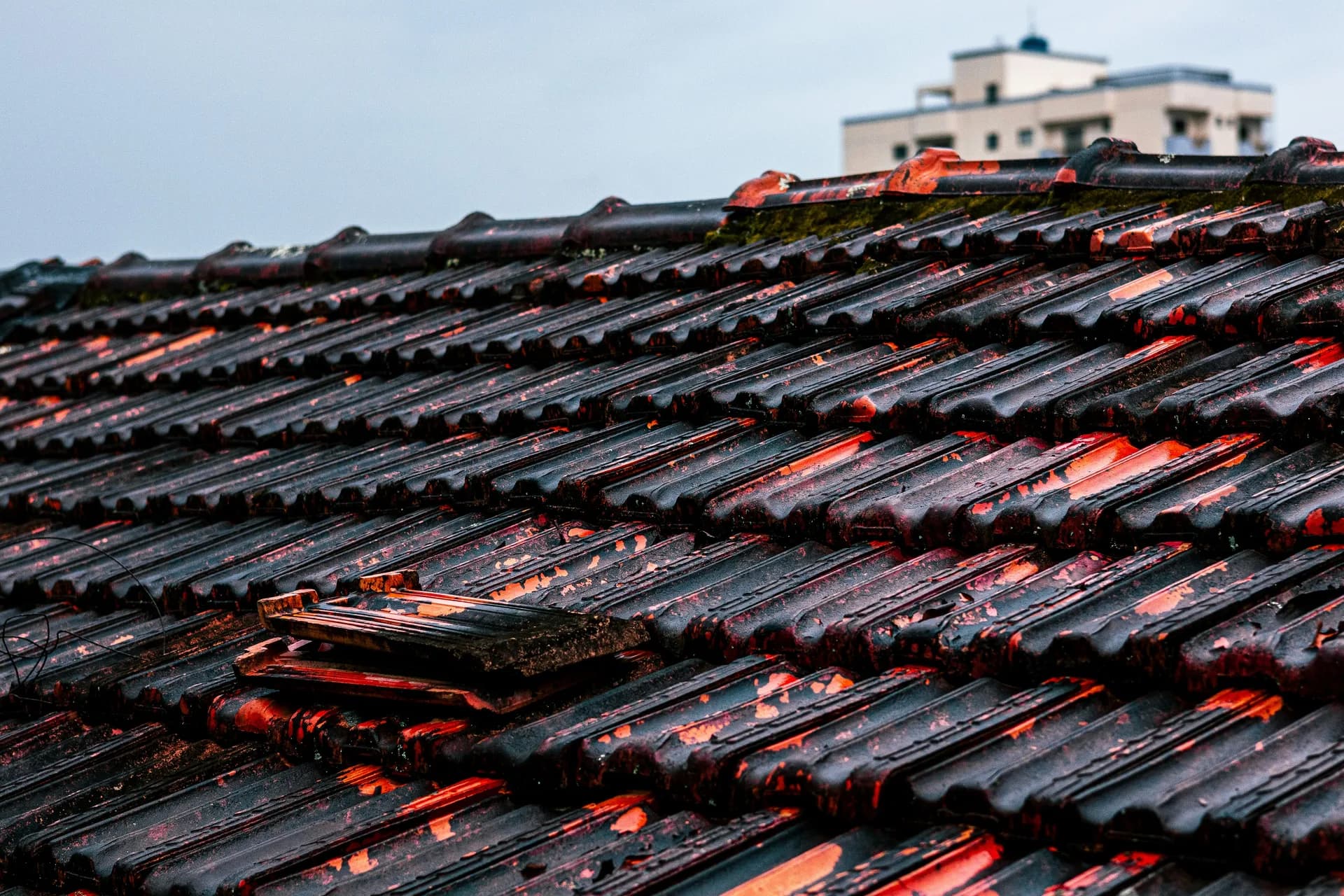
The difference shows up in real hail events. A 1.75-inch hailstone traveling at terminal velocity generates enough force to fracture standard shingles on first impact, exposing the mat and allowing water intrusion. Class 4 shingles deflect the same impact without surface breach, keeping the seal intact and preventing the cascade of secondary damage that drives replacement costs.
How Much Class 4 Shingles Add to Roof Replacement Cost in Indiana
Class 4 shingles cost $150–$250 more per square than comparable standard architectural shingles in Indiana markets, translating to $2,100–$3,500 added material cost on a typical 1,400-square-foot roof. Total installed cost for Class 4 replacement runs $9,500–$16,000 depending on roof pitch, complexity, and contractor labor rates in your county.
Hamilton County contractors quote Class 4 installs at $650–$750 per square for tear-off and replacement, while Allen County rates run $600–$700 per square and rural counties like Jasper or LaGrange often see $550–$650 per square. Indianapolis metro pricing sits at $675–$800 per square for similar scope.
Insurance premium discounts offset the upfront cost over 8–12 years in most cases. Indiana carriers including State Farm, Indiana Farm Bureau, and Cincinnati Insurance offer 20–35% wind and hail premium reductions for Class 4 roofs, averaging $350–$600 annual savings on a $200,000 dwelling policy. A homeowner paying $1,200 annually for homeowners insurance saves roughly $300 per year with the discount, recovering the $3,000 material premium in 10 years while gaining superior hail protection.
Which Indiana Counties See Enough Hail to Justify Class 4 Shingles
Marion, Hamilton, Hendricks, Allen, Tippecanoe, and Delaware counties average 3–5 significant hail events per year with stones exceeding 1 inch in diameter, according to NOAA Storm Events Database records from 2015–2023. These counties sit in Indiana's primary hail belt, where warm Gulf air collides with cooler Great Lakes air masses between April and July.
Hamilton County logged 14 hail events producing 1.5-inch or larger stones in 2023 alone, concentrated in Carmel, Fishers, and Noblesville. Marion County sees similar frequency, with the Indianapolis metro corridor averaging two damaging hail days per season. Northern counties including Allen and Kosciusko see slightly lower frequency but higher intensity — 2-inch hail reported in Fort Wayne during June 2022 and June 2021 storms.
Rural counties south of Interstate 70, including Monroe, Brown, and Jackson, see fewer hail days annually but still average 1–2 events capable of damaging standard shingles. The marginal case for Class 4 shingles weakens in these zones unless you plan to keep the roof for 20+ years or your insurer offers aggressive premium discounts regardless of claim history.
How to Verify a Contractor Actually Installs Class 4 Shingles Correctly
Request the manufacturer's certification label or packaging wrapper from every bundle installed, photographed before installation begins. Each GAF, CertainTeed, or Owens Corning Class 4 shingle bundle carries a UL 2218 Class 4 mark printed directly on the wrapper — no wrapper documentation means you cannot verify what's on your roof.
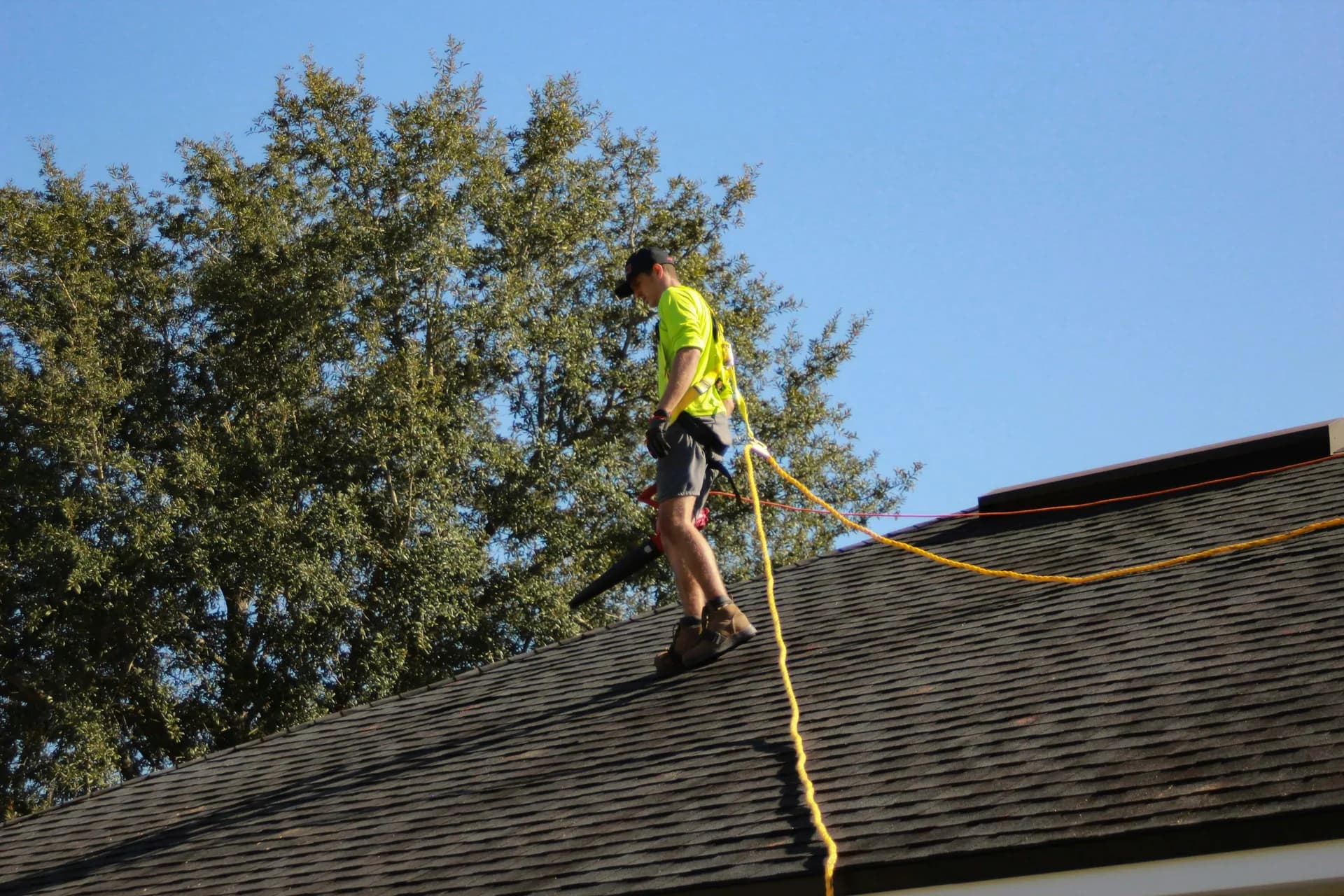
Ask the contractor for their manufacturer certification status before signing a contract. GAF Master Elite contractors and CertainTeed SELECT ShingleMaster contractors complete annual training on impact-resistant installation requirements, including proper nail placement, starter strip selection, and ridge cap sealing that preserves the Class 4 rating. A contractor without manufacturer certification can still install Class 4 shingles correctly, but certification confirms they've been trained on the specific product.
Inspect the invoice and material delivery receipt for exact product names. "Architectural shingles" is not sufficient documentation — the invoice must list "GAF Timberline HDZ" or "Owens Corning Duration Storm" by name. When the project finishes, request a signed certification letter from the contractor stating the roof was installed with Class 4 shingles per manufacturer specifications. Your insurance carrier needs this document to process the premium discount.
What Insurance Discount You Actually Get With Class 4 Shingles in Indiana
Indiana Farm Bureau offers 25% premium reduction on wind and hail coverage for Class 4 roofs, applied to the dwelling portion of your policy. On a $250,000 home with $1,400 annual premium, the discount saves roughly $350 per year, verified through their published underwriting guidelines as of 2024.
State Farm's discount varies by underwriting territory but typically runs 20–30% in central Indiana counties with documented hail frequency. Cincinnati Insurance and Auto-Owners Insurance both offer similar ranges, though Auto-Owners requires a roof inspection and certification before applying the discount. Some carriers cap the discount duration at 10 years from installation, after which you must re-certify the roof condition to maintain the reduced rate.
Request a written premium quote showing the Class 4 discount before starting your replacement project. Carriers calculate discounts differently — some apply the percentage to total premium, others only to wind/hail coverage, and a few tier the discount based on your claims history. The difference between a 20% total premium discount and a 30% wind/hail-only discount can be $200 annually, enough to shift the break-even timeline by three years.
How Long Class 4 Shingles Last in Indiana Weather Cycles
Manufacturer warranties on Class 4 shingles run 30–50 years for material defects, but realistic service life in Indiana's freeze-thaw cycles is 22–28 years before granule loss and seal failure require replacement. Standard architectural shingles last 18–22 years in the same conditions, giving Class 4 products a 4–6 year longevity advantage.
Indiana's temperature swings stress all asphalt shingles. A roof in Bloomington or Evansville sees 40–60 freeze-thaw cycles per winter, each cycle expanding and contracting the shingle mat and accelerating adhesive breakdown. Class 4 shingles use modified asphalt with better low-temperature flexibility, reducing microcracking that leads to granule loss. The impact-resistant core also resists the thermal shock of sudden summer hailstorms, where 90-degree surface temperatures drop to 60 degrees in minutes when ice falls.
The practical difference shows up at the 15-year mark. A standard shingle roof in Hamilton County typically needs its first significant repair around year 14–16, often valley flashing replacement or ridge cap resealing. Class 4 roofs routinely reach year 18–20 before similar work is required, and they're more likely to reach year 25 without full replacement if maintained properly.